Group exhibitions, projects; Partnership projects
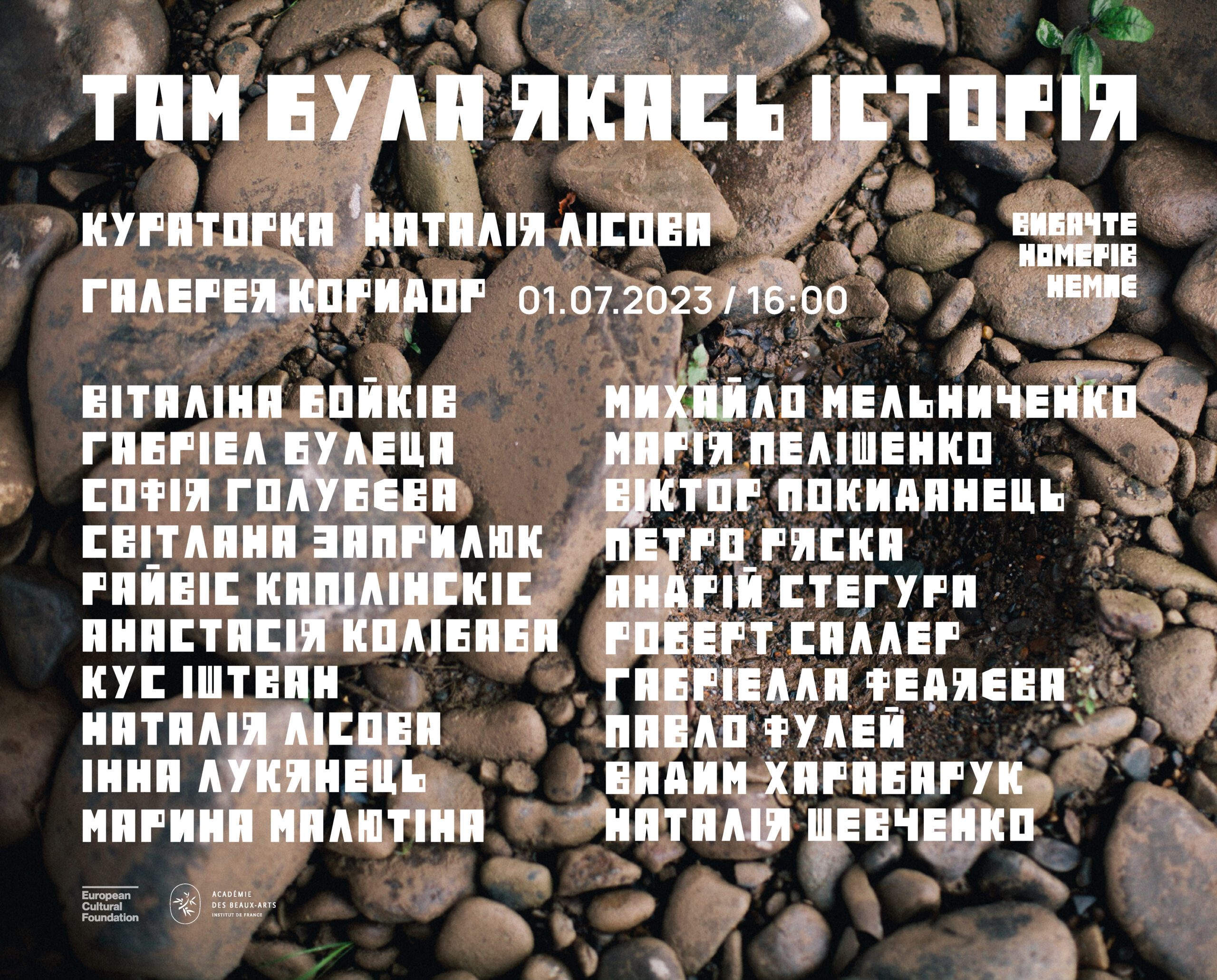
Group exhibition – There was a story
Residence Sorry No Rooms Available
Korydor Gallery, July 1, 2023 – January 30, 2024
Curator Natalia Lisova
Participants: Vitalina Boykiv, Habriel Buletsa, Sofia Holubeva, Svitlana Zaprylyuk, Raivis Kapilinskis, Anastasia Kolibaba, Kus Istvan, Nataliya Lisova, Inna Lukyanets, Marina Malyutina, Mykhailo Melnychenko, Maria Pelishenko, Viktor Pokydanets, Petro Ryaska, Andriy Stehura, Robert Saller, Habriella Fedyaieva, Pavlo Fuley, Vadym Kharabaruk, Natalia Shevchenko
Sorry No Rooms Available residence presents in the Korydor gallery works of the collective project “artistic activities in the environment: LENDART EXERCISES”, curated by Nataliya Lisova. Artistic actions took place every Saturday continuously from May 27 to June 24, 2023 at predetermined locations, namely: on the banks of the Quarry reservoir, on the shore of Lake Tsegelne, in Bozdos Park, on the Botanical Embankment and on the Independence Embankment of the Uzh River
Text by Natalia Lisova:
Form is nothing but emptiness,
Emptiness is nothing but form.
Everything visible is empty.
The Heart of Irresistible Wisdom Sutra, beginning 3rd century
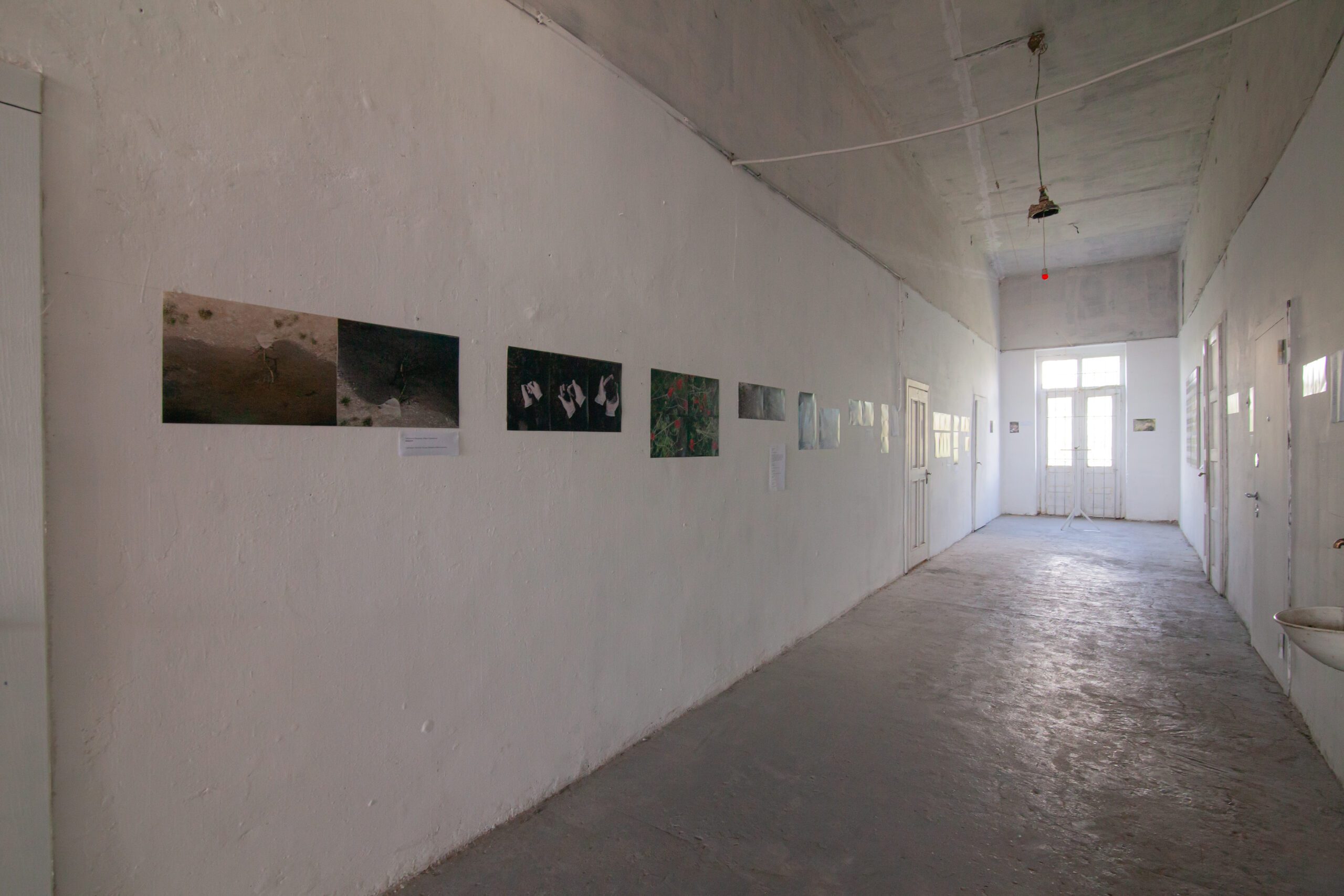
In Eastern wisdom, emptiness is perceived in a positive sense as a space that can be filled, a place to add something, while a filled form makes this process impossible and is complete in its development. The study of local territories by the participants of the exhibition by observing, identifying and emphasizing the special features of the local landscape, trying to feel its context, history, finding harmony in the process of artistic actions in the environment, revealing its potential, is an attempt to find and fill the empty places of picturesque corners of Uzhgorod with their own creative interaction with him. At the same time, the demonstration of artistic creations in the space of the Corridor gallery as a way of showing documentation is a forced condition because works of land art can exist only temporarily and are inseparable from their place of realization. In this way, the space of the gallery is actually not filled with proper Landart objects and remains free, just like the places of artistic actions, empty.
The Landart art movement originated in the United States in the late 60s of the 20th century. as a reaction of artists to environmental problems, as a protest against the consumerist society and the commercialization of art, and translated from English means “art of the earth”, creativity outside the gallery space opened a new field of activity for artists – nature. The idea of the movement was to leave the galleries and go out into the open space. Landart artists usually use natural materials: stones, trees, greenery, water in combination with artificial materials. This prevents land art from becoming part of the market system and turning into an aesthetic commodity, so in museums and galleries, land art can be seen through photo and video documentation.
Subsequently, in the 1990s, landart gave rise to a new language of creative interaction with nature in the territories of Ukraine. Domestic artists of environmental art consider the landscape as a means of self-identification and draw attention to the historical cultural space and reflect the deep-rooted mythic connections between cultural identity and natural processes. According to the artist Petr Bevza, “Ukrainian land art is characterized by “interweaving” and “adjustment”, which involves “minimum involvement of the environment as a means of activating human consciousness in the fight against the “prevailing cult of consumption (…)”, therefore Ukrainian artists define environmental art as “ the art of creating artistic images in the environment with the help of natural means, with the aim of identifying the environment as a source of eternally existing themes and ideas (…)”. Ukrainian artistic practice is aimed at removing man’s alienation from nature, realizing himself as a part of the common natural space, man’s continuous connection with the earth, the cosmos, which is the main feature of the Ukrainian mentality – love for the nature of the native land.
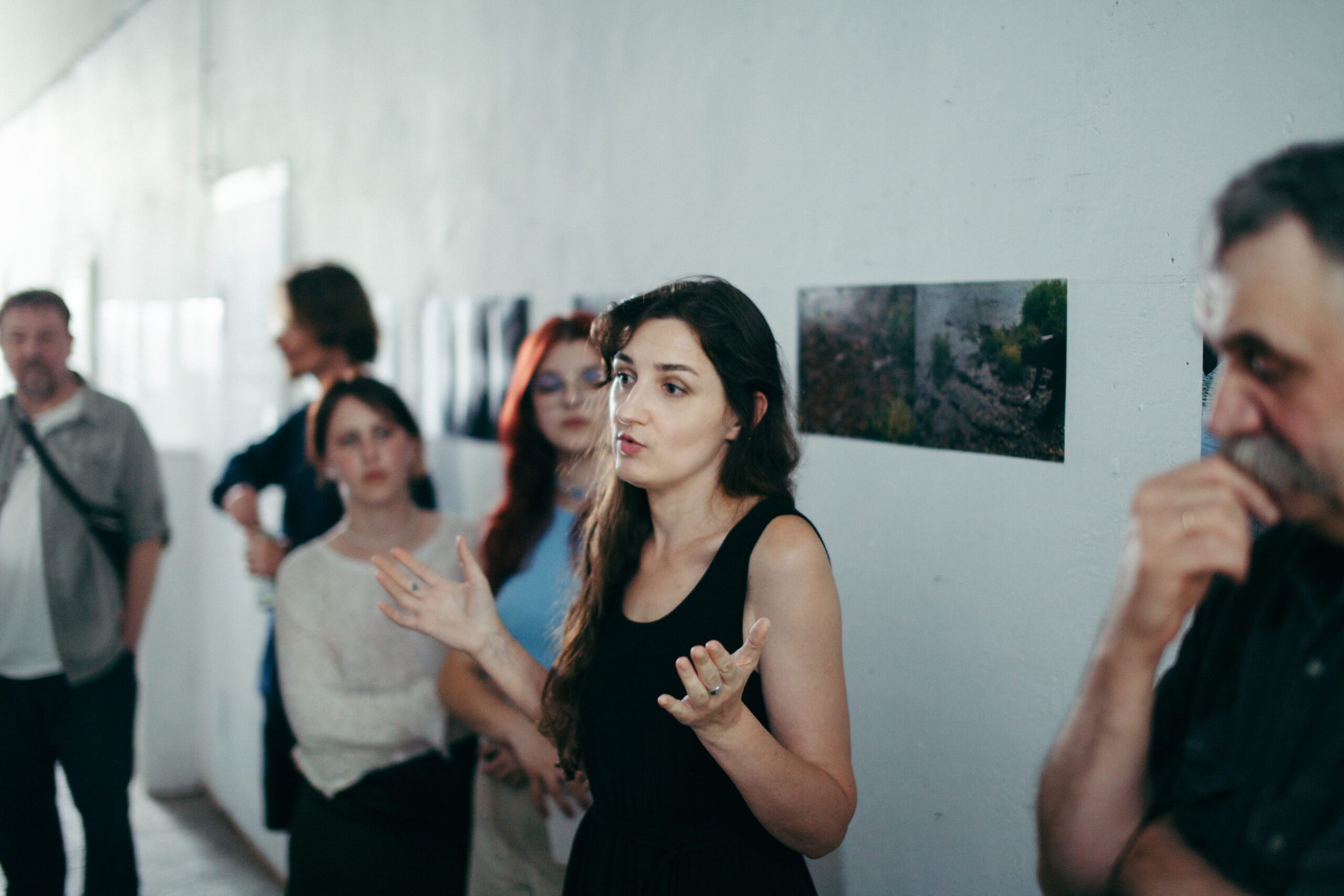
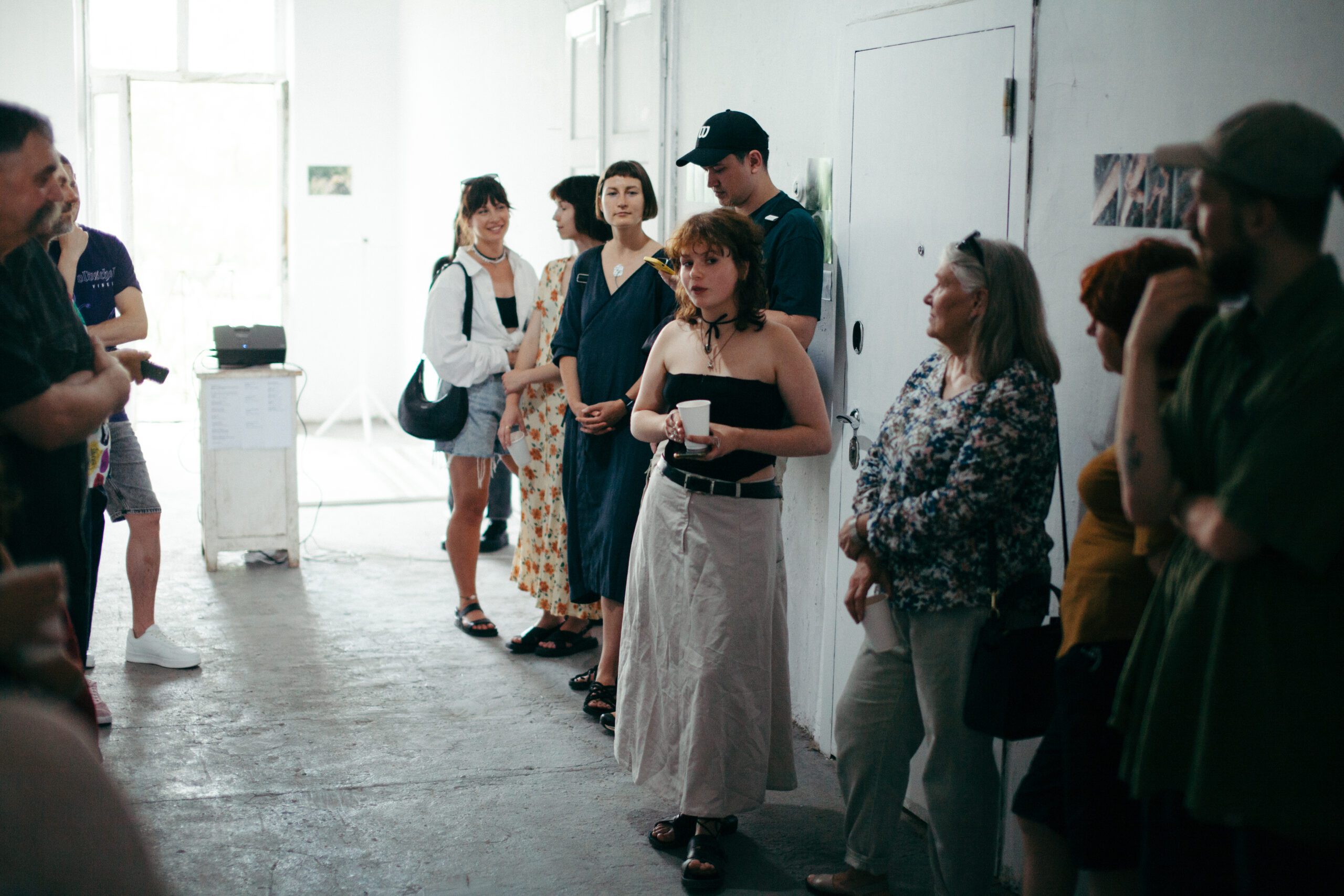
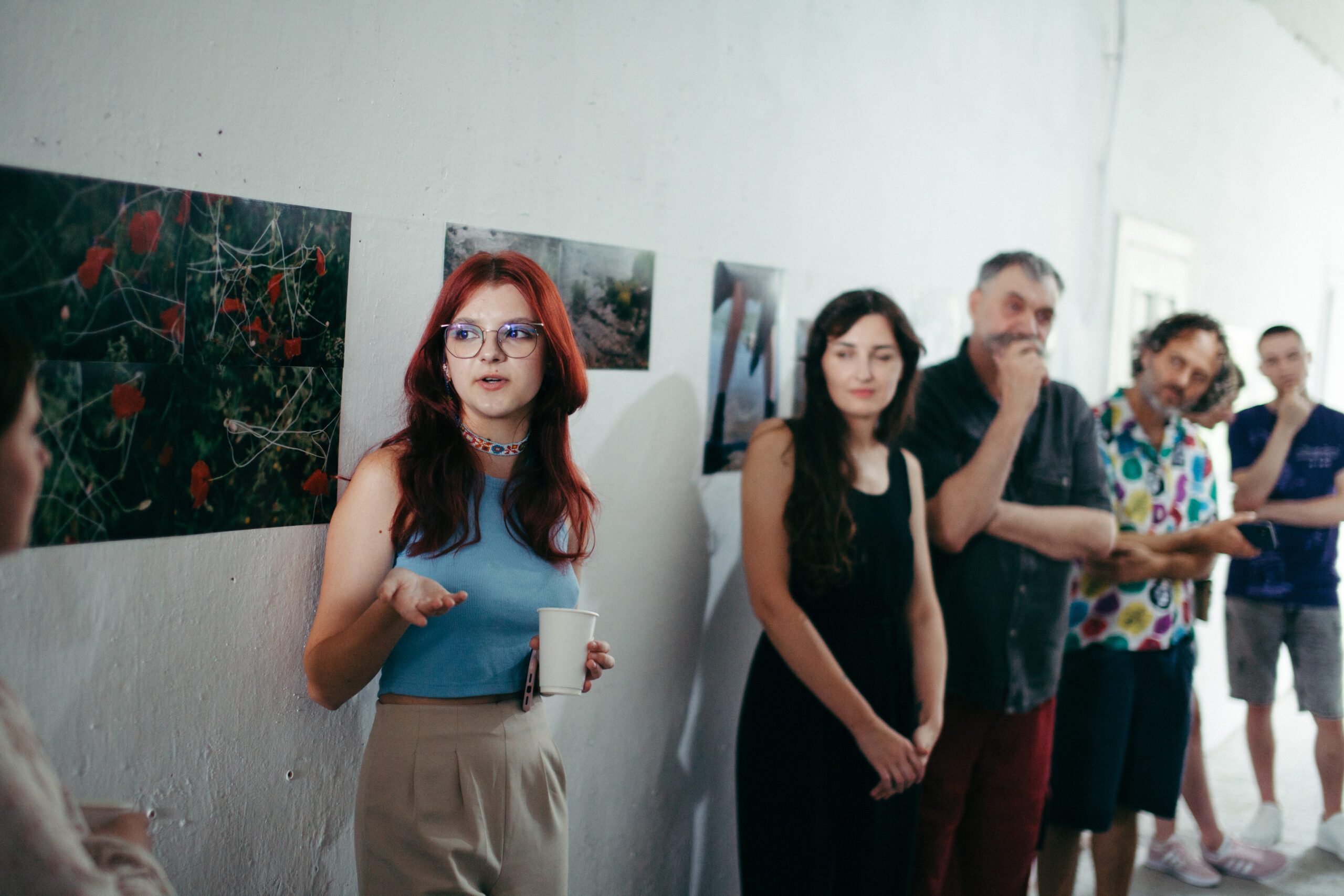
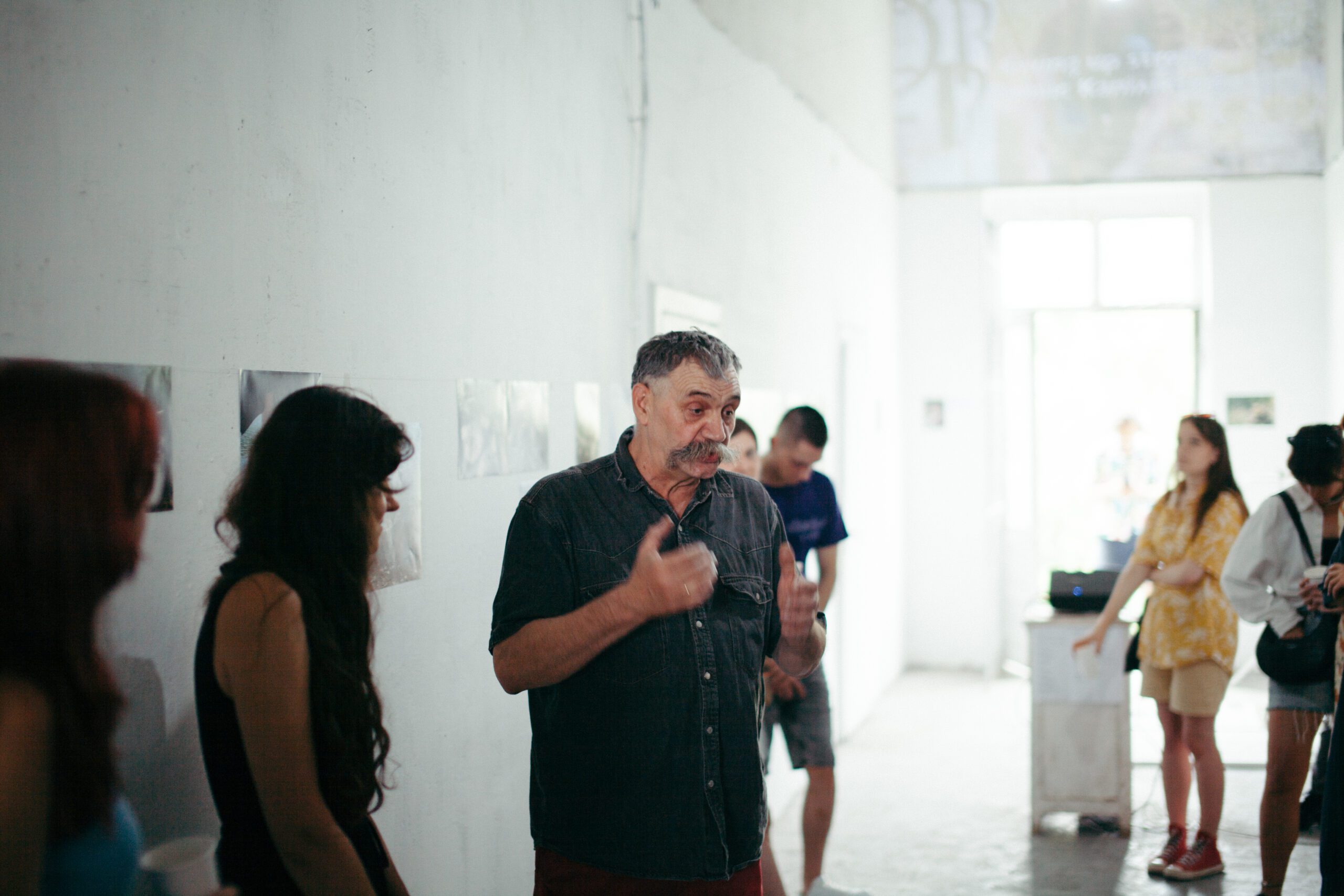
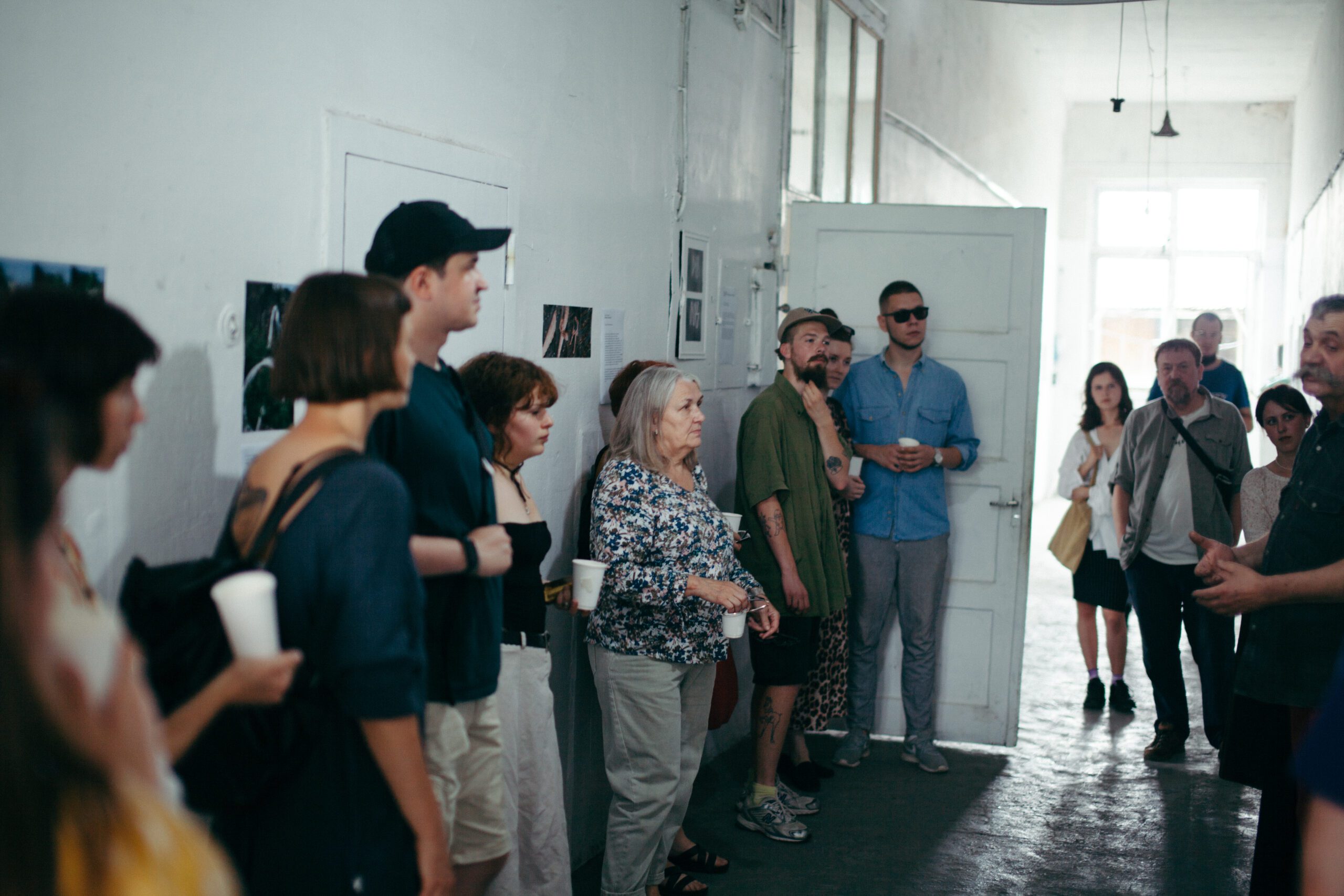
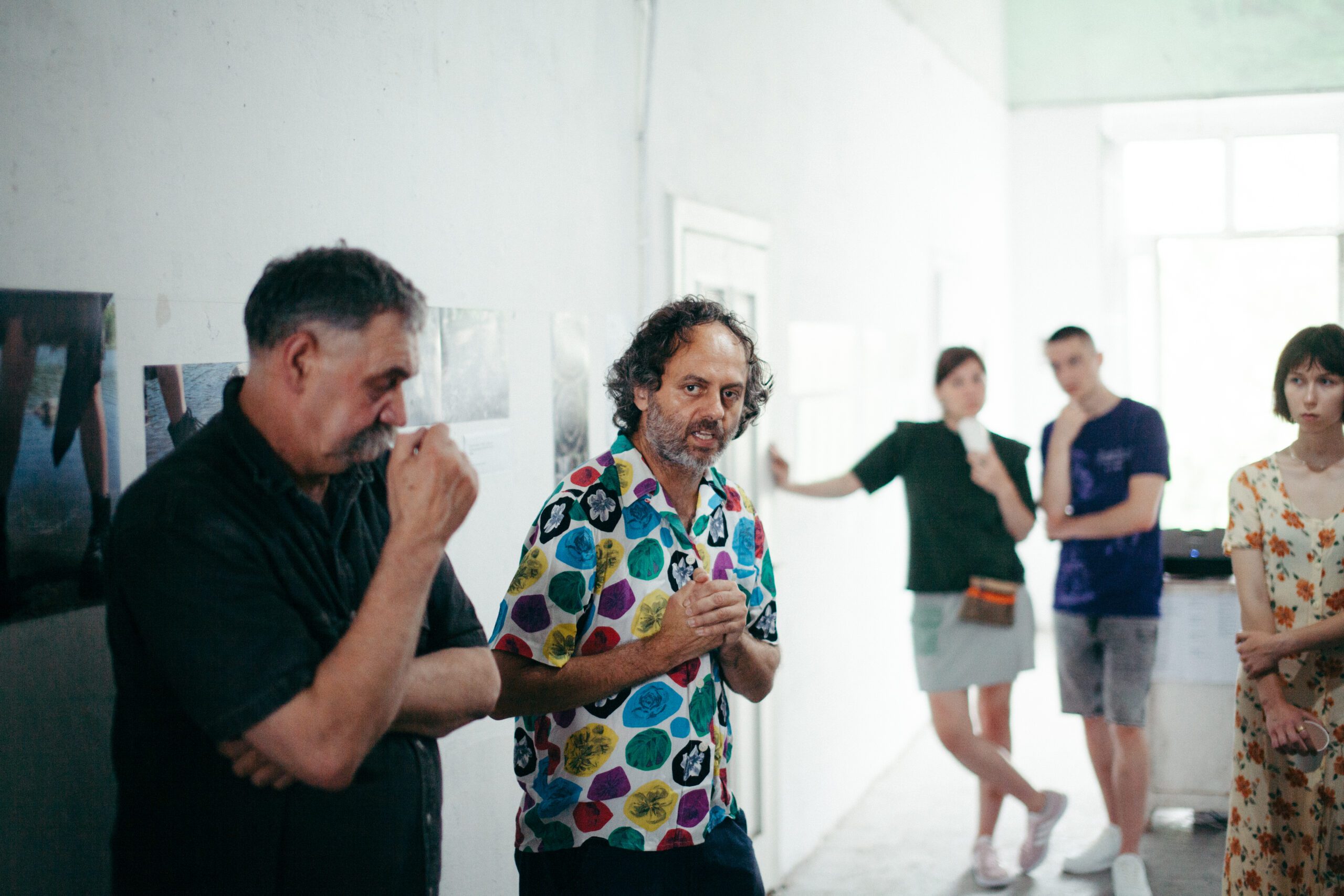
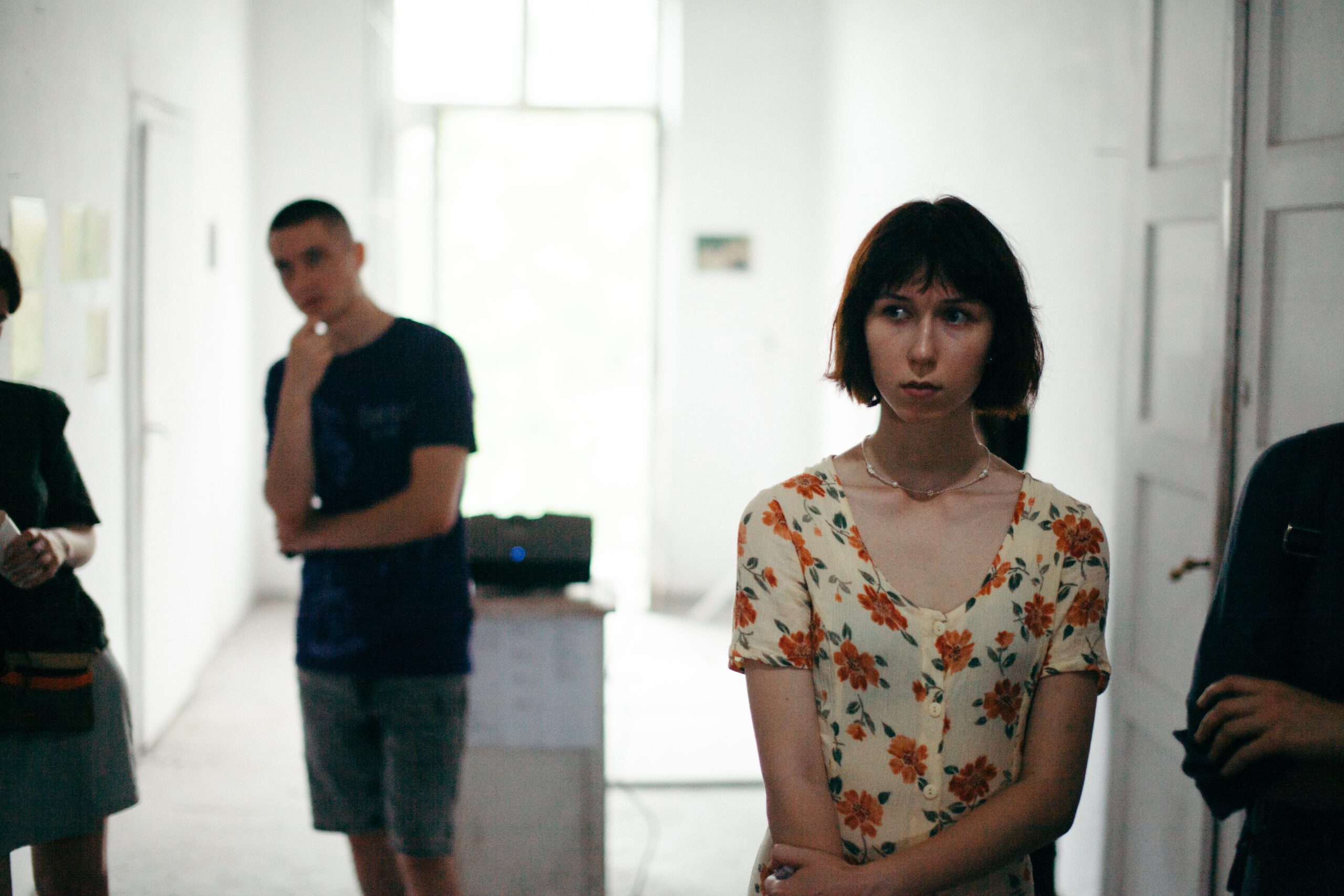
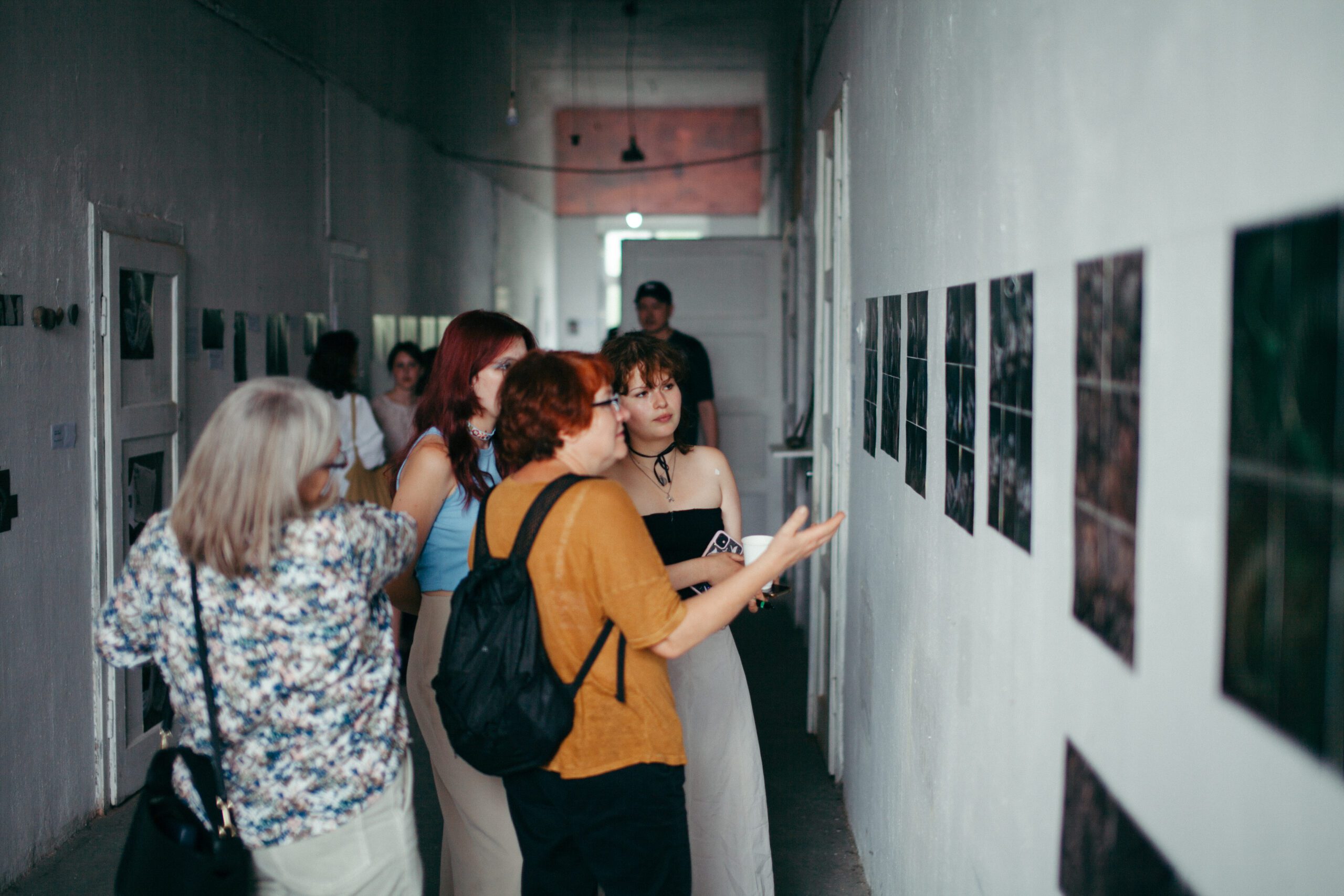
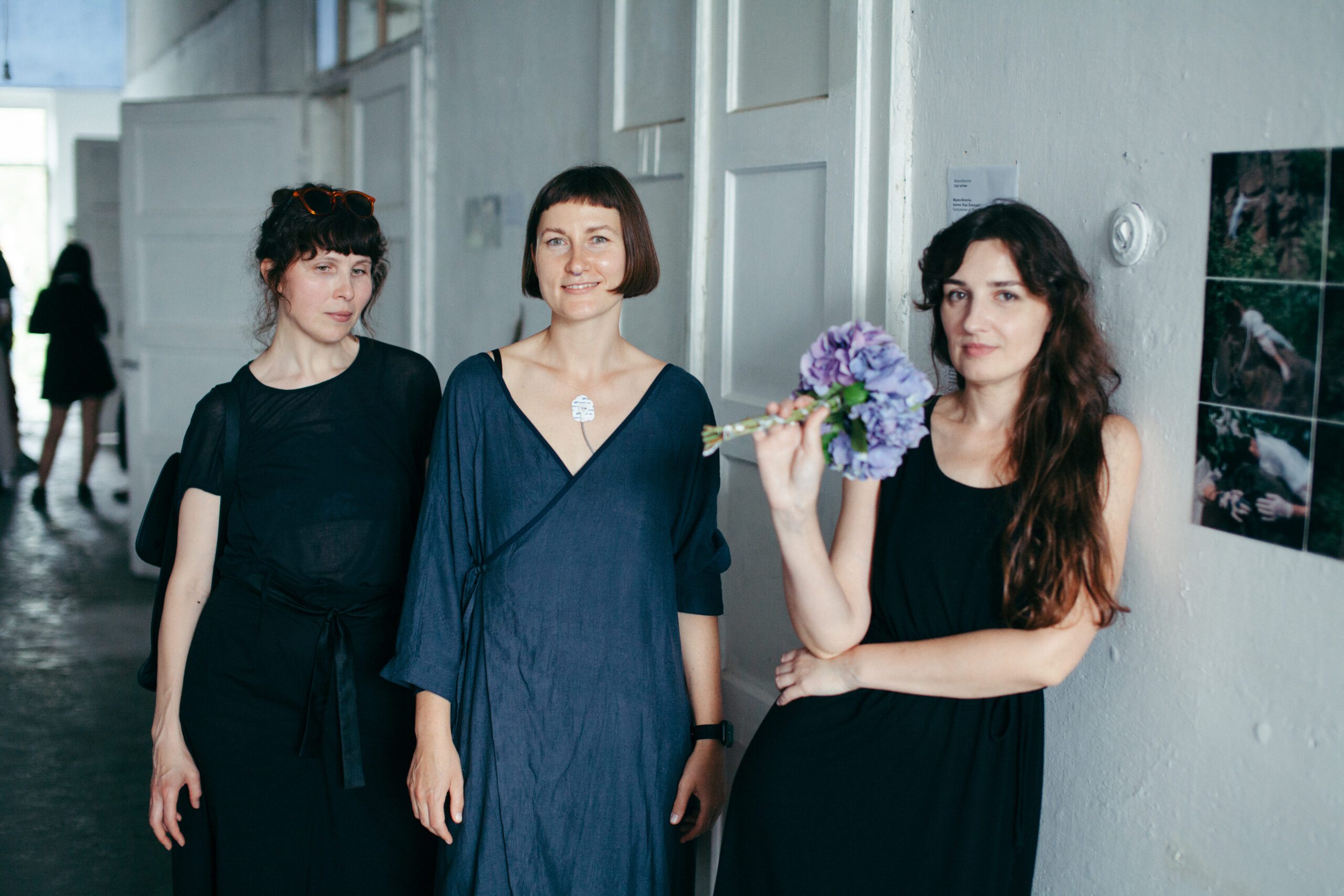
View of the exhibition
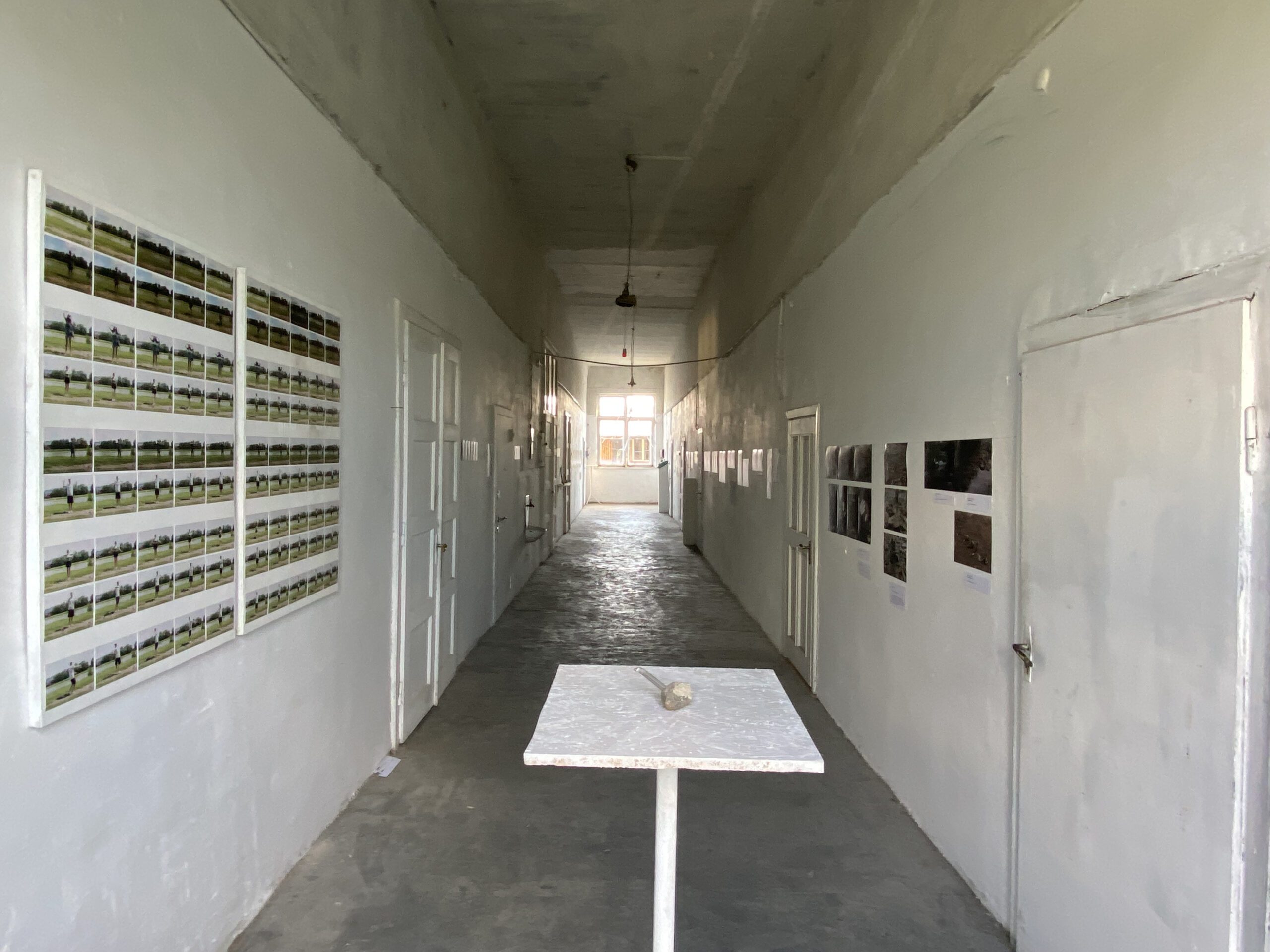
View of the exhibition:
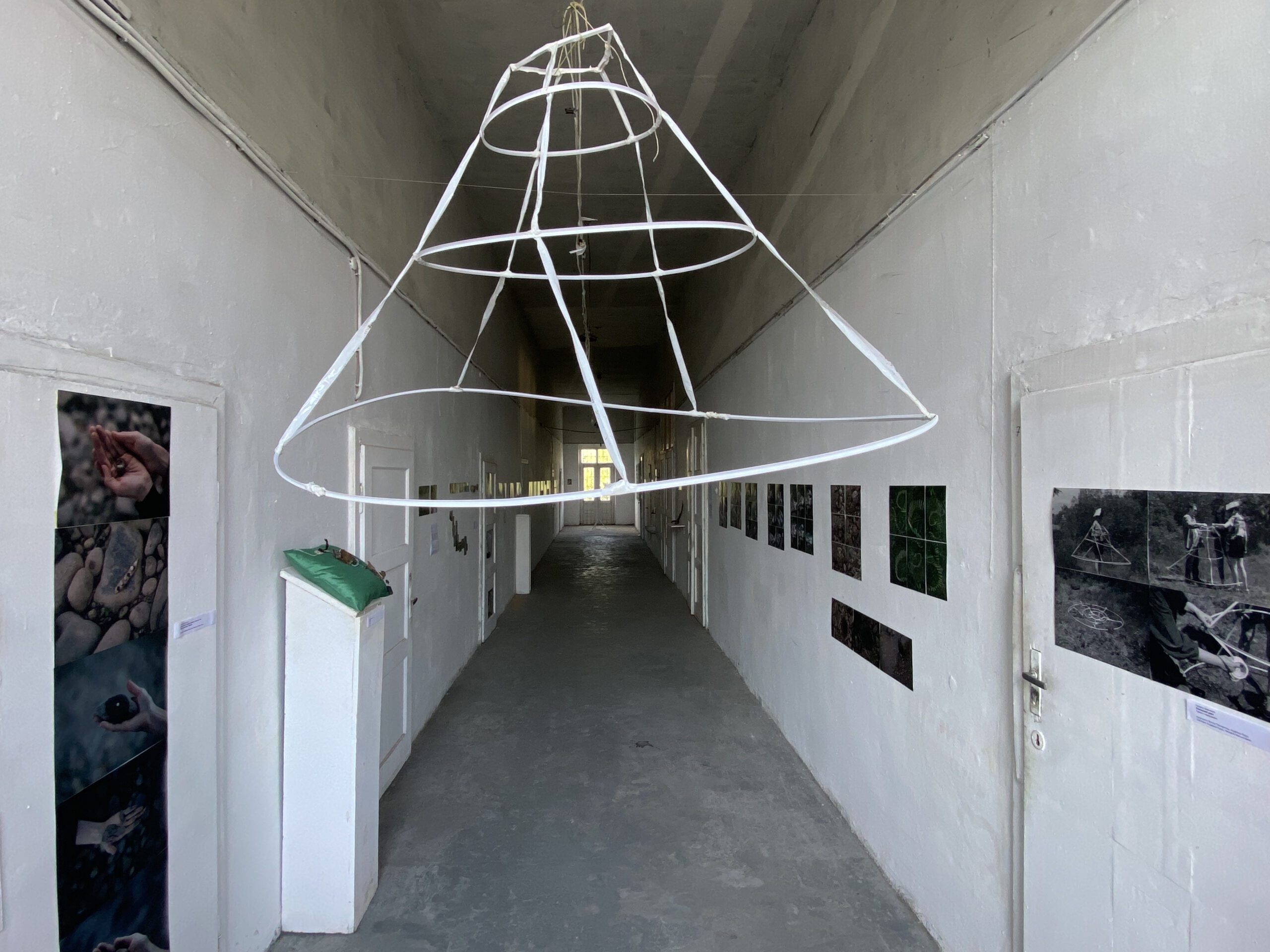
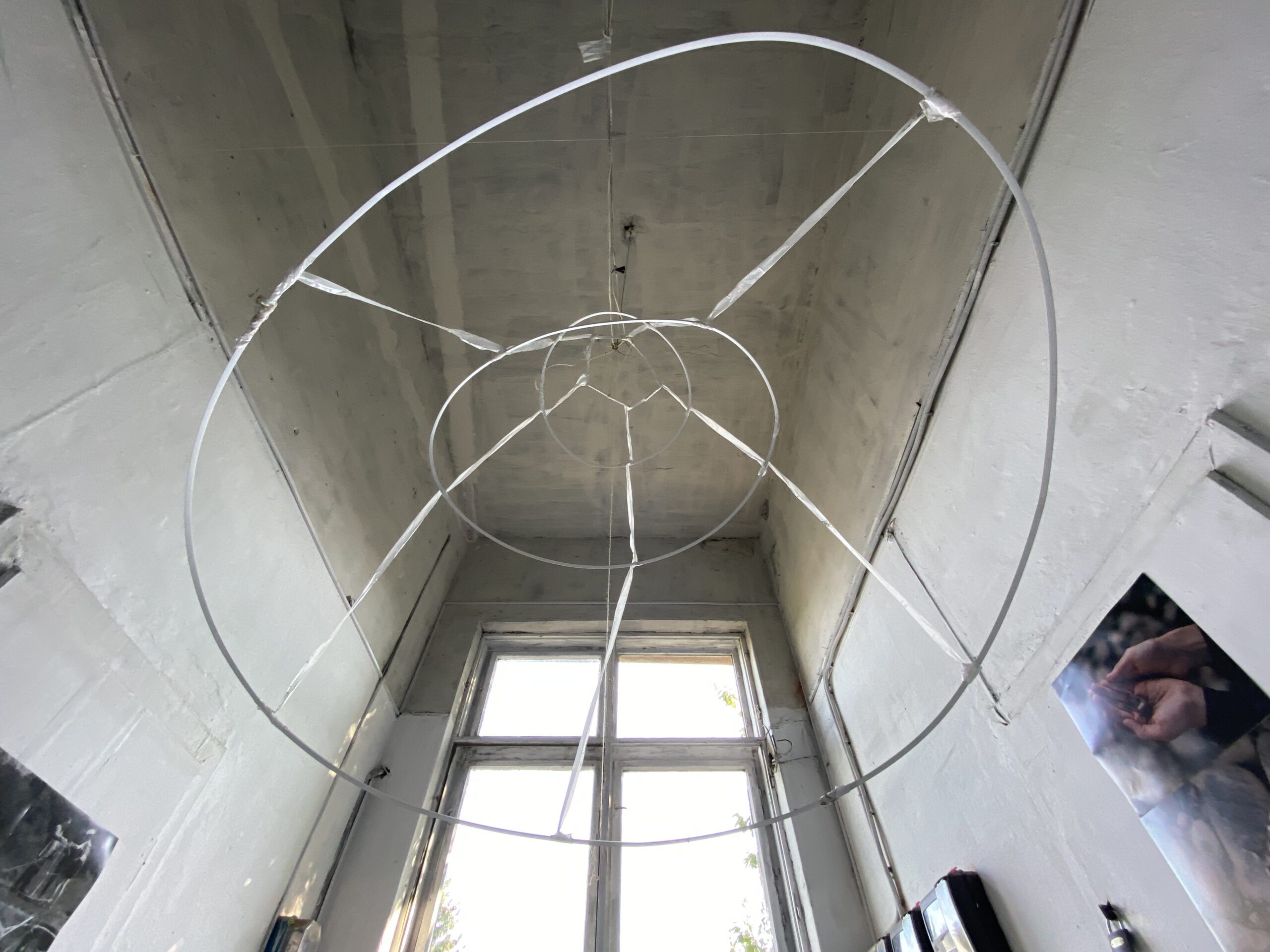
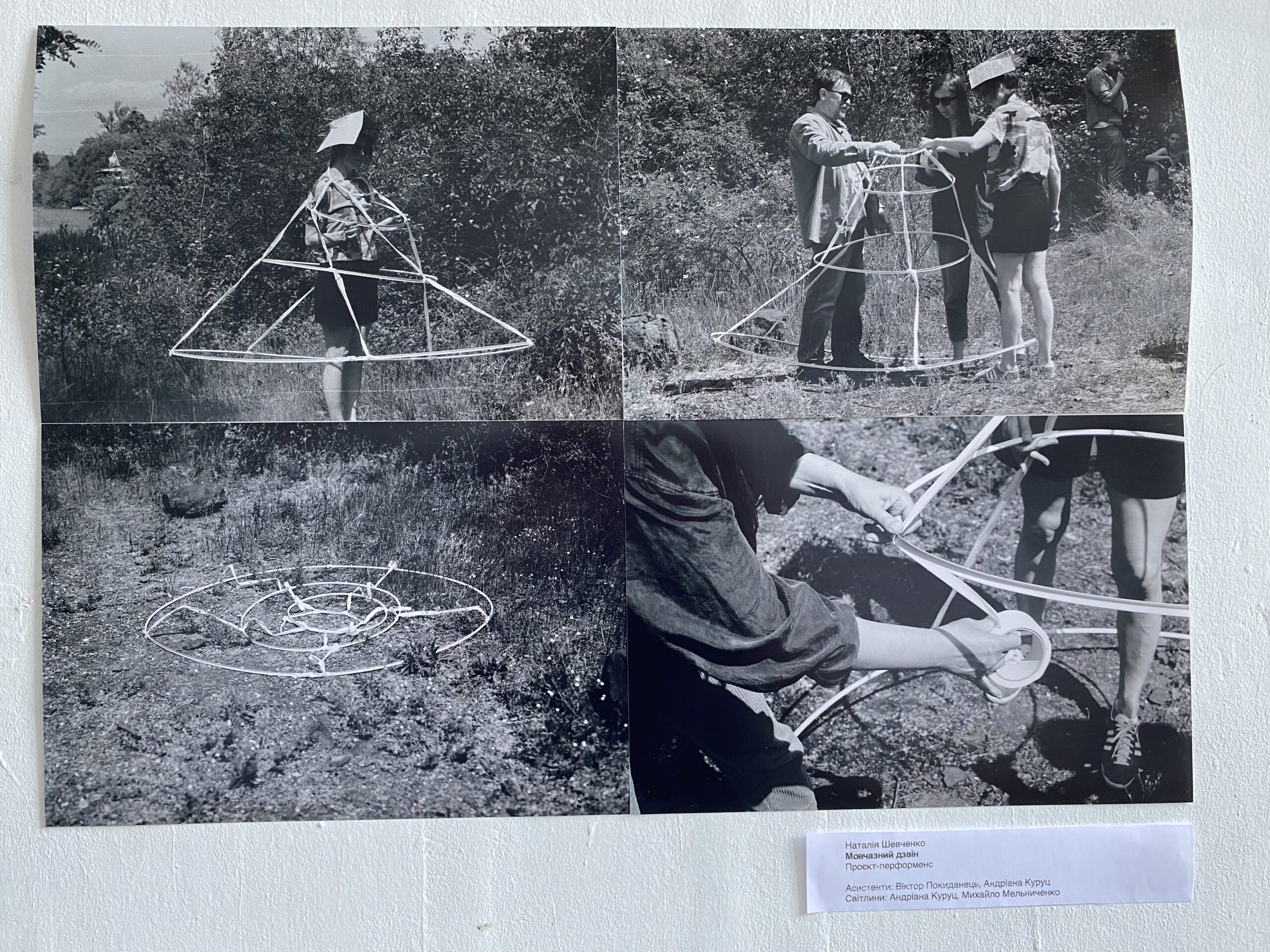
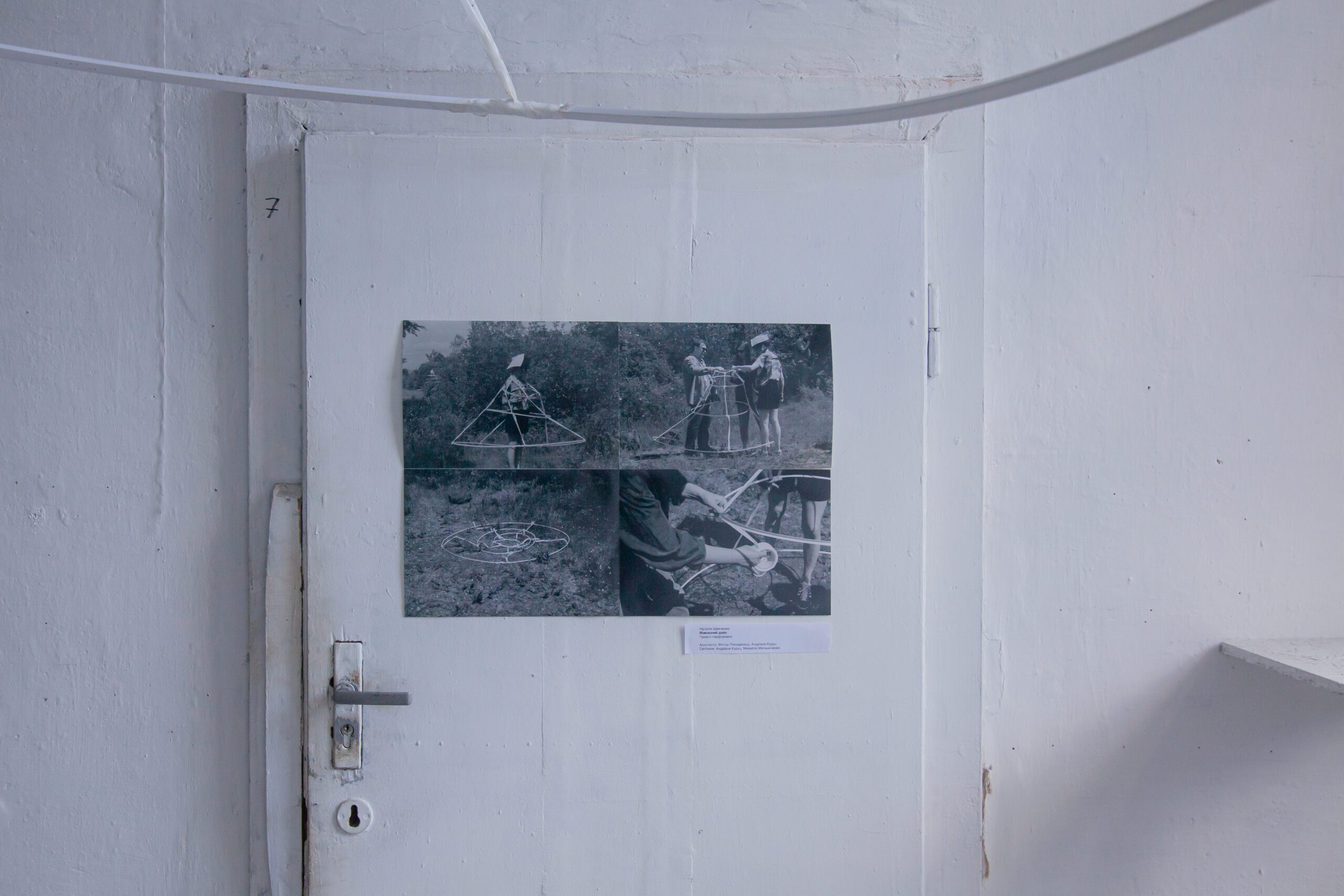
Natalia Shevchenko
Silent bell
Performance project
Assistants: Viktor Pokidanets, Andriana Kuruts
Credit of photos exhibited at the exhibition: Andriana Kuruts, Mykhailo Melnychenko
Exhibition documentation:
photo credit: photos 1-3 – Petro Ryaska; photo 4 – Mykhailo Melnychenko
View of the exhibition:
Natalia Shevchenko
Amulet
Object
Exhibition documentation:
Photo credit: Mykhailo Melnychenko
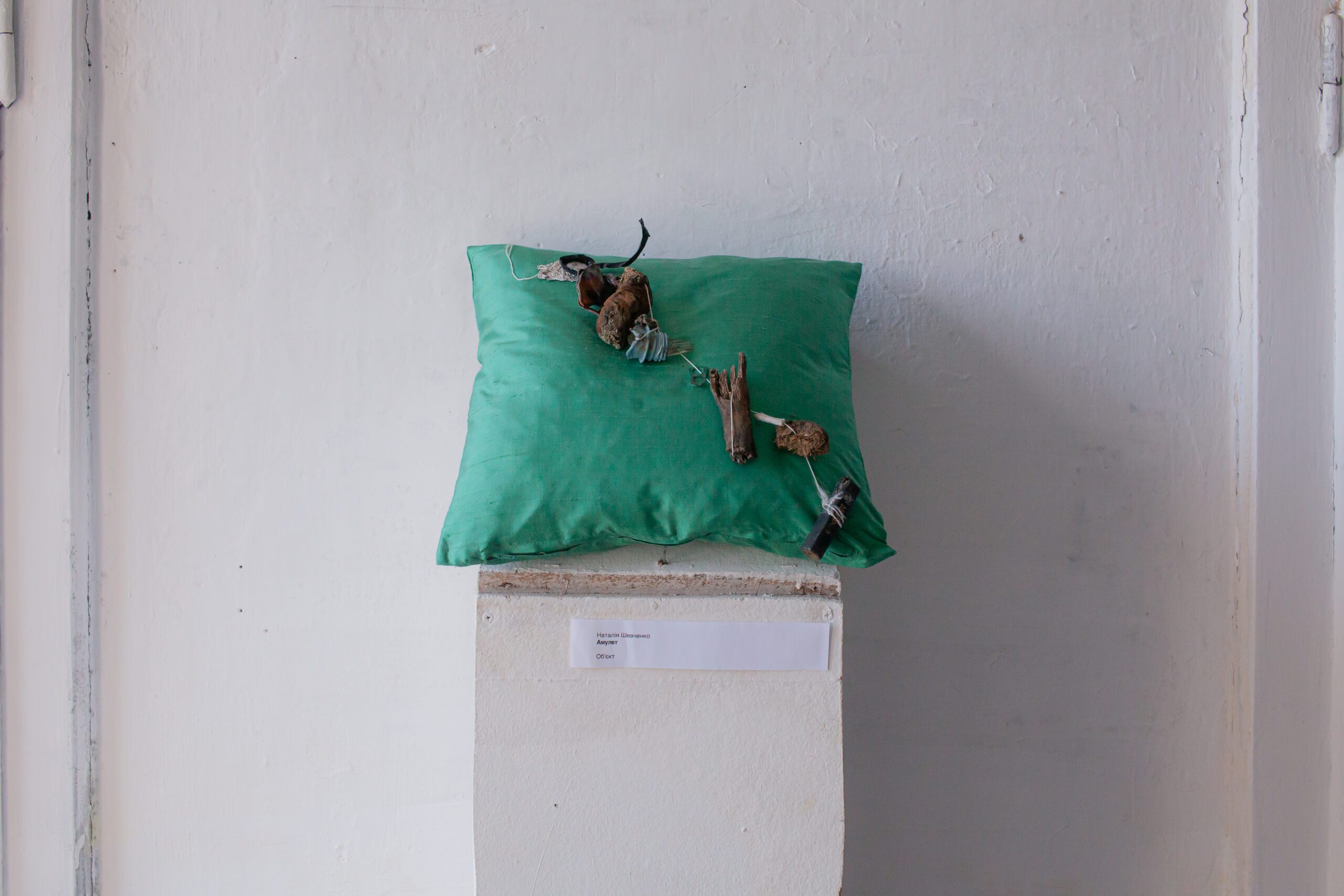
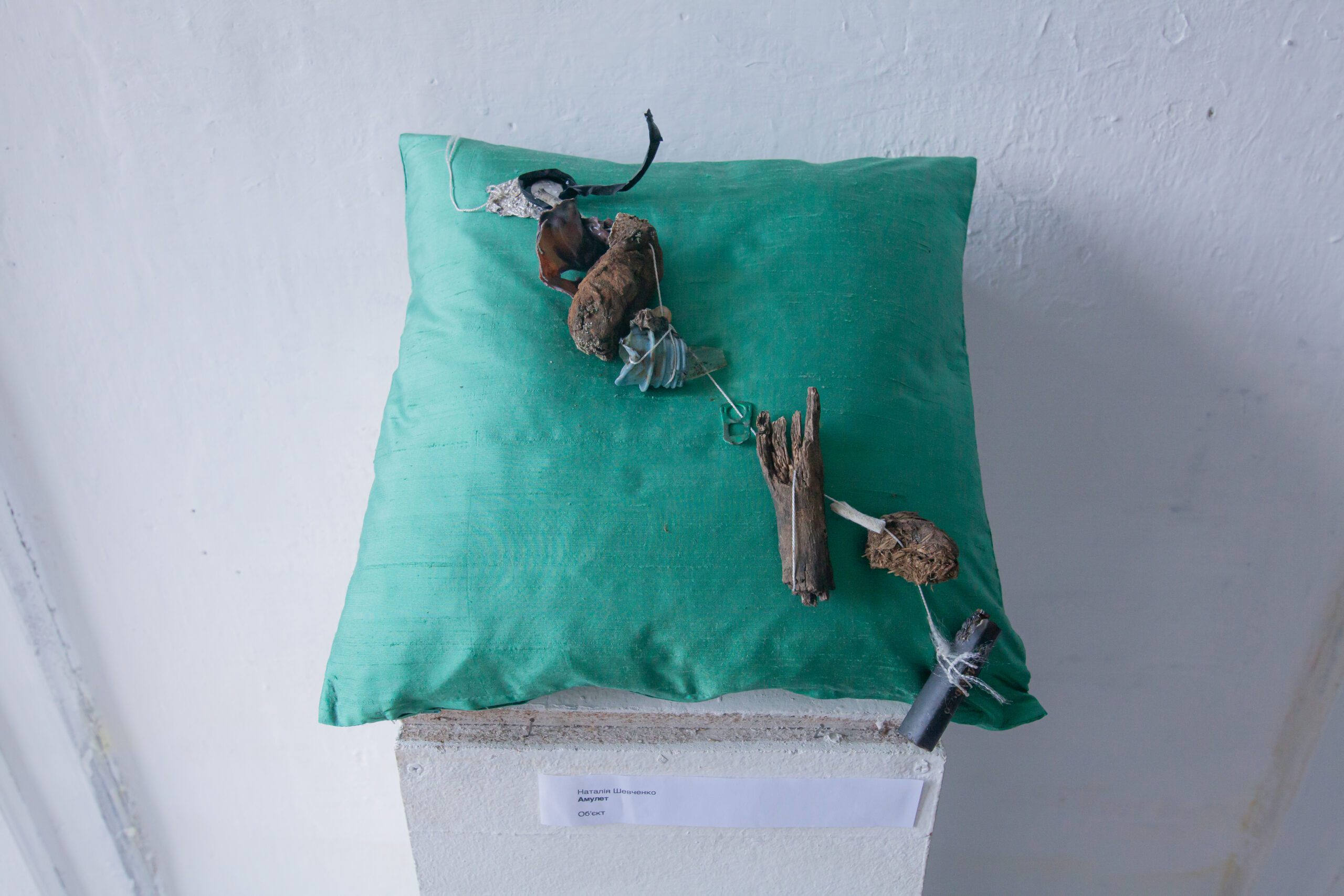
View of the exhibition:
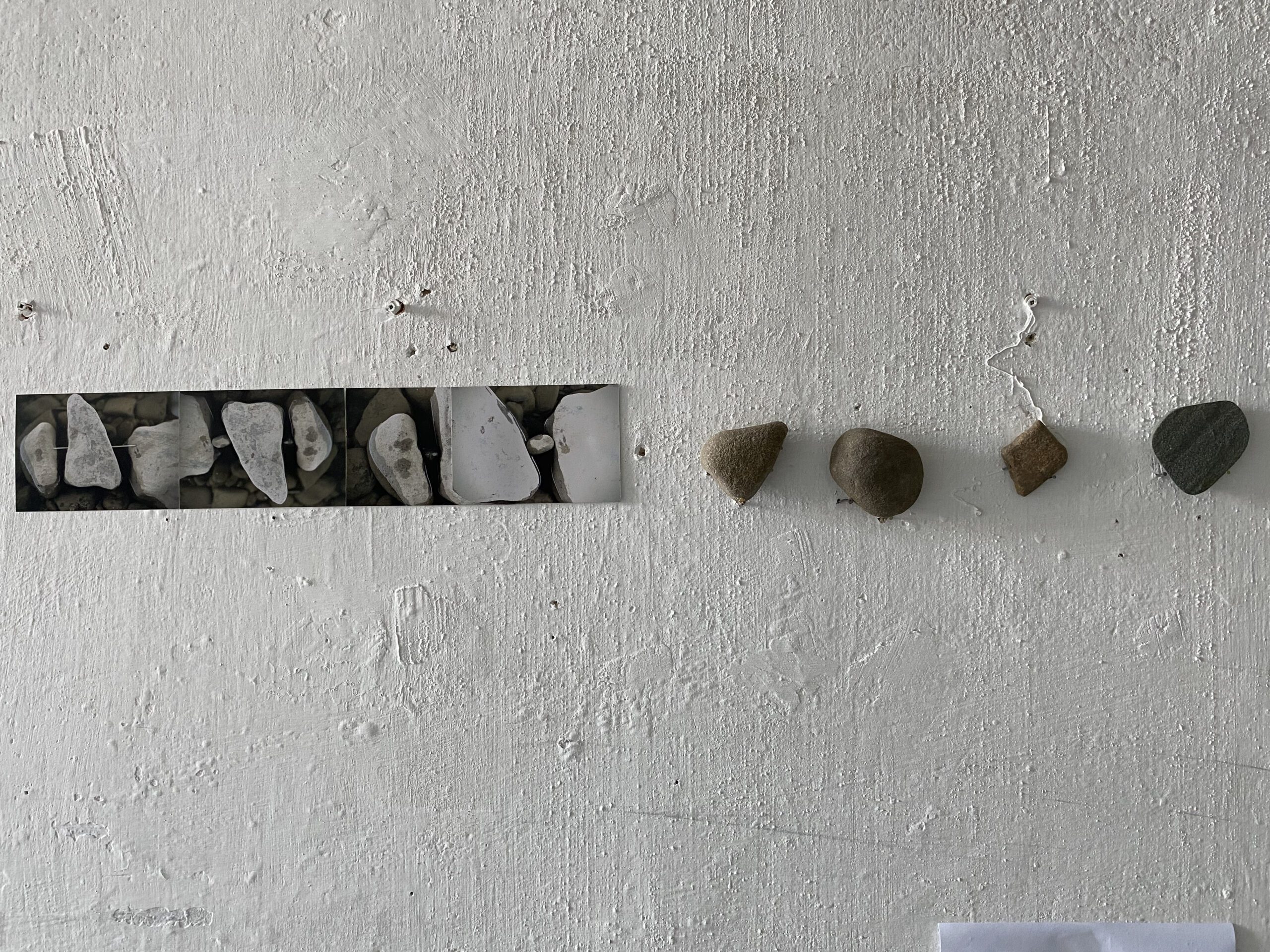
Natalia Shevchenko
River finds series: Home, Seeds, Eye,
Fingerprint, Germ
Credit of photos exhibited at the exhibition: Maryna Malyutina, Mykhailo Melnychenko
Exhibition documentation:
photo credit: Mykhailo Melnychenko
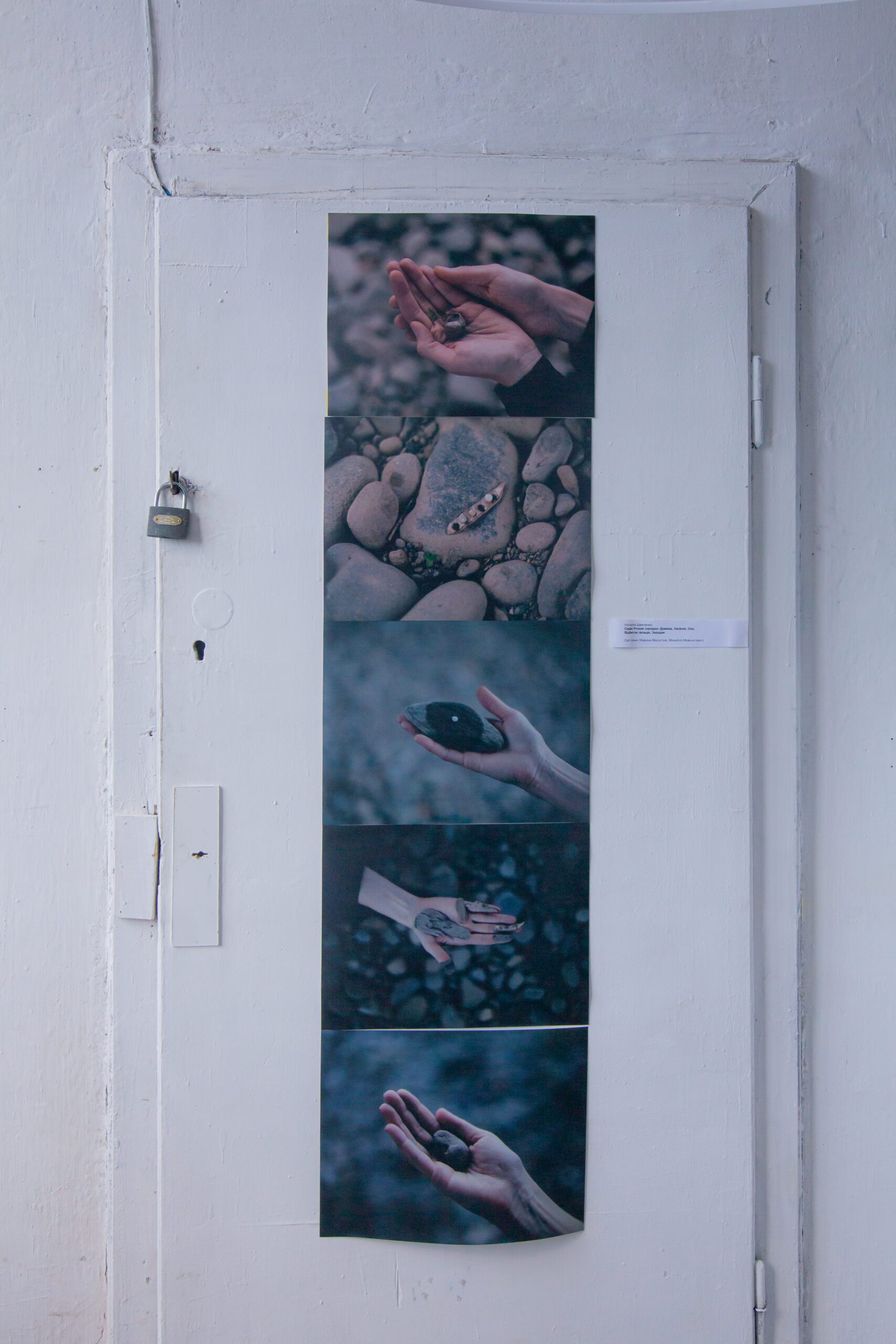
View of the exhibition:
Inna Lukyanets, Revival;
photo credit at the exhibition: Natalia Lisova
Inna Lukyanets, Freedom of Movement;
photo credit at the exhibition: Maryna Malyutina.
View of the exhibition:
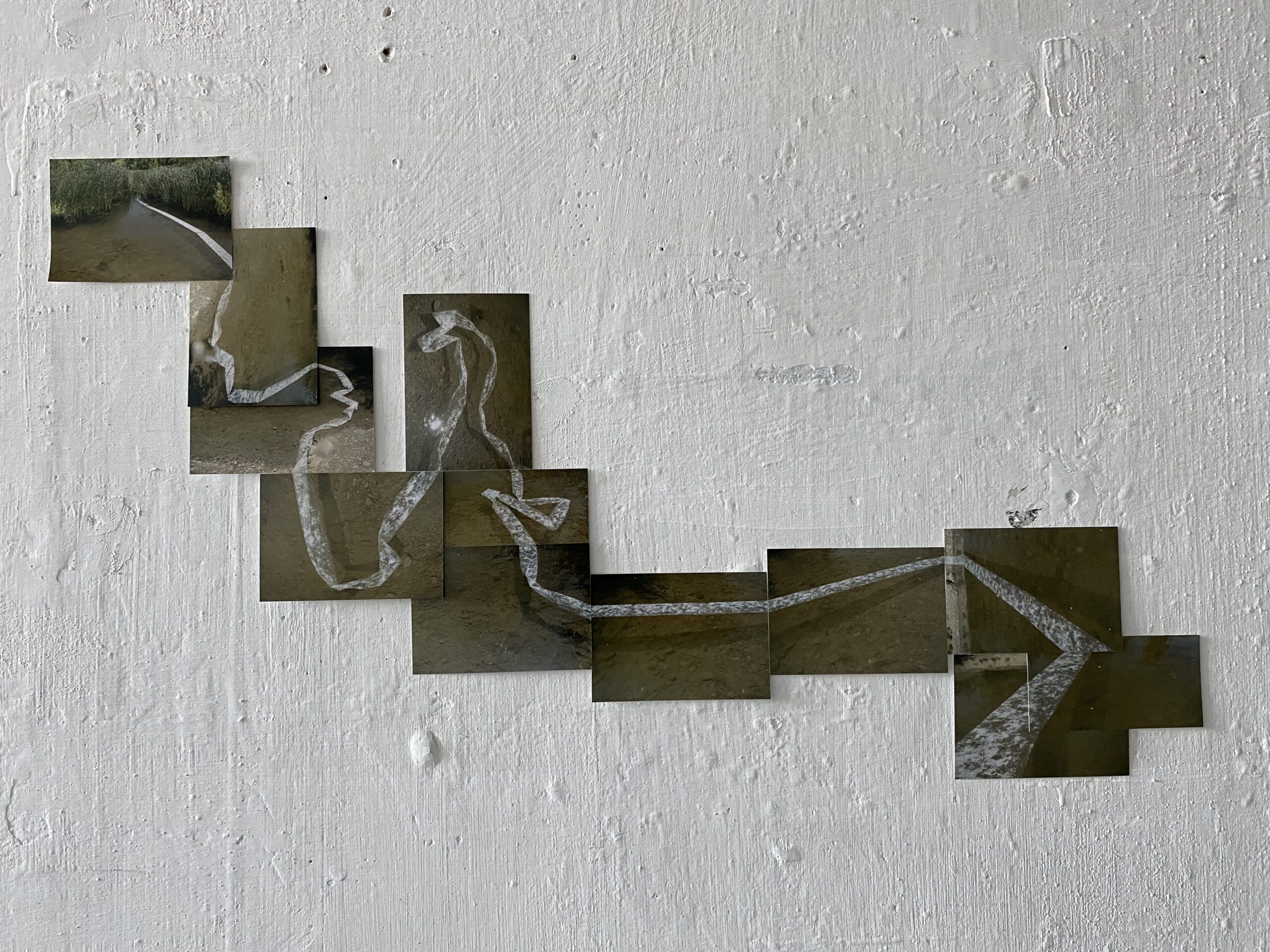
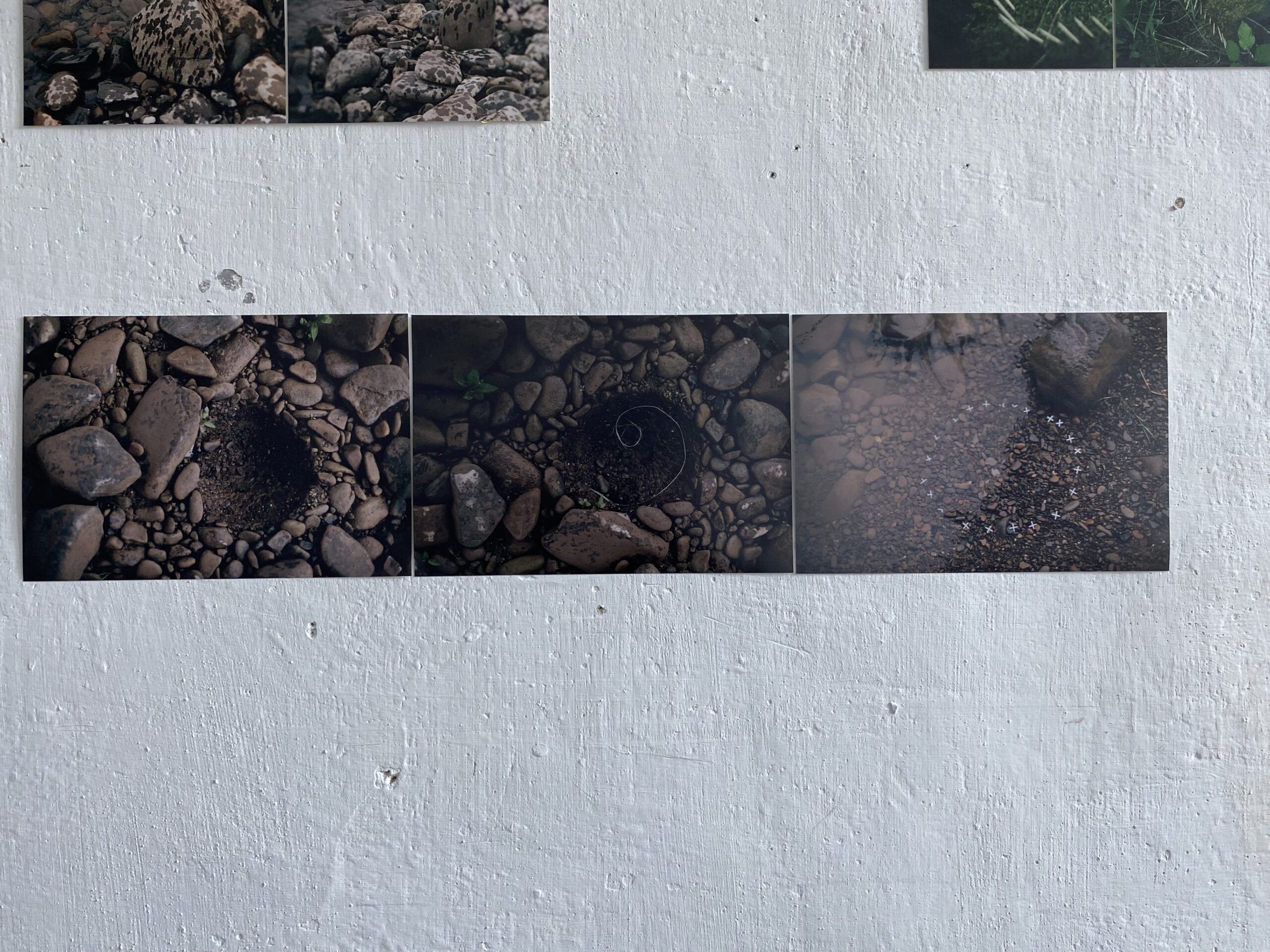
Natalia Lisova, Land art exercises;
photo credit at the exhibition: Natalia Lisova.
Exhibition documentation:
photo credit: 1-3- Petro Ryaska; 4 – Mykhailo Melnychenko
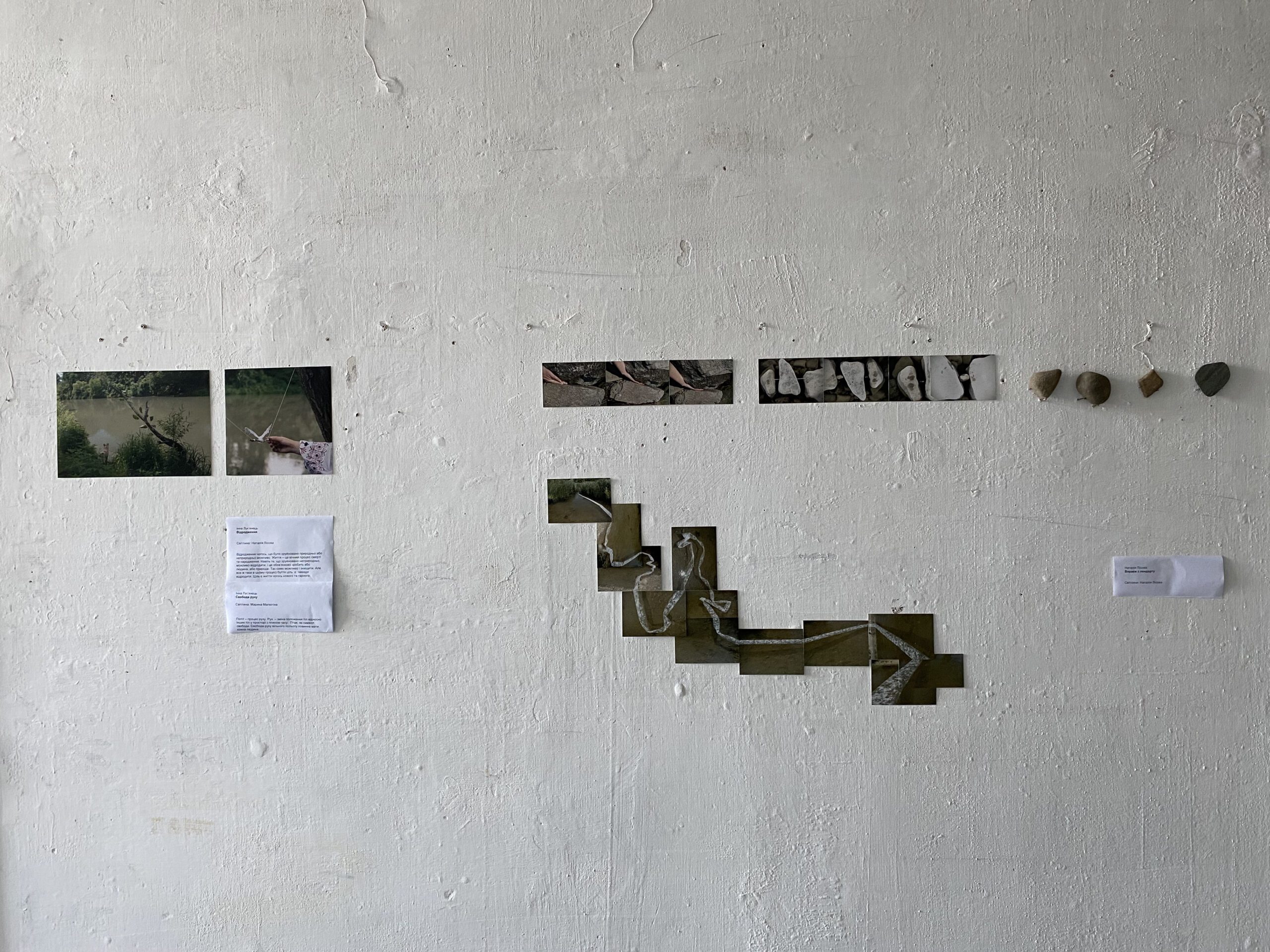
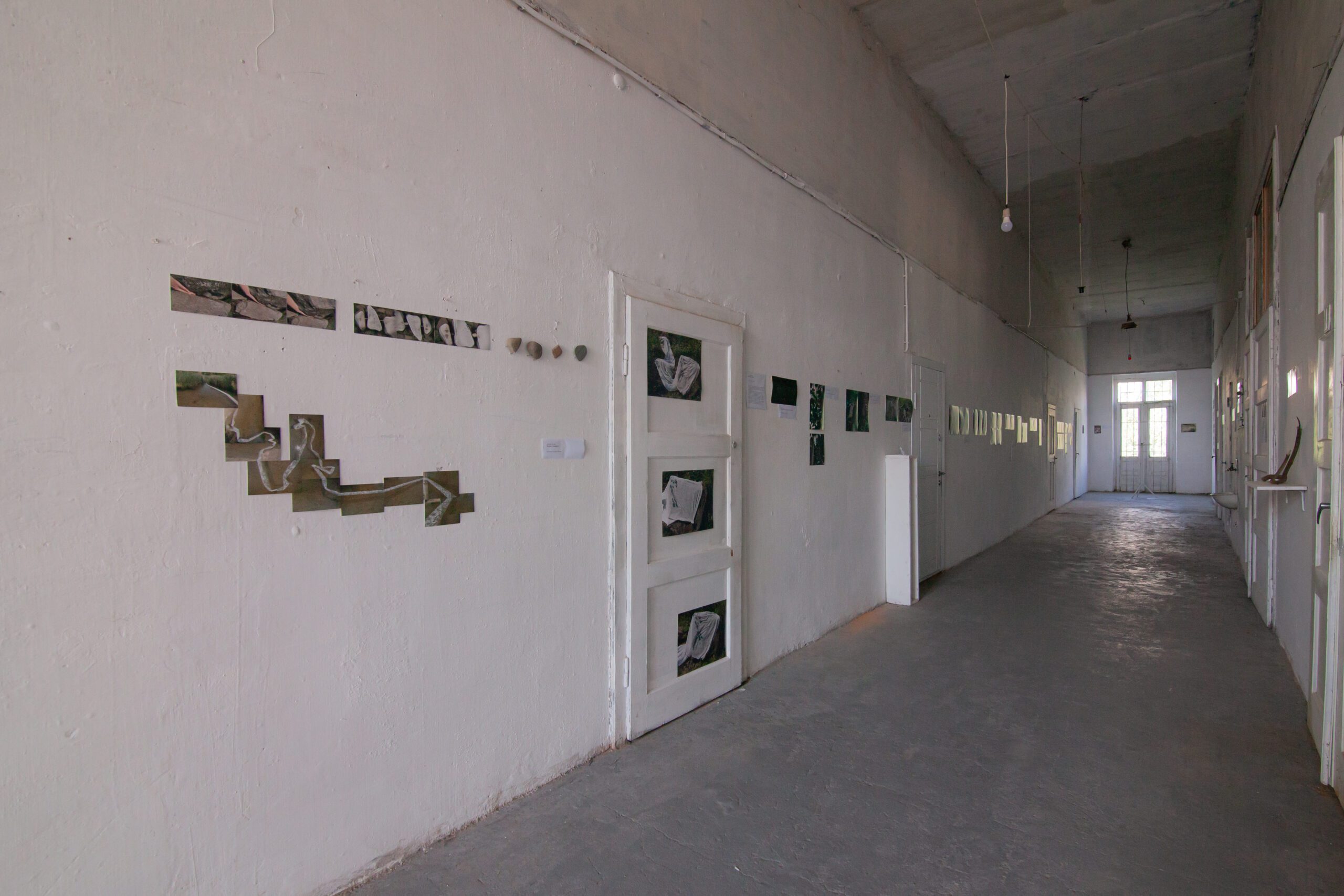
View of the exhibition:
Marina Malyutina – a series of photos.
The fluidity of the moment
Borders
Absence is presence
Exhibition documentation:
photo credit: Petro Ryaska
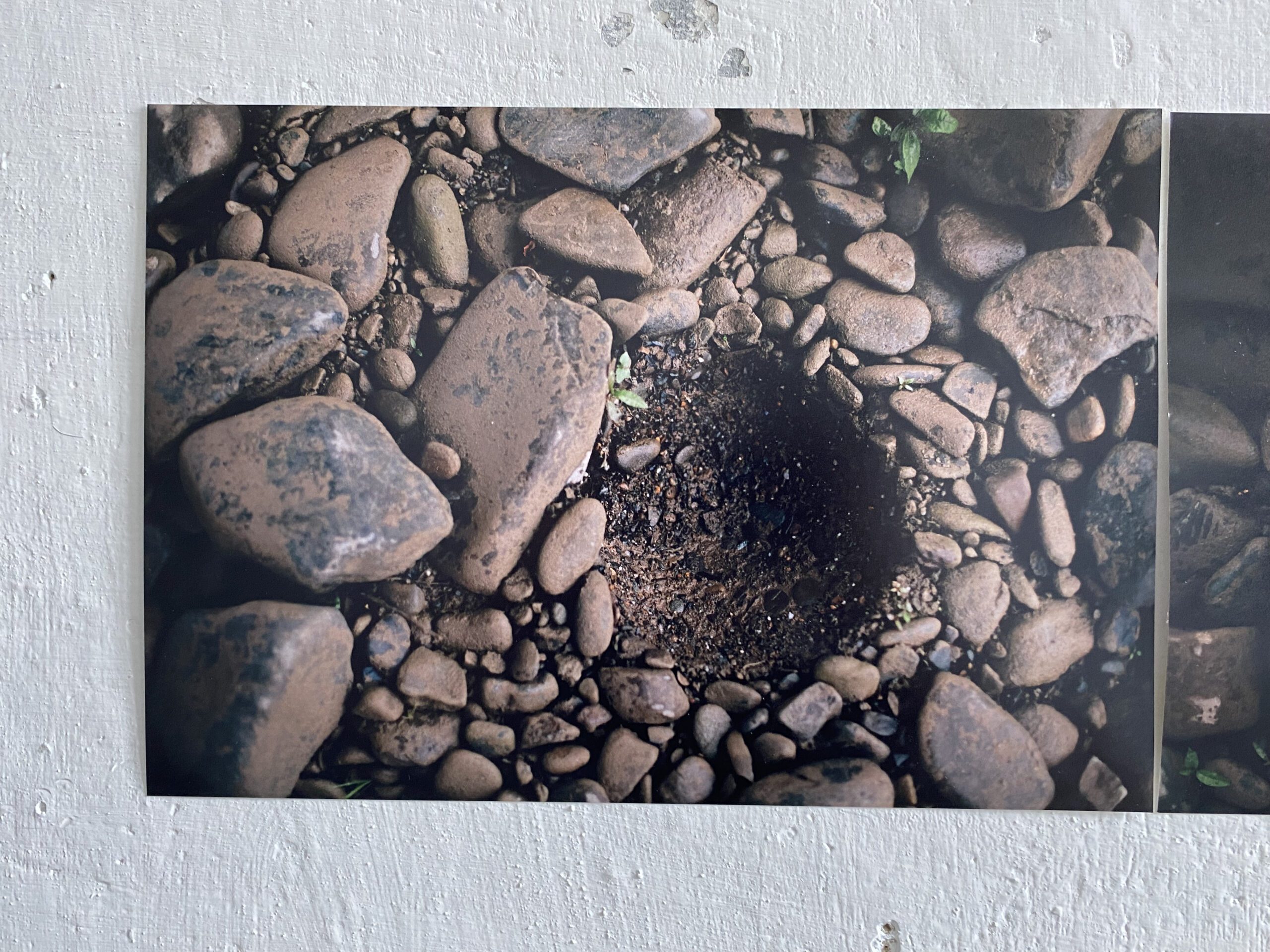
View of the exhibition:
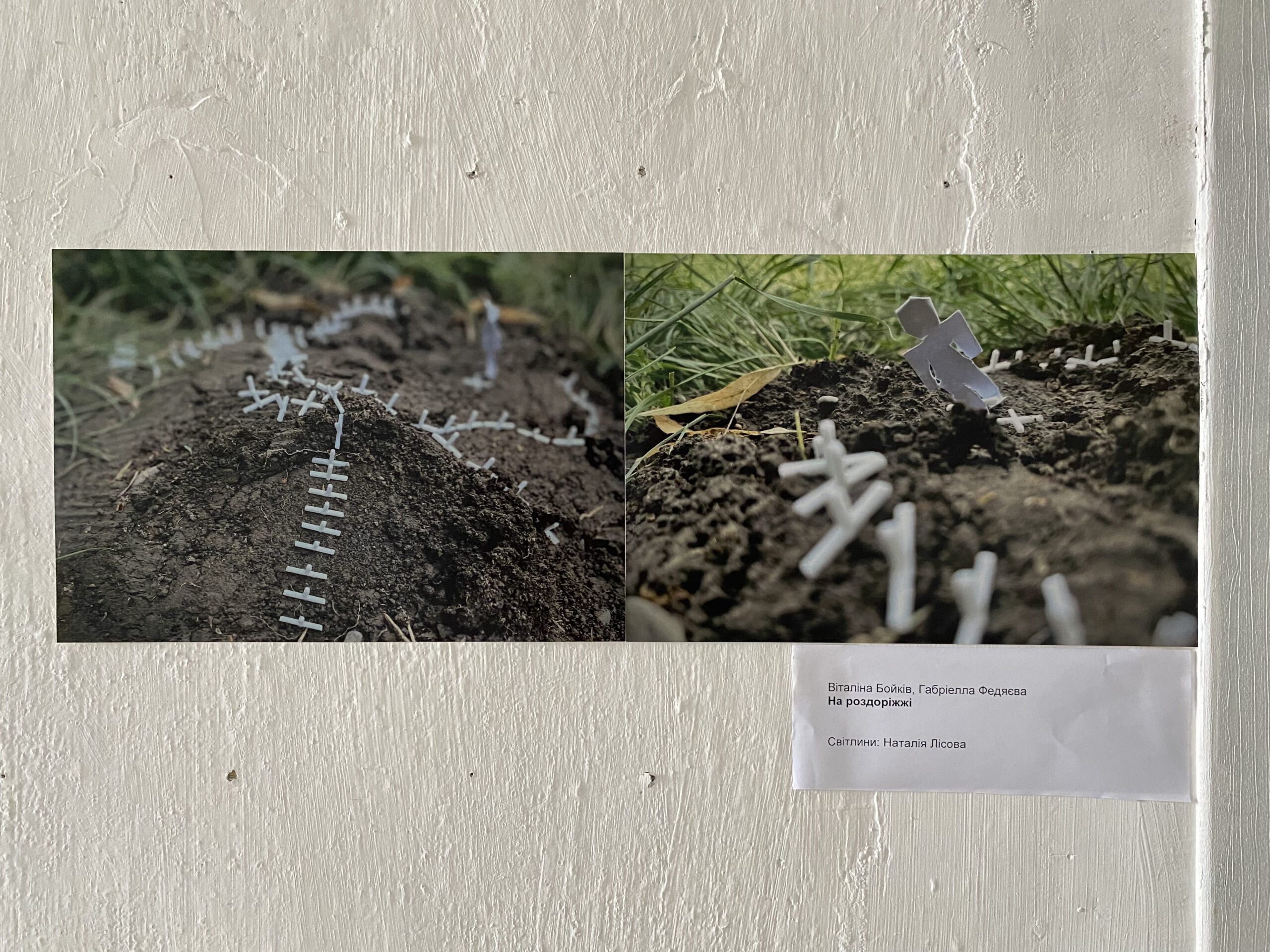
At the crossroads
Vitilina Boykiv, Habriela Fedyaeva
Credit of photos exhibited at the exhibition: Nataliya Lisova
Svitlana Zaprylyuk, Vitalina Boykiv
Outgrowth
Credit of photos exhibited at the exhibition: Vitalina Boykiv, Svitlana Zaprylyuk
Vitalina Boykiv
Toxic attachment
Credit of photos exhibited at the exhibition: Nataliya Lisova, Maryna Malyutina
Vitalina Boykiv
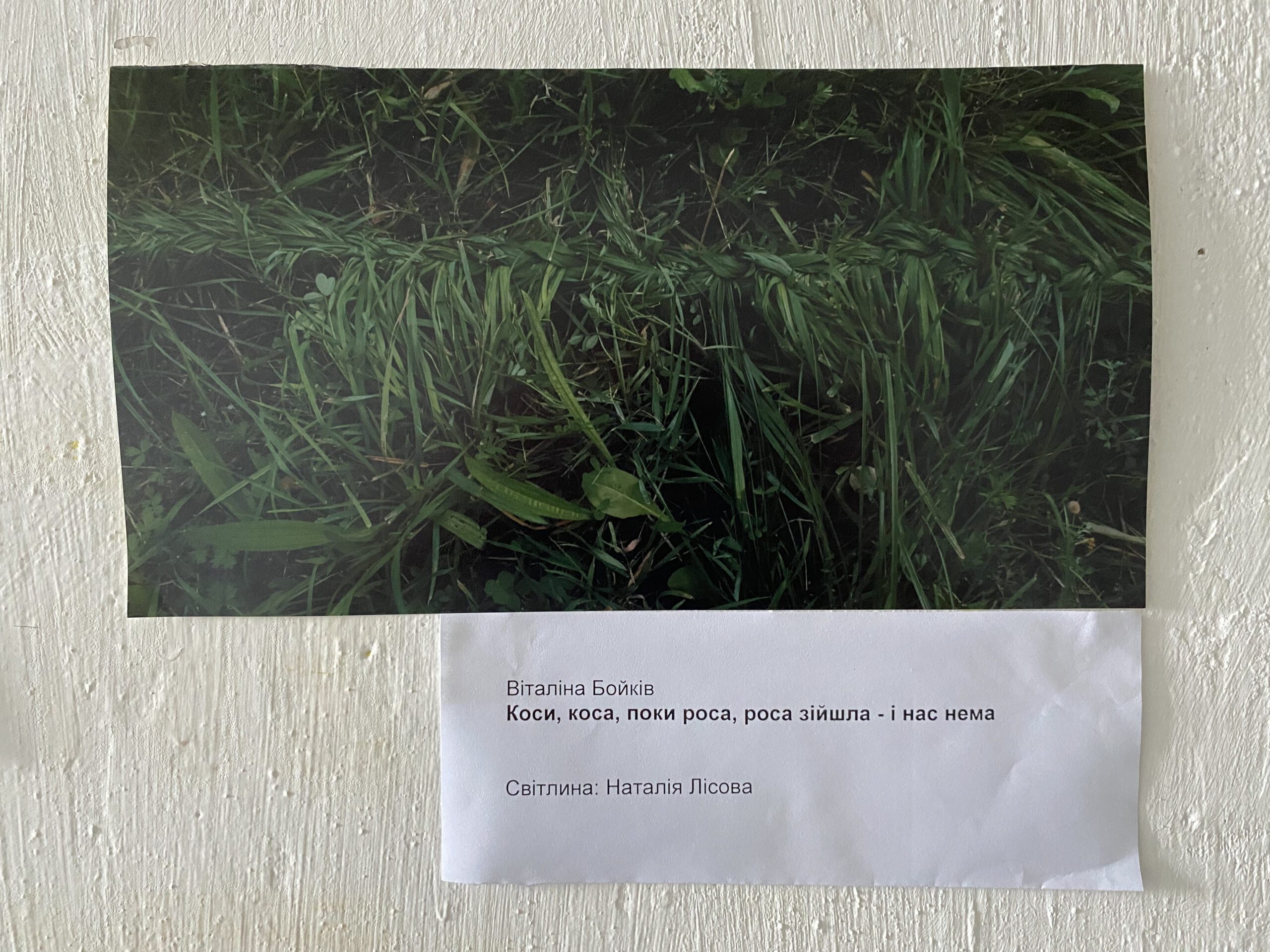
Scythe, scythe, until the dew, the dew has come down – and we are gone
Photo credit of the exhibited at the exhibition: Nataliya Lisova
Vitalina Boykiv
Depersonalization
Credit of photos exhibited at the exhibition: Petro Ryaska
Exhibition documentation:
photo: 1,2,4 – Mykhailo Melnychenko; 3,5,6 – Petro Ryaska
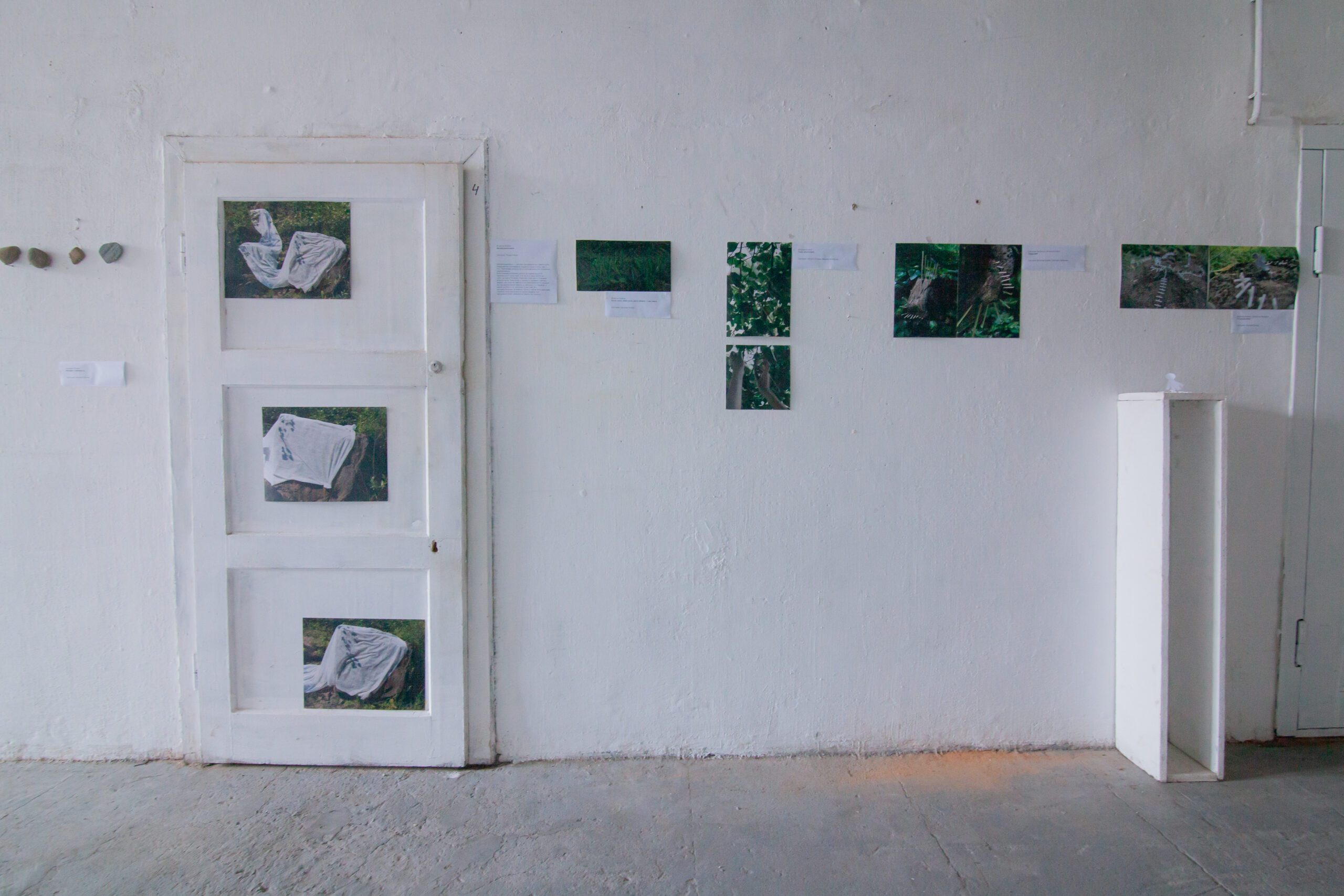
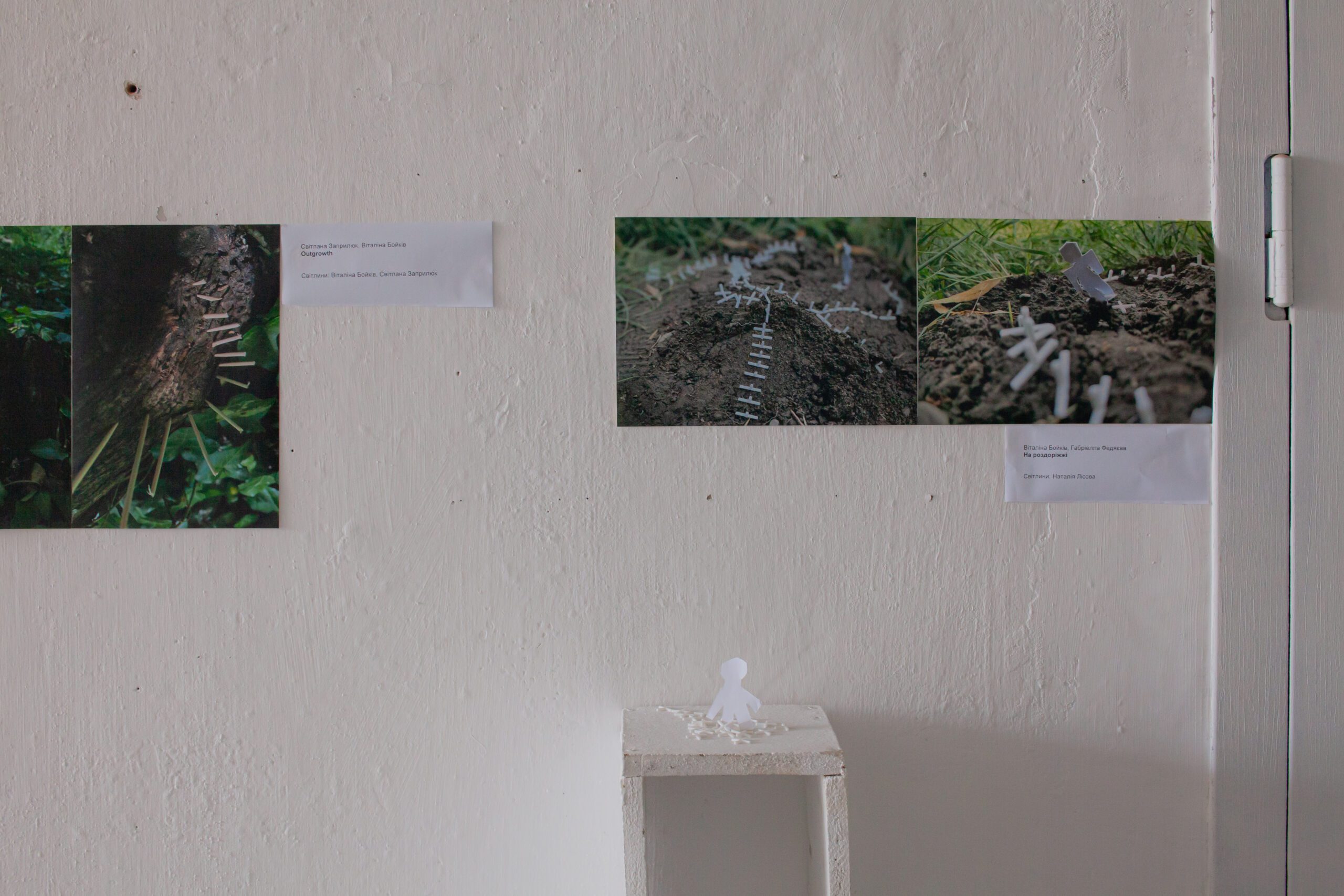
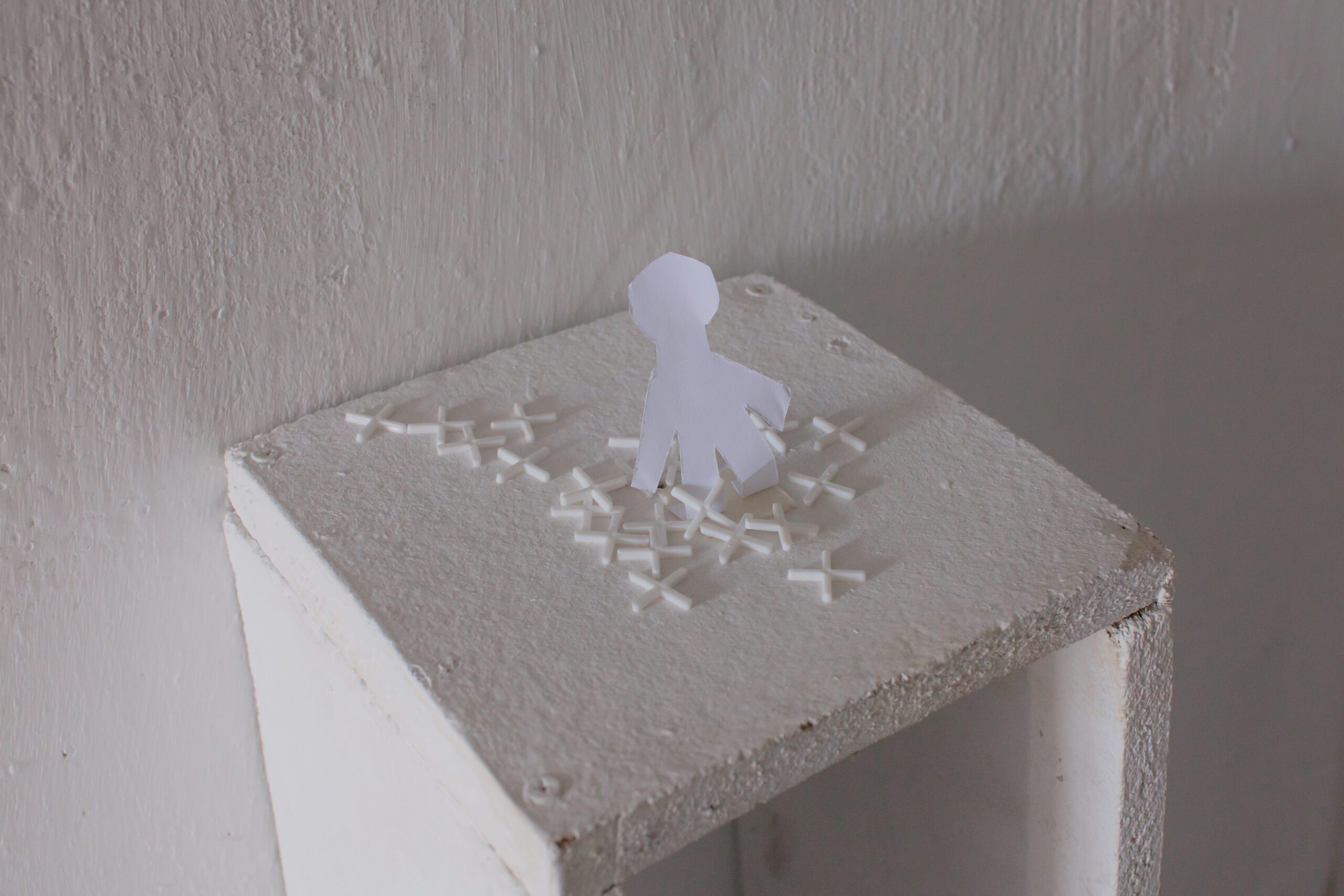
View of the exhibition:
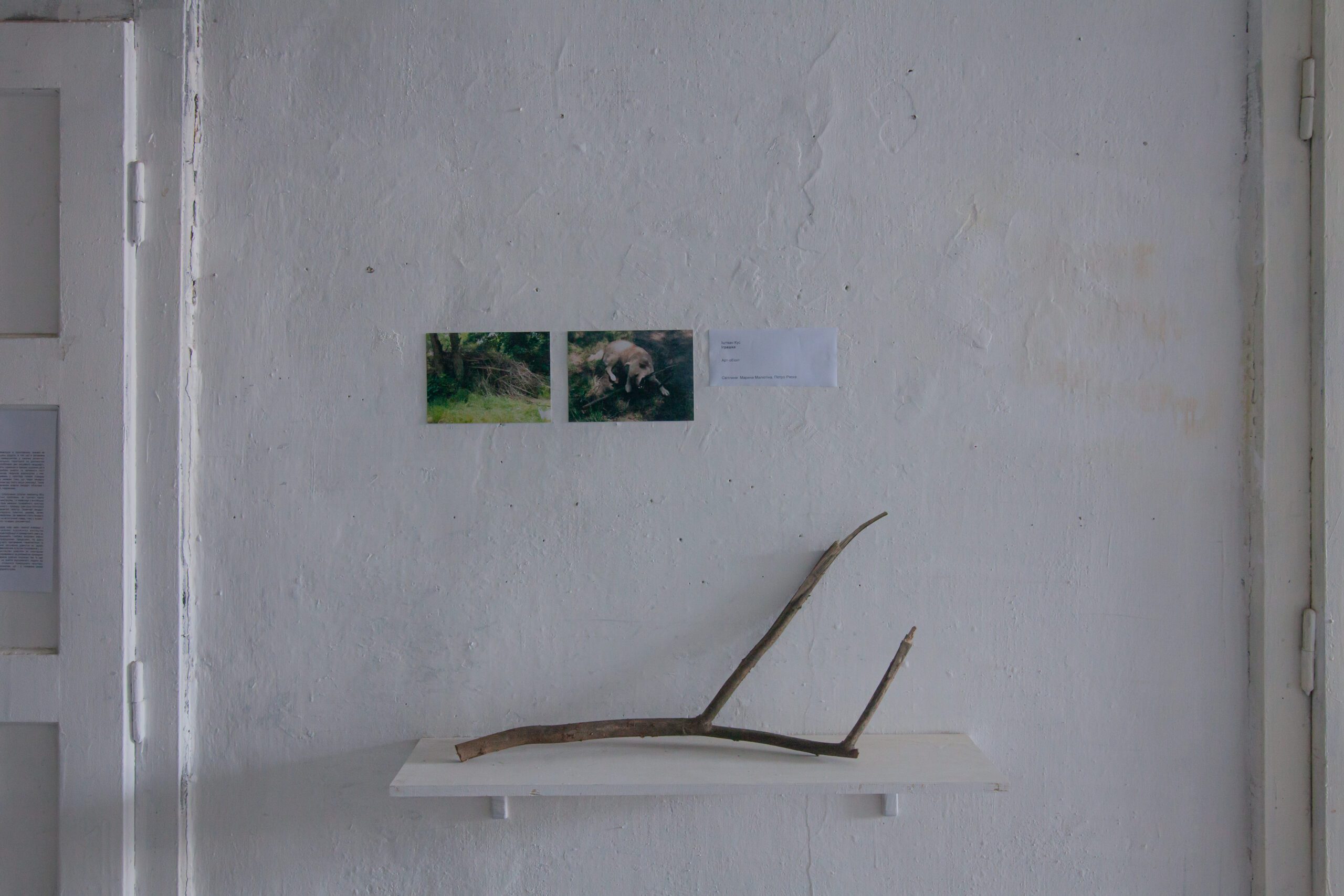
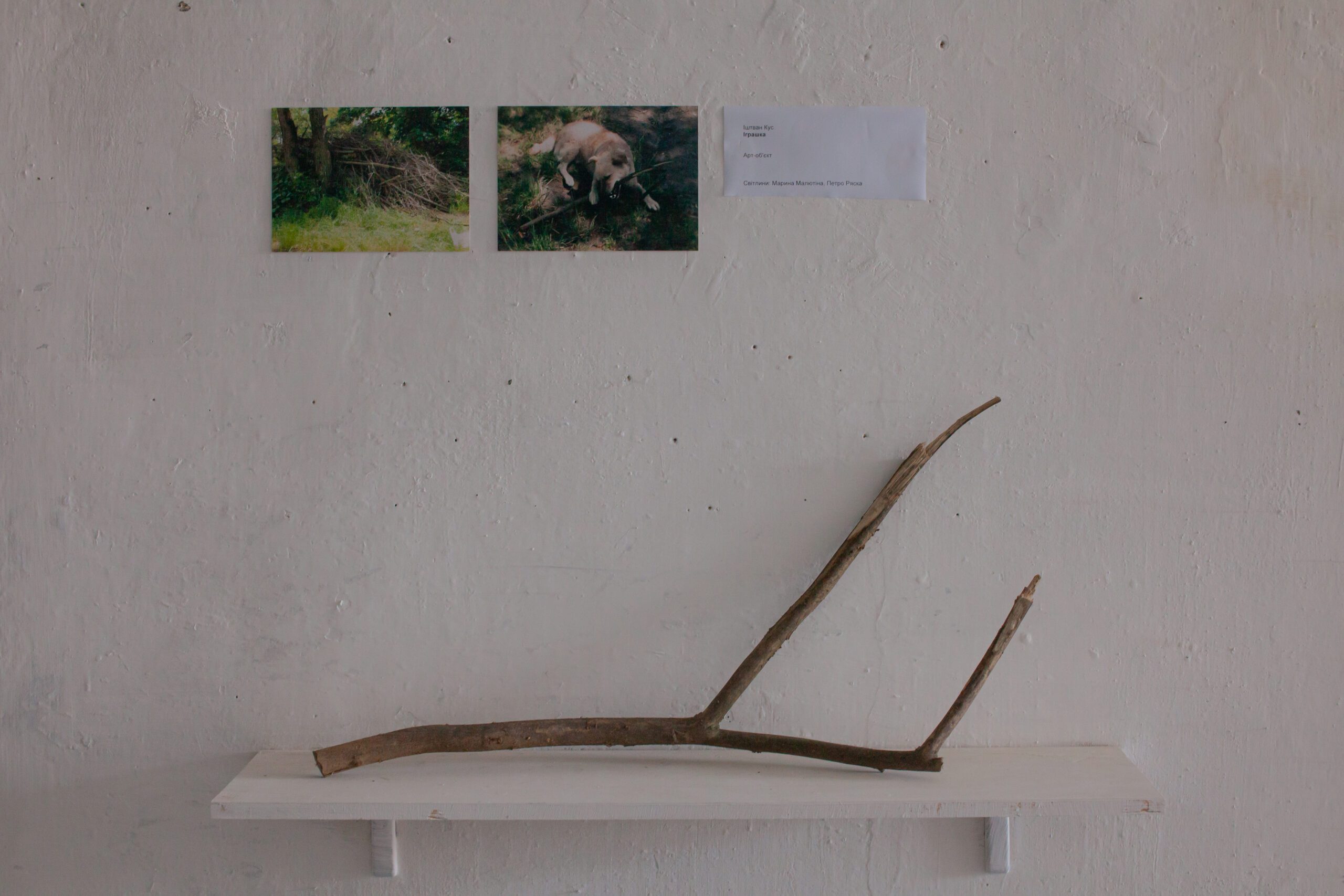
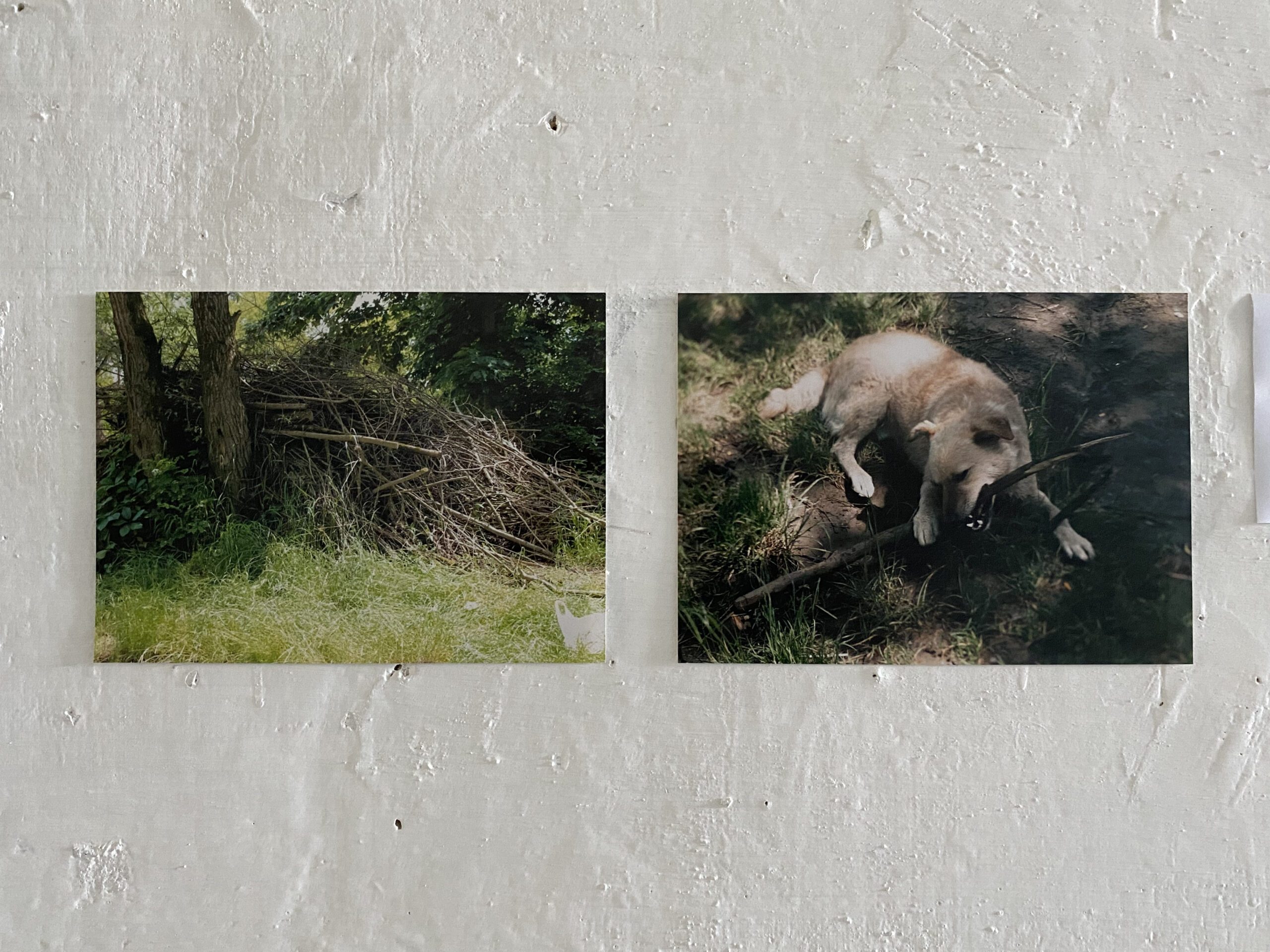
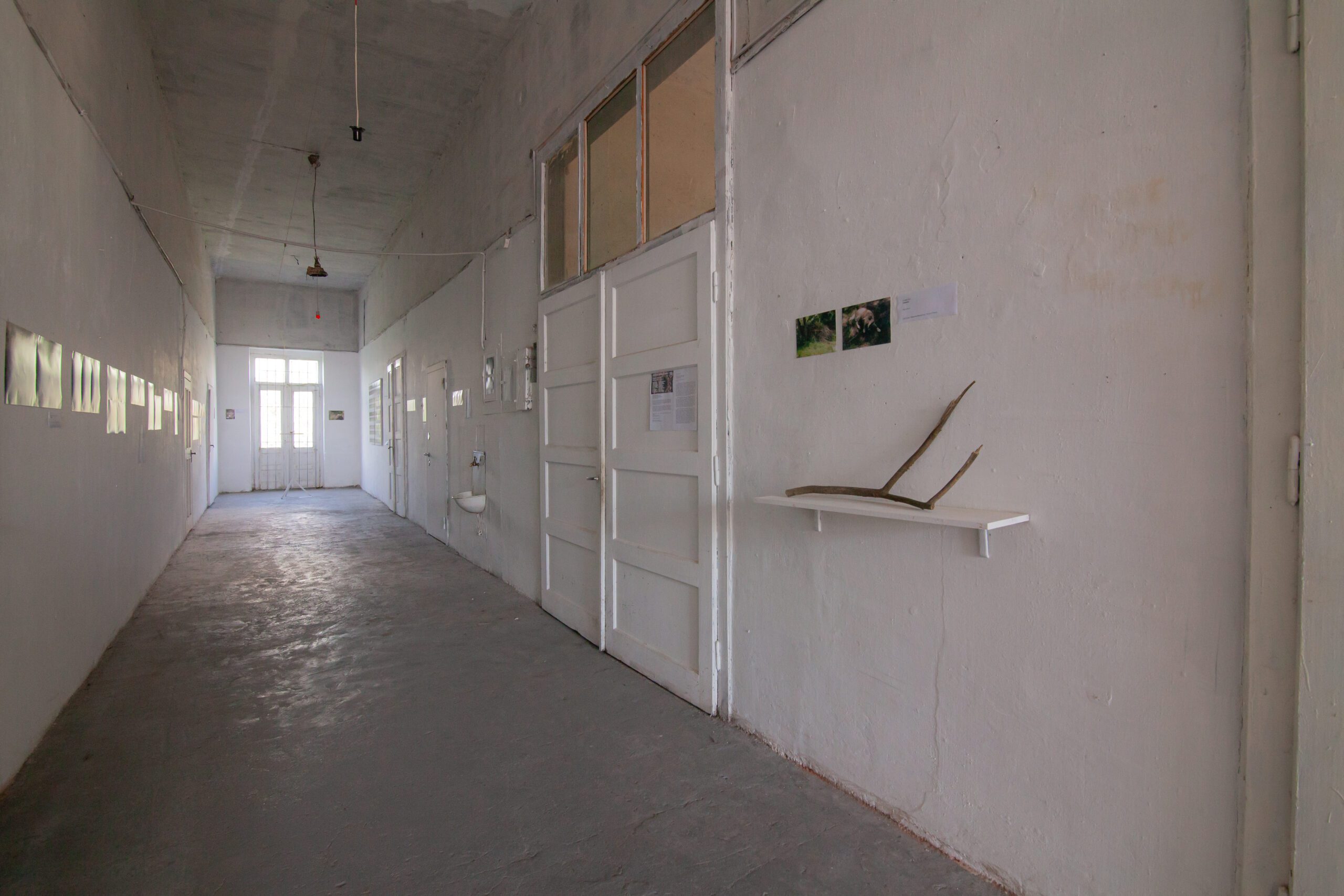
Istvan Kus
Toy
Art object
Credit of photos exhibited at the exhibition: Maryna Malyutina, Petro Ryaska
Exhibition documentation:
photo: 1,2,4 – Mykhailo Melnychenko; 3 – Petro Ryaska
View of the exhibition:
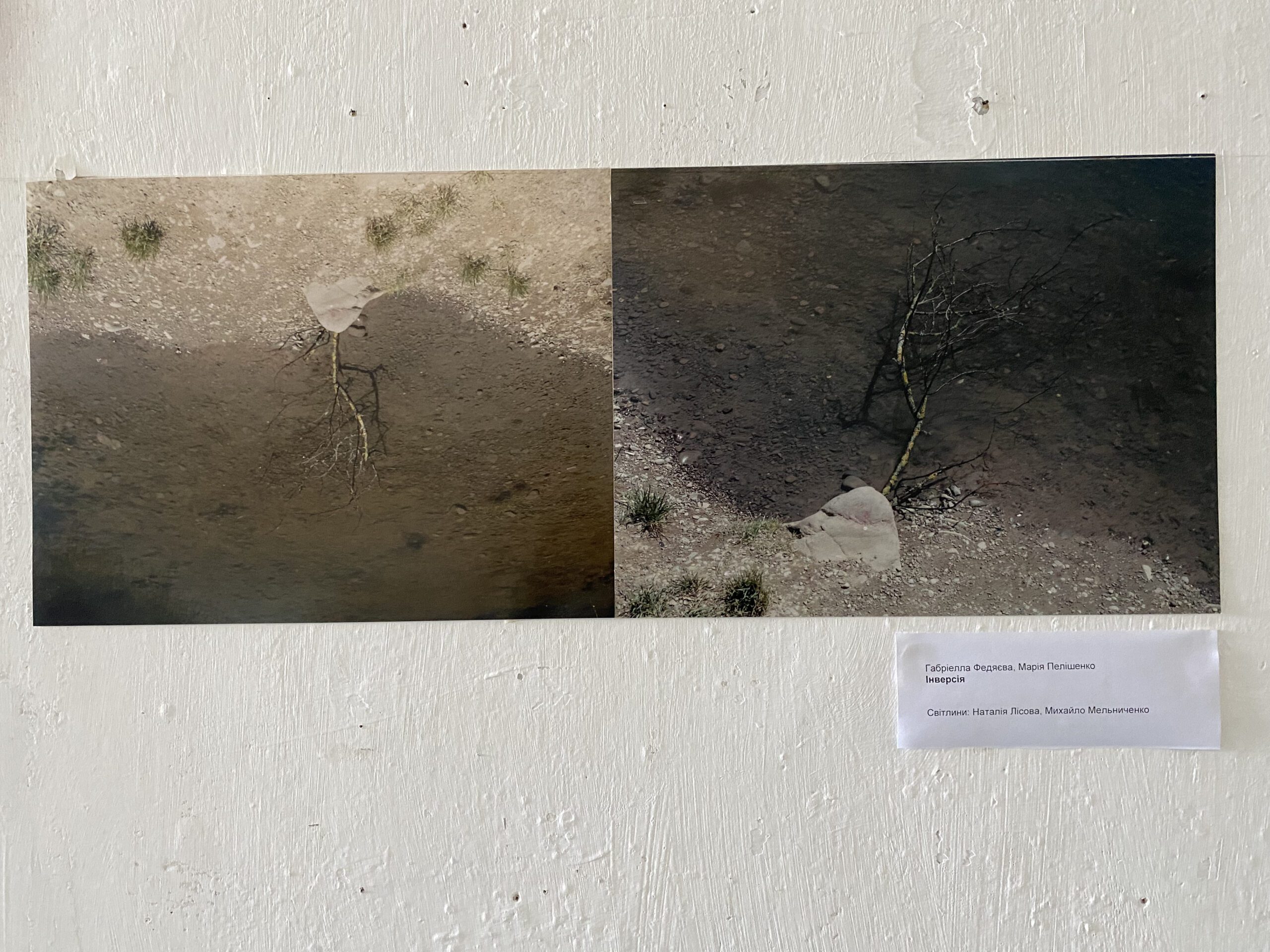
Gabriella Fedyaeva, Maria Pelishenko
Inversion
Photos: Natalia Lisova, Mykhailo Melnychenko
Gabriella Fedyaeva
Confused
Photo: Marina Malyutina
Gabriella Fedyaeva
The road is blocked
Photo: Marina Malyutina, Natalia Lisova
Gabriella Fedyaeva
Purgatory
Photo: Maryna Malyutina, Mykhailo Melnychenko
Gabriella Fedyaeva
Scattered
Photo: Natalia Lisova
Gabriella Fedyaeva
Martins
Photo: Maria Pelishenko
Exhibition documentation:
photo: 1 – Mykhailo Melnychenko; 2-7 – Petro Ryaska
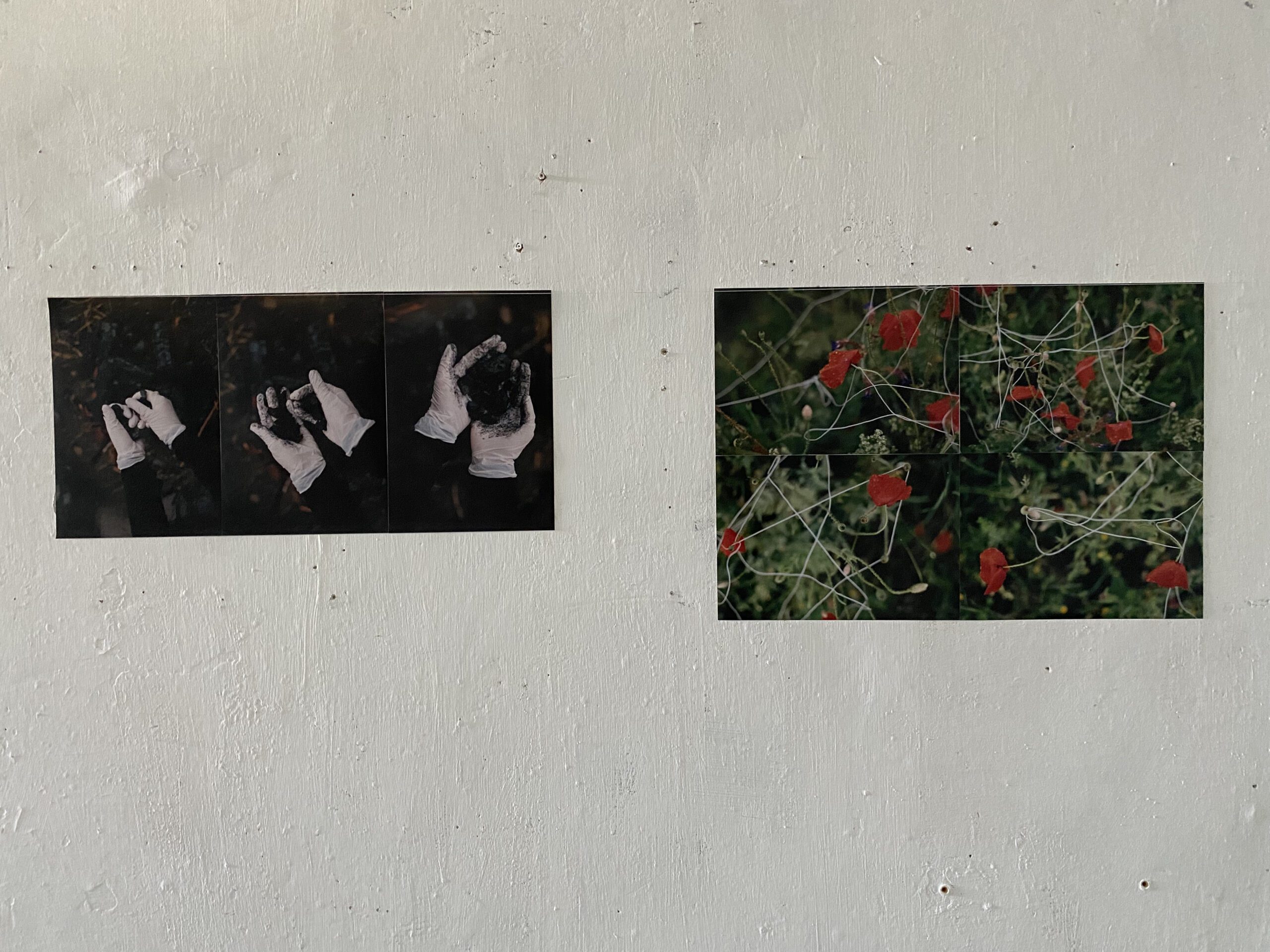
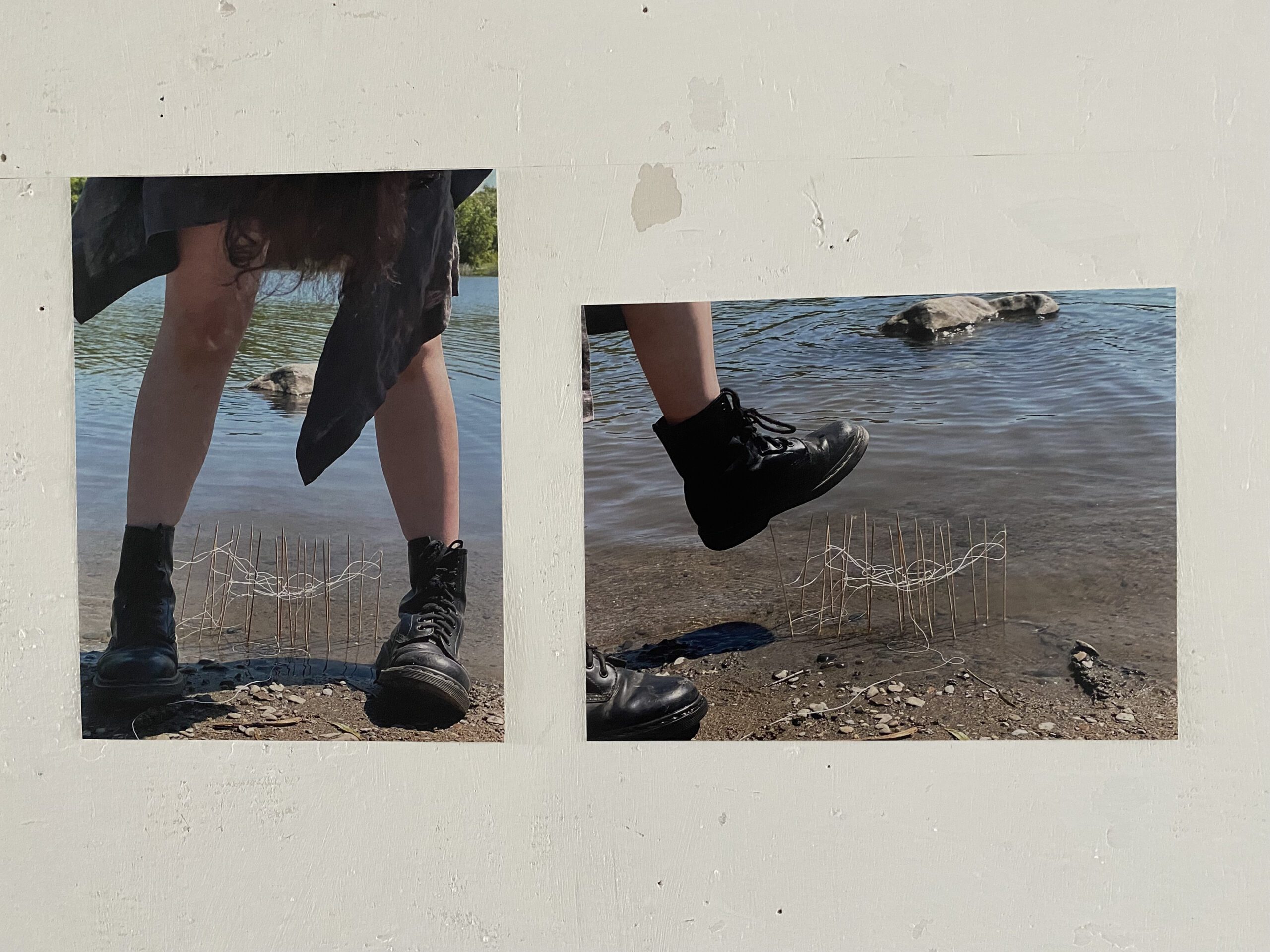
View of the exhibition:
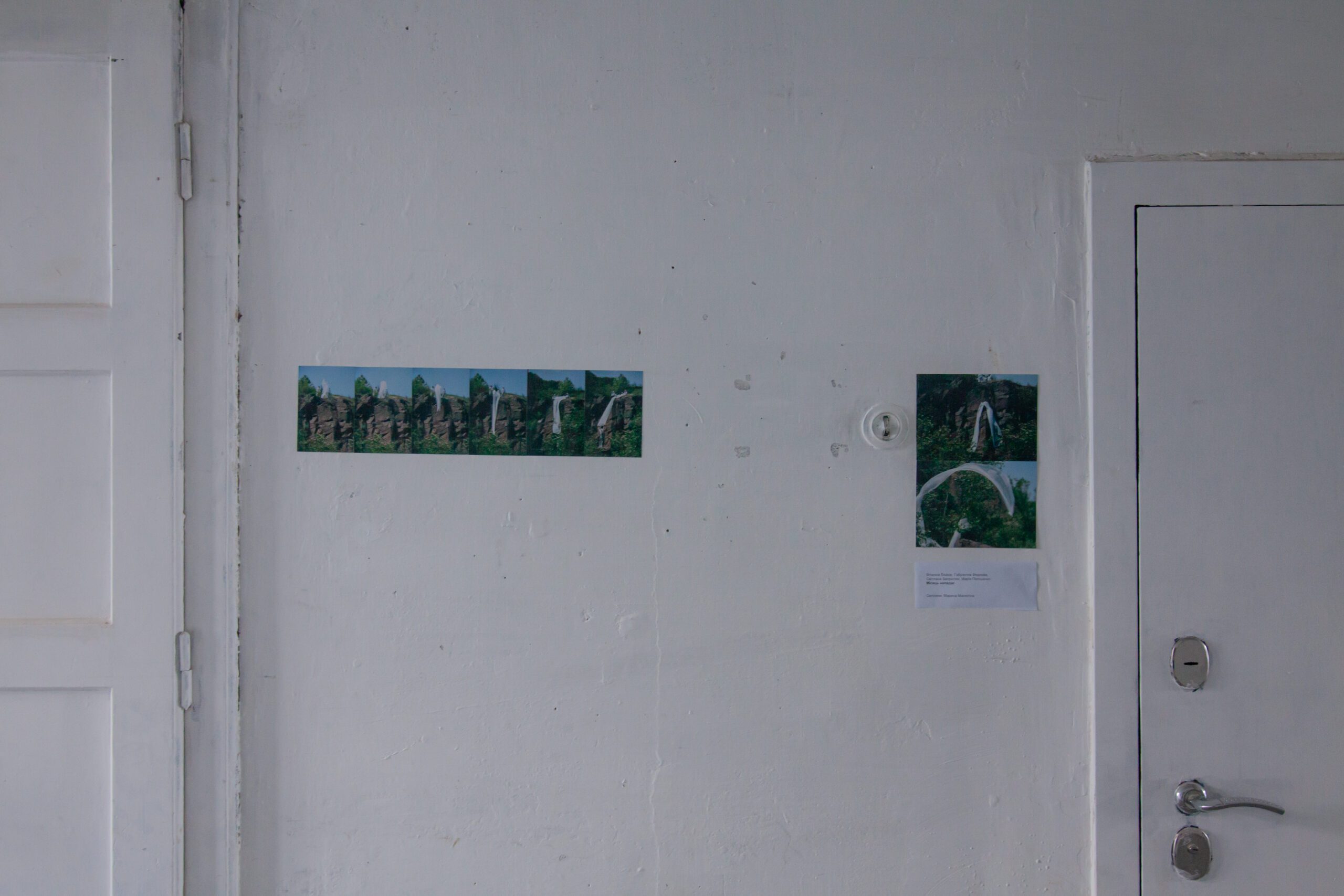
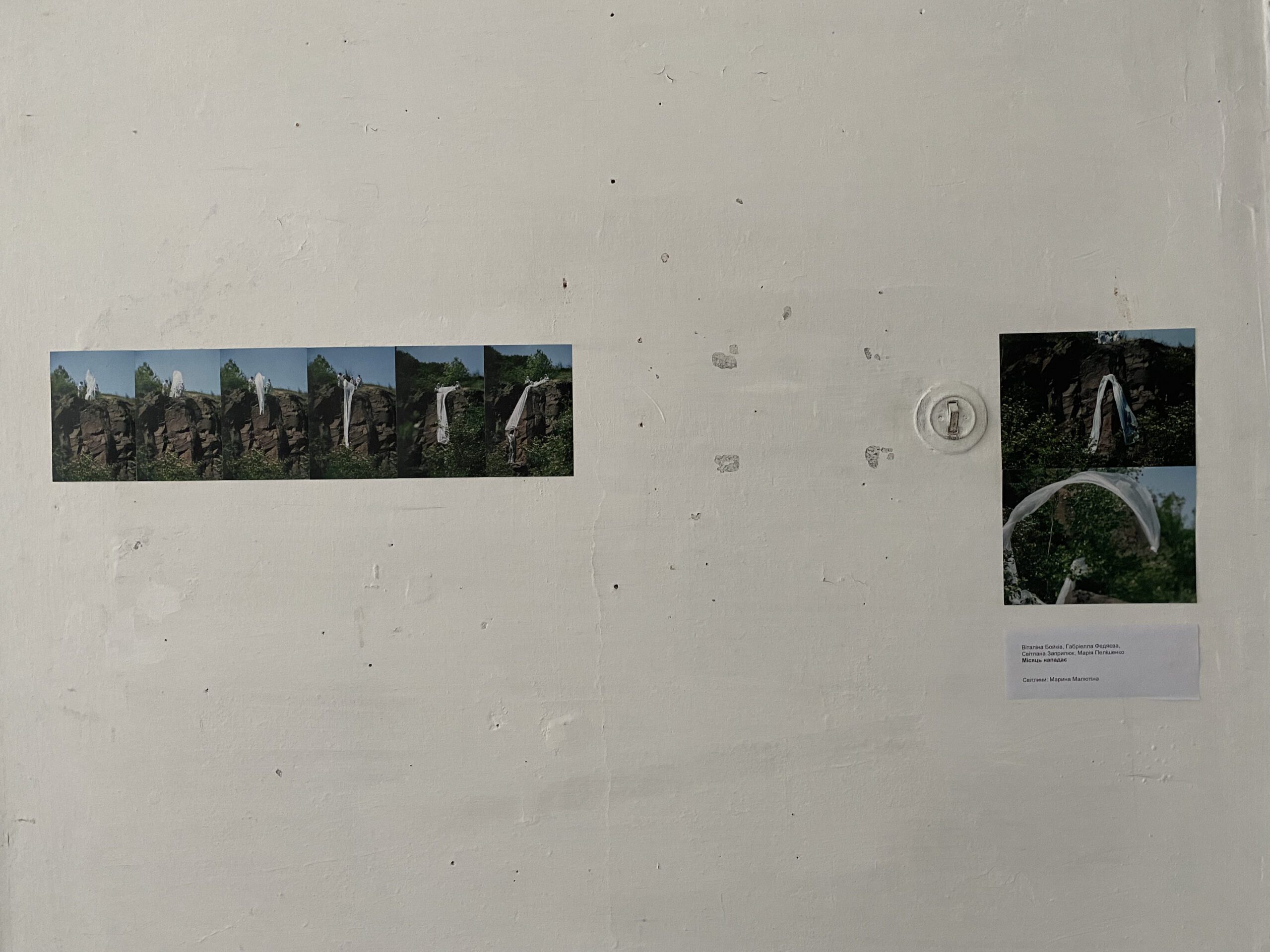
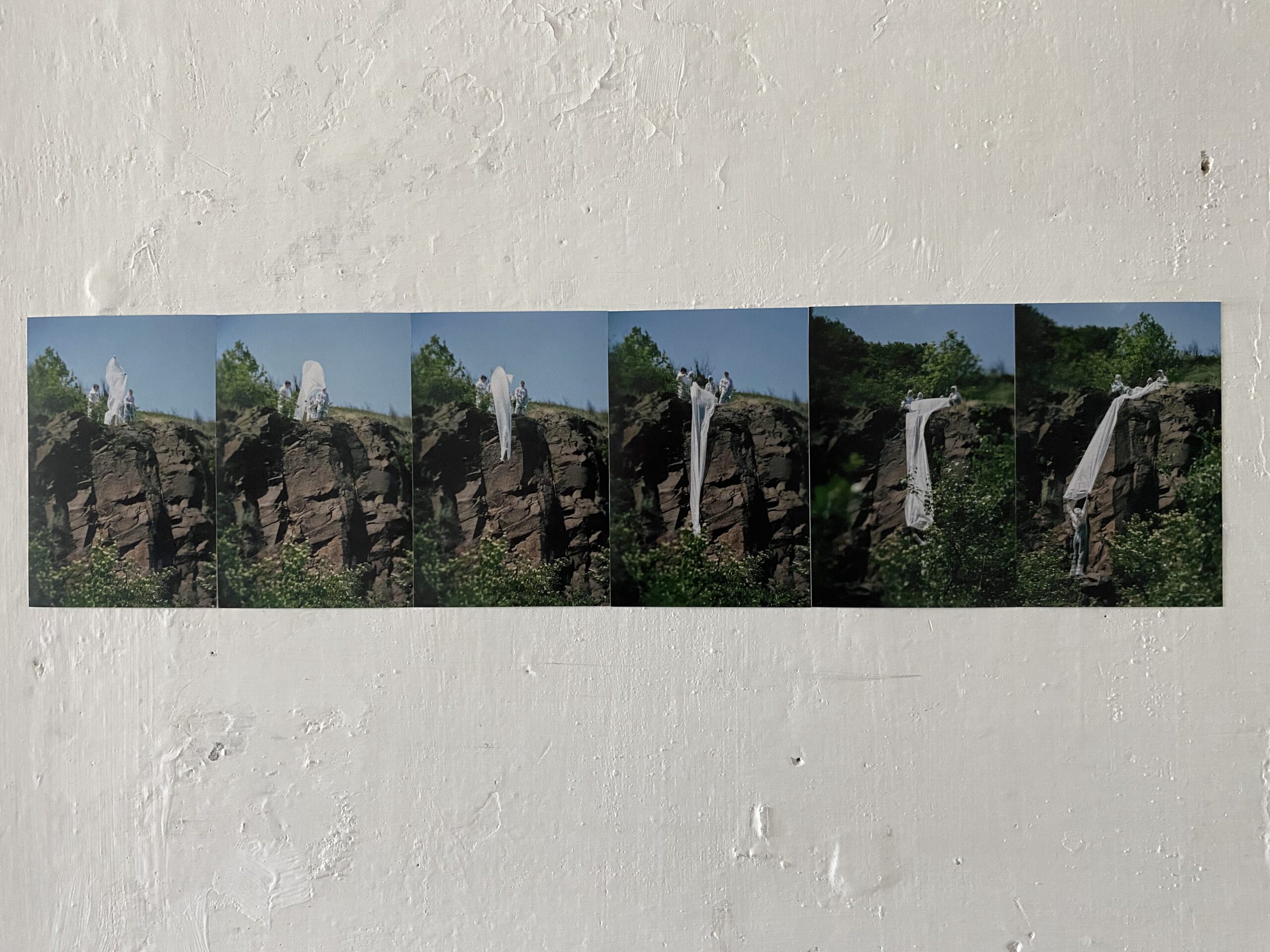
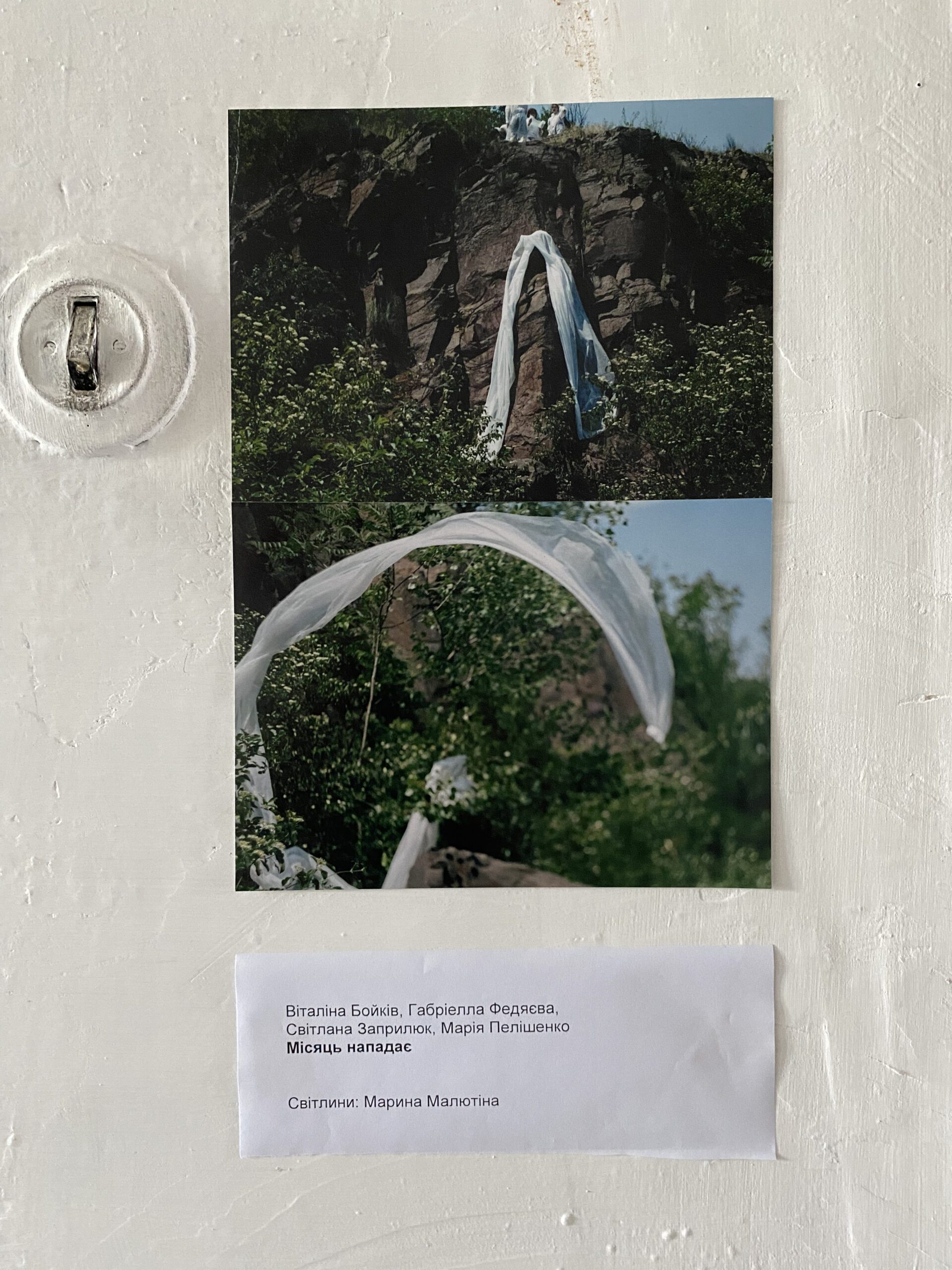
The moon is attacking
Vitilina Boykiv, Habriela Fedyaeva, Svitlana Zaprylyuk, Maria Pelishenko.
Credit of photos exhibited at the exhibition: Maryna Malyutina
Exhibition documentation:
photo: 1 – Mykhailo Melnychenko; 2-4 – Petro Ryaska
View of the exhibition:
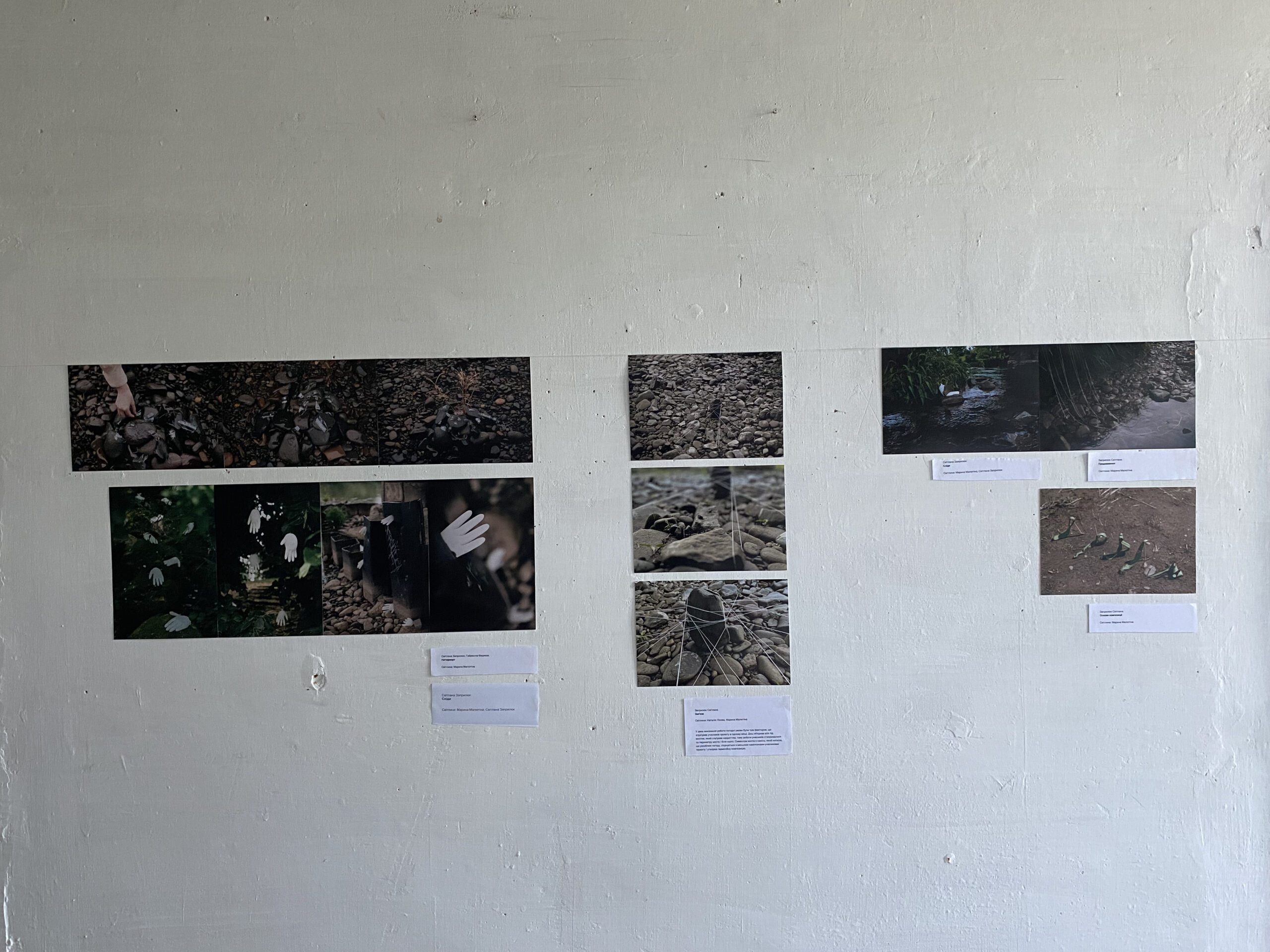
Svitlana Zaprylyuk, Habriella Fedyaeva
Still life
Credit of photos exhibited at the exhibition: Maryna Malyutina
Svitlana Zaprylyuk
Traces
Credit of photos exhibited at the exhibition: Maryna Malyutina, Svitlana Zaprylyuk
Svitlana Zaprylyuk
Communication
Credit of photos exhibited at the exhibition: Maryna Malyutina, Nataliya Lisova
Svitlana Zaprylyuk
Basics of composition
Credit of photos exhibited at the exhibition: Maryna Malyutina
Zaprylyuk Svitlana
Continuation
Credit of photos exhibited at the exhibition: Maryna Malyutina
Документація виставки:
кредит світлини: Петро Ряска
View of the exhibition:
Vitalina Boykiv, Habriella Fedyaeva,
Svitlana Zaprylyuk, Maria Pelishenko
Ribs
Credit of photos exhibited at the exhibition: Nataliya Lisova
Exhibition documentation:
Photo credit Petro Ryaska
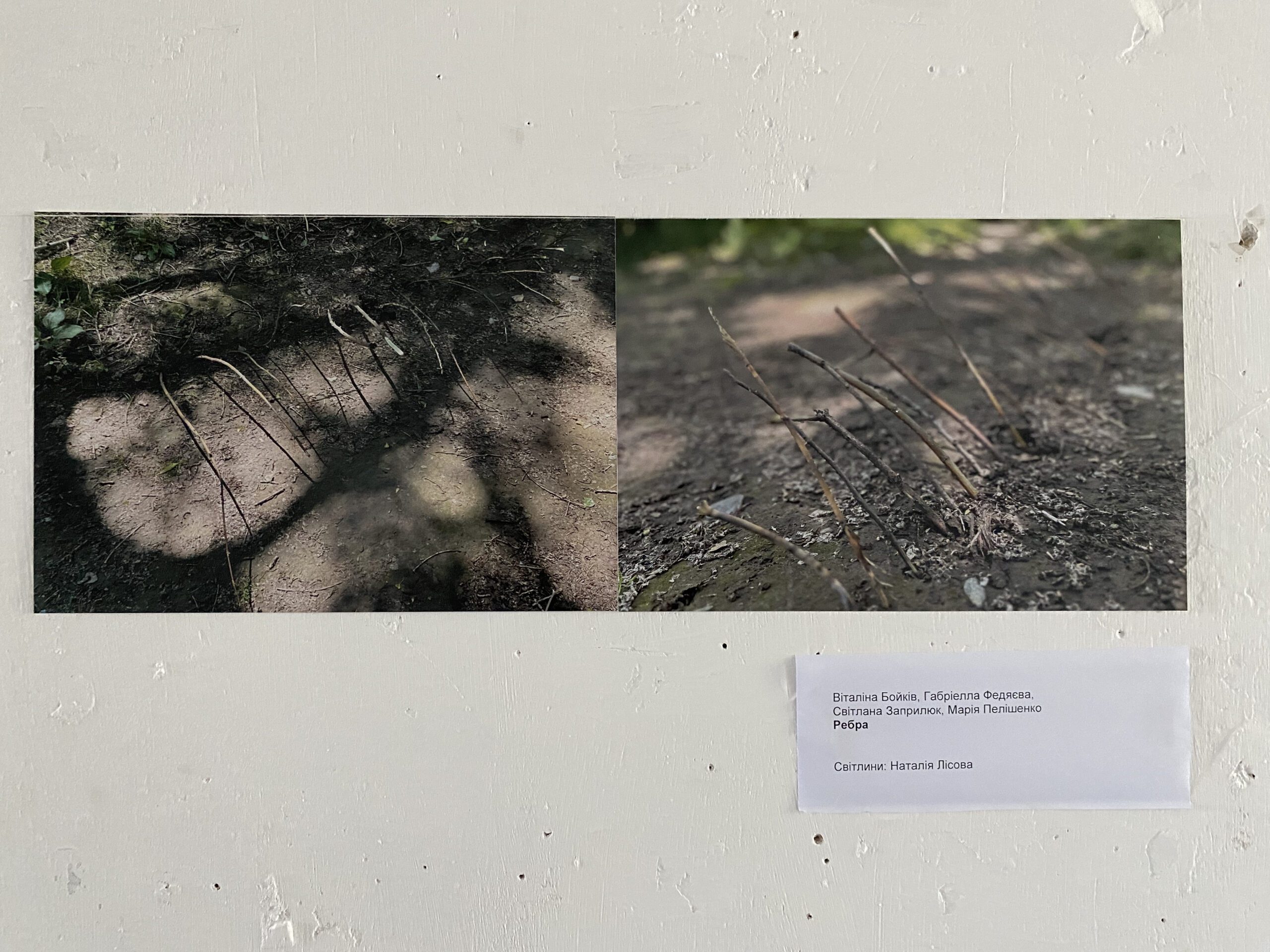
View of the exhibition:
Mykhailo Melnychenko “Dedication to Viktor Pokydanets”, object
Exhibition documentation:
Photo credit Petro Ryaska
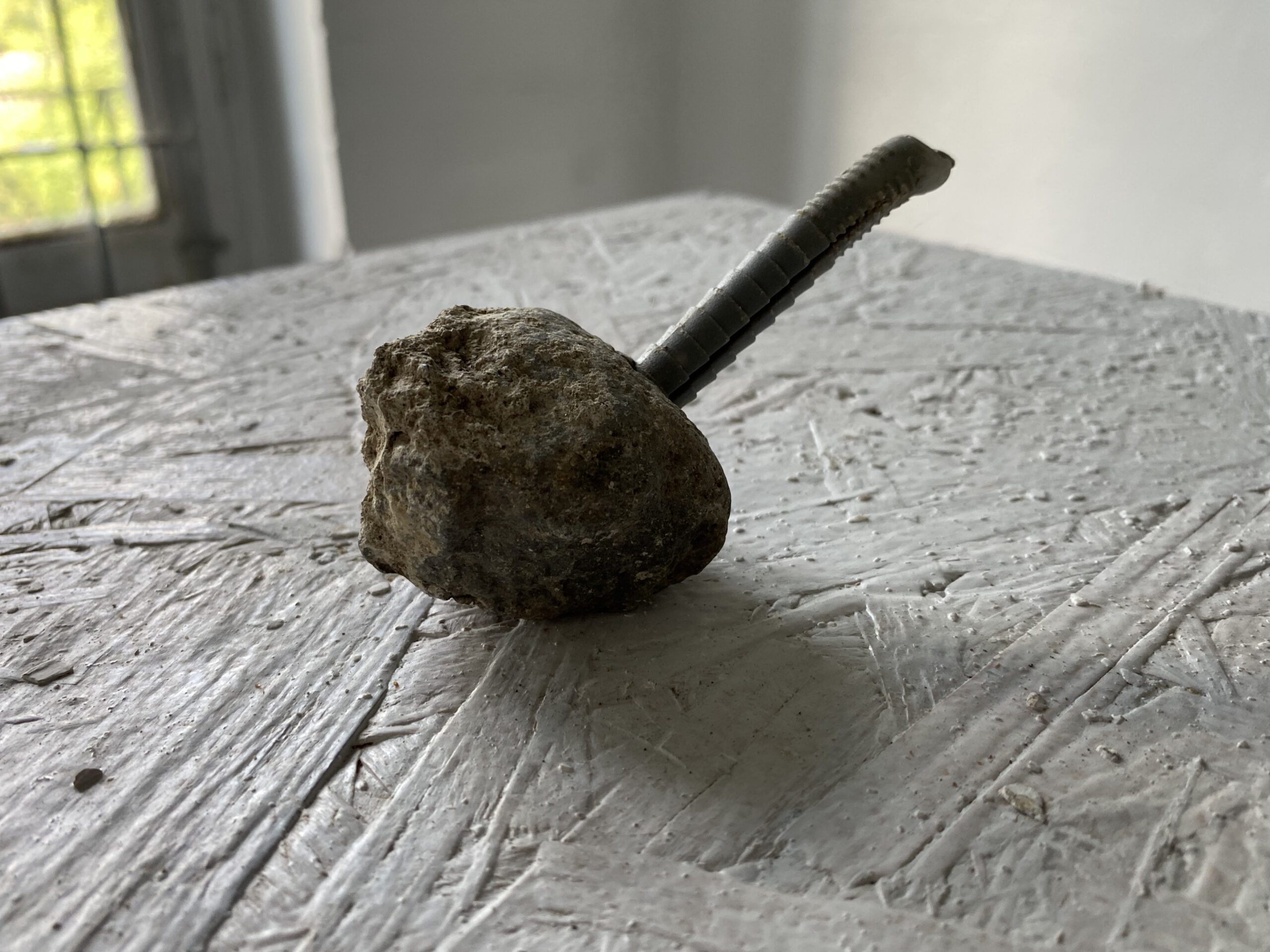
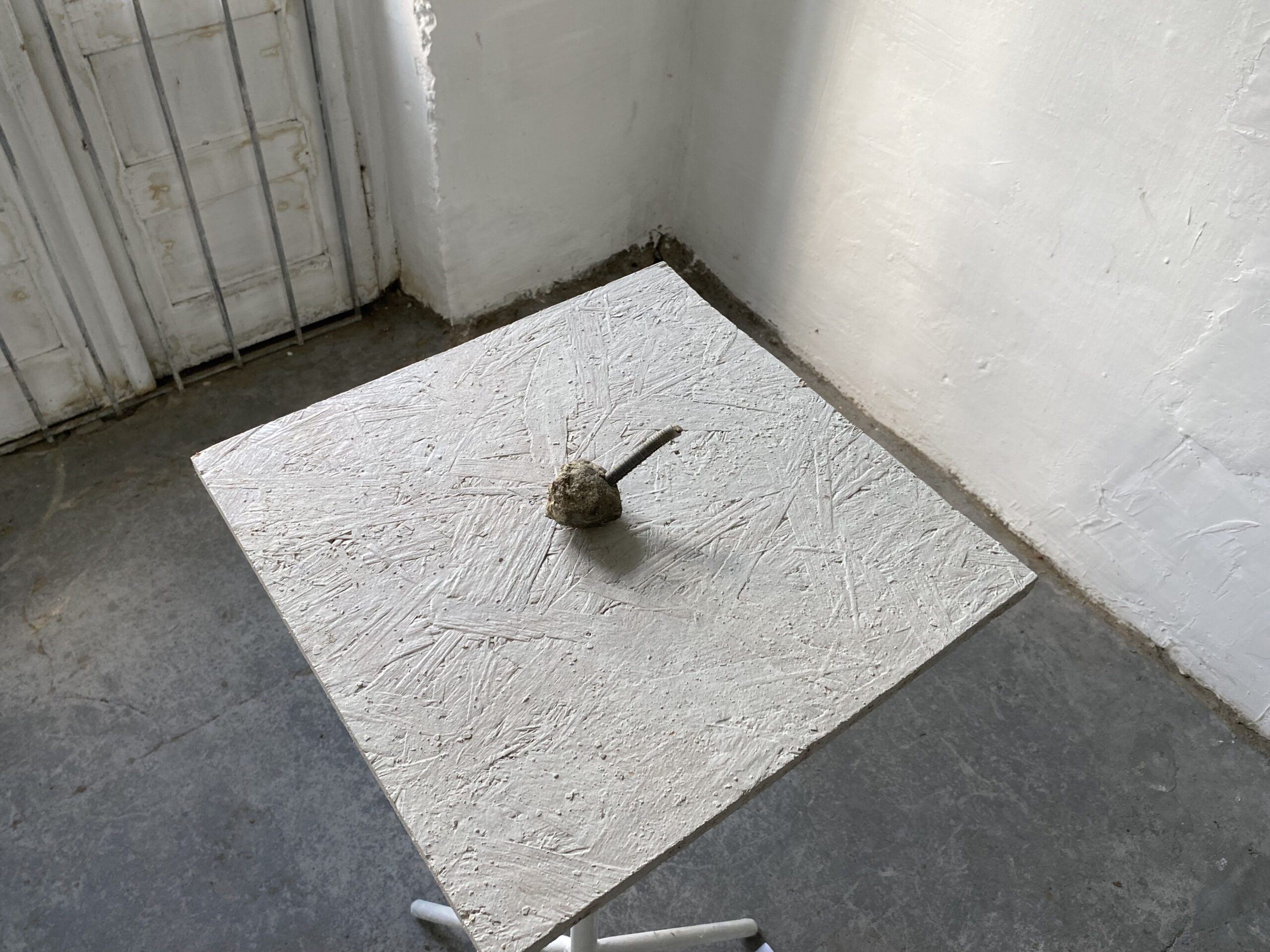
View of the exhibition:
Activities on Naberezhna Nezalezhnosti, Uzh. Petro Ryaska, Maryna Malyutina, Sofia Holubeva, Pavlo Fuley.
Exhibition documentation:
Photo credit Petro Ryaska
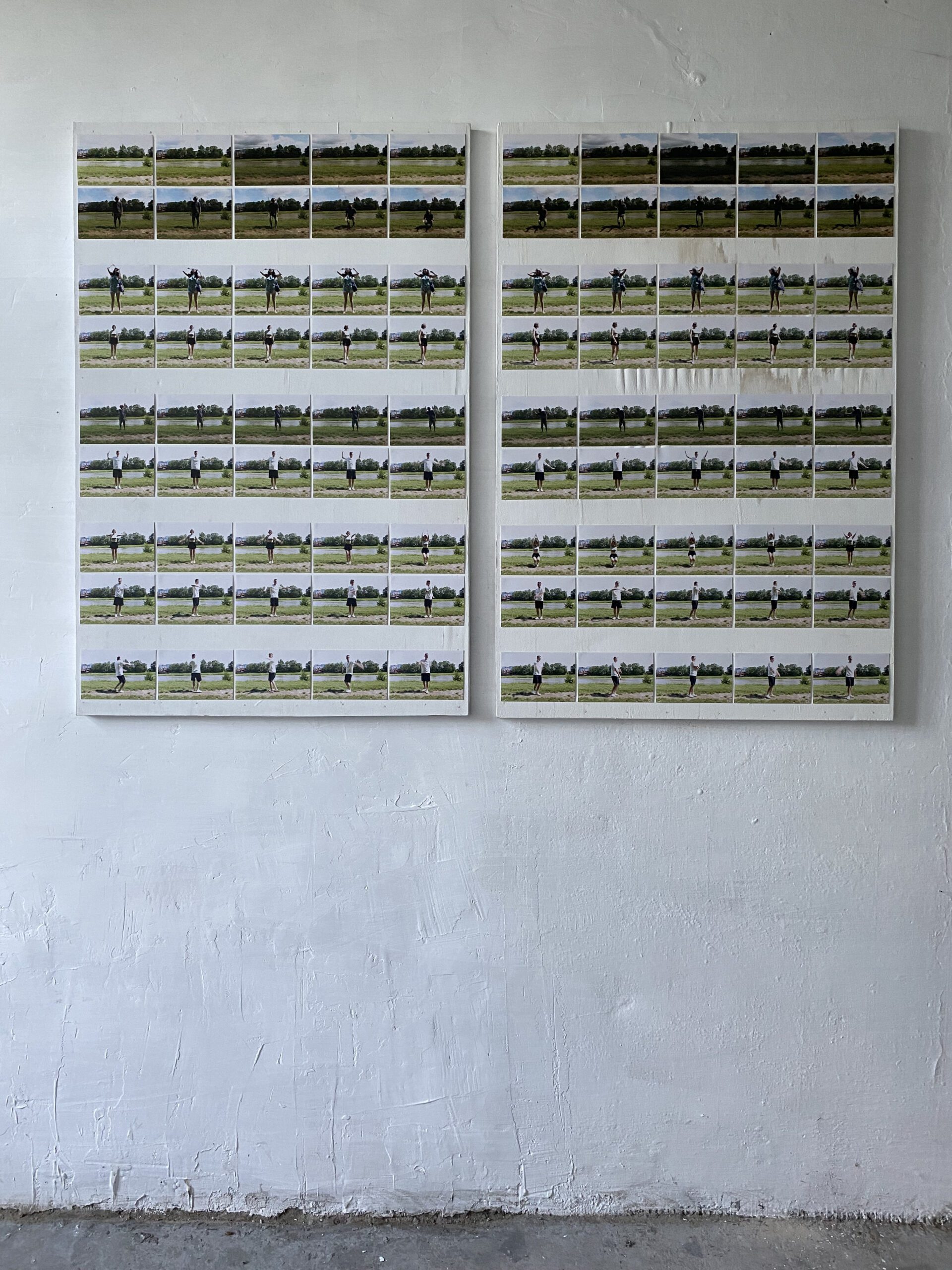
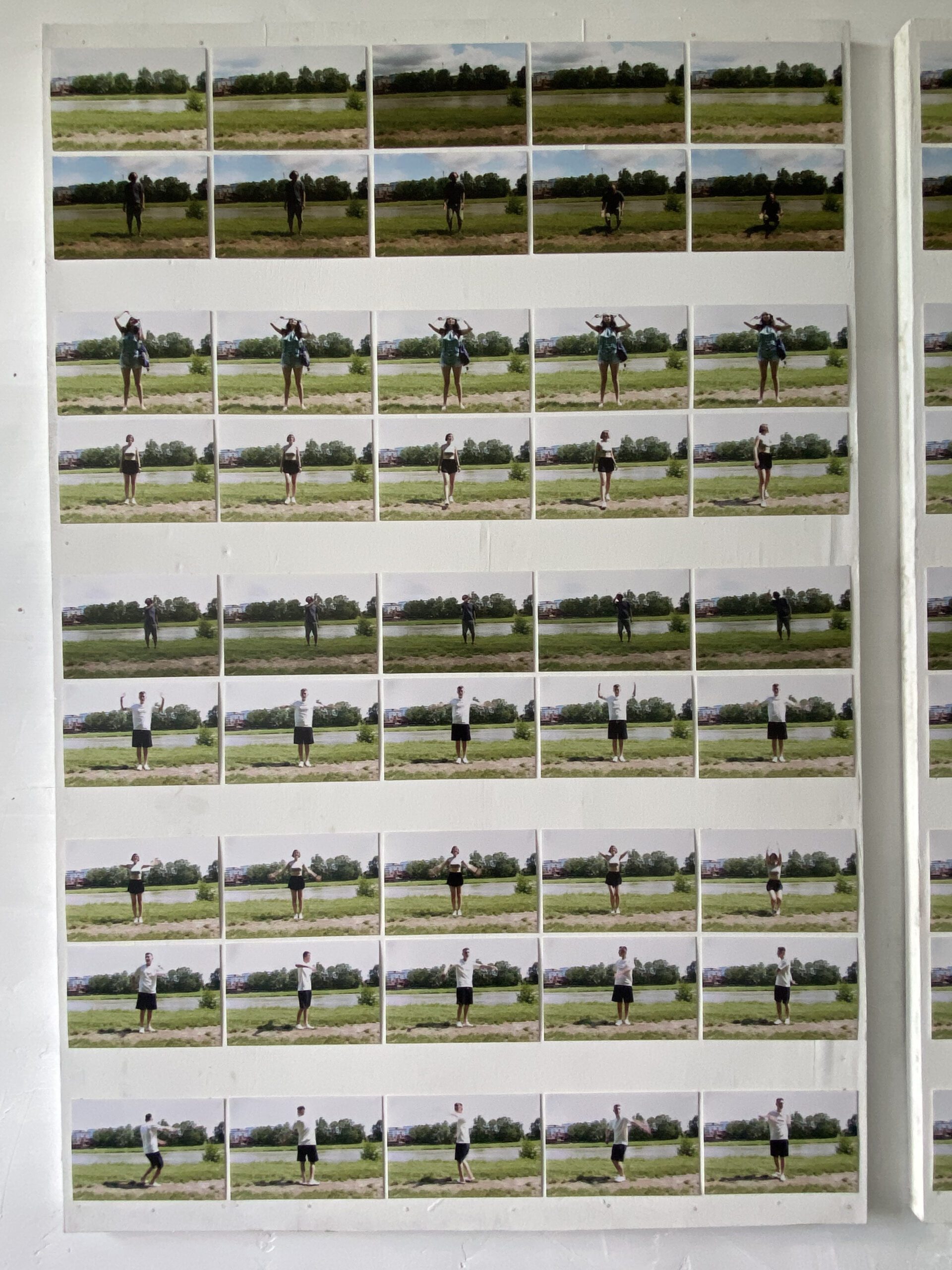
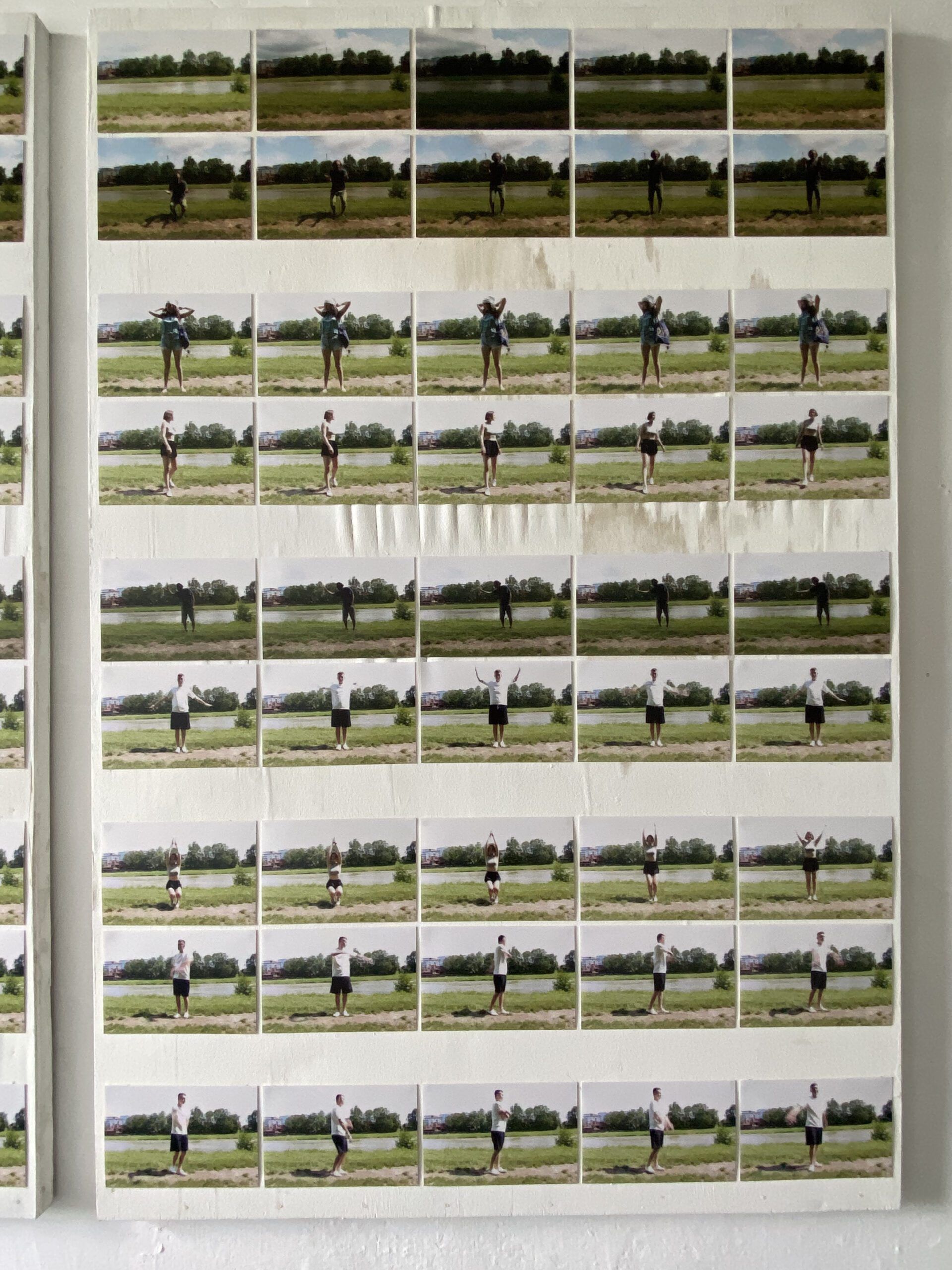
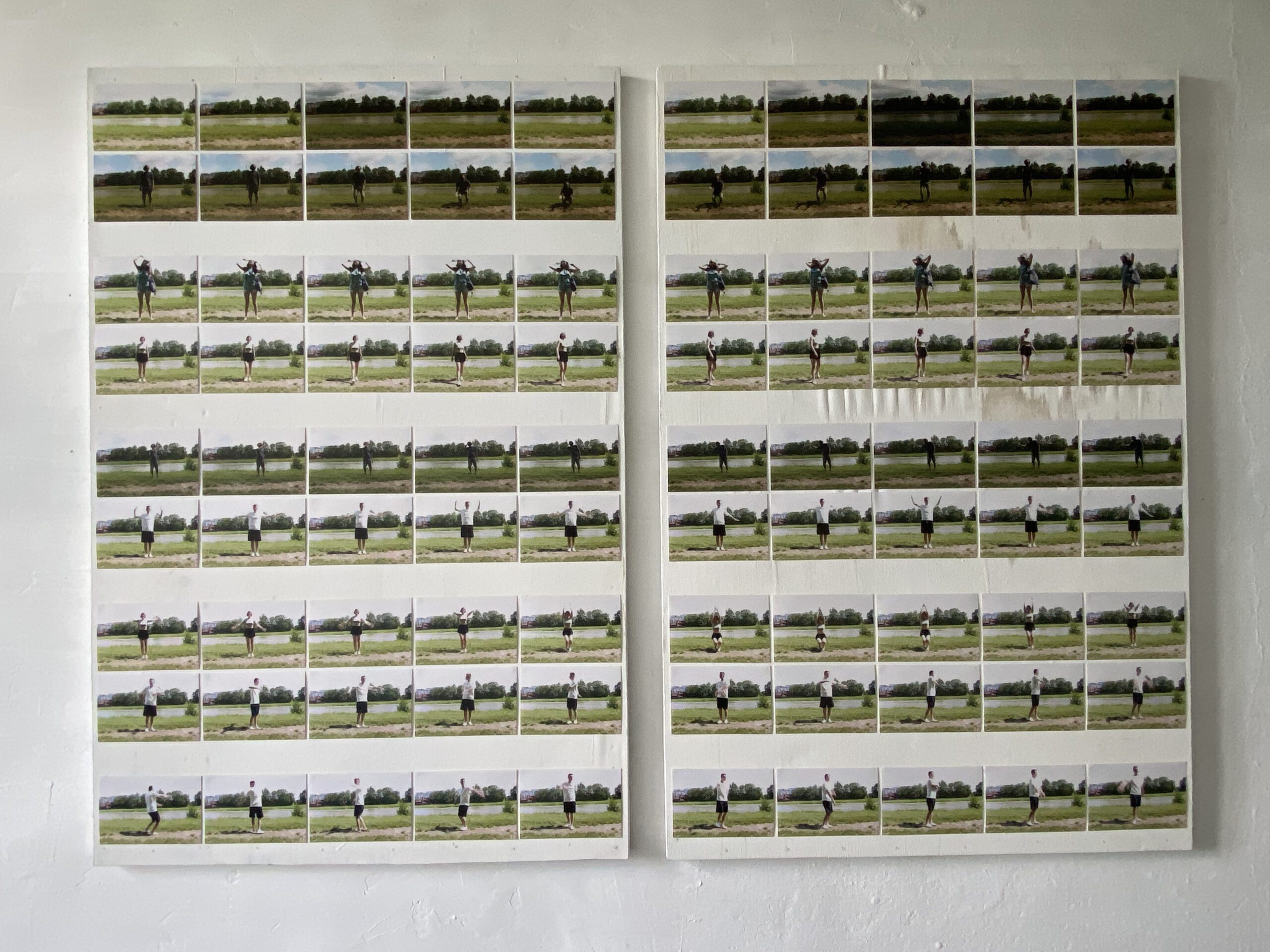
View of the exhibition:
Raivis Kapilinskis
Giving up strong
Credit of photos exhibited at the exhibition: Maryna Malyutina
Exhibition documentation:
Photo credit Petro Ryaska
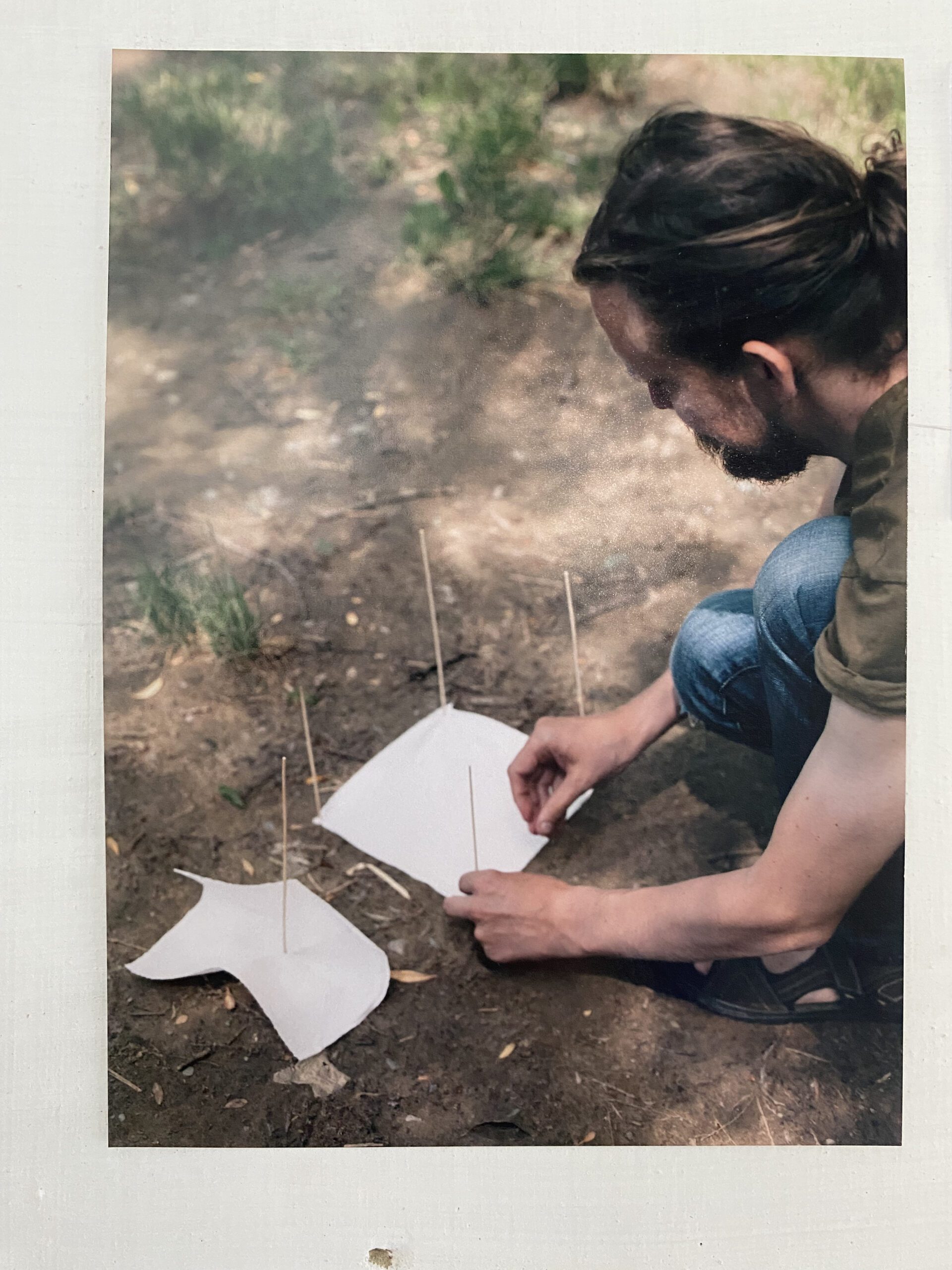
View of the exhibition:
Sofia Holubeva
Embroidery / Vyshyvanka
Credit of photos exhibited at the exhibition: Maryna Malyutina
Exhibition documentation:
Photo credit Petro Ryaska
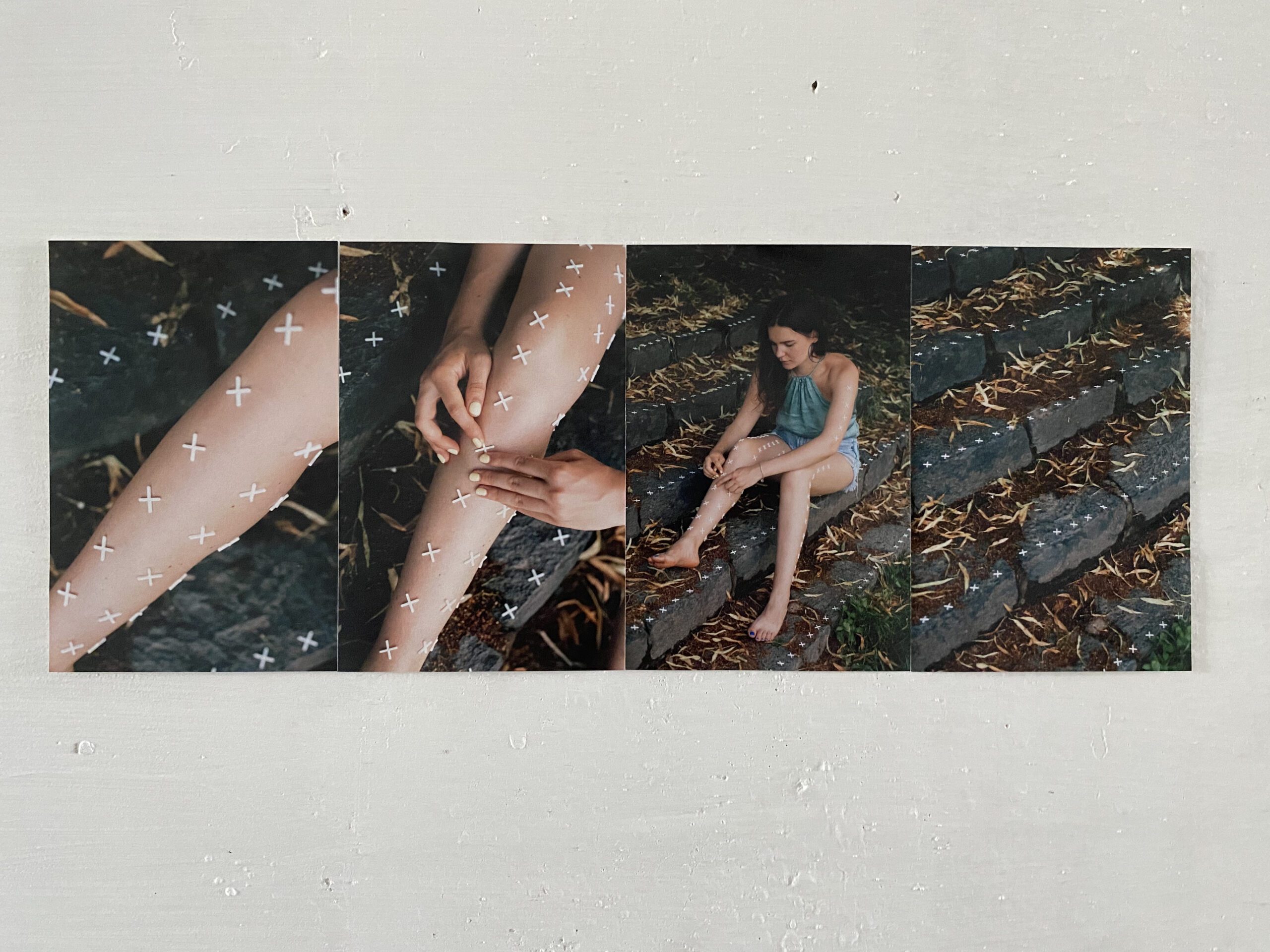
View of the exhibition:
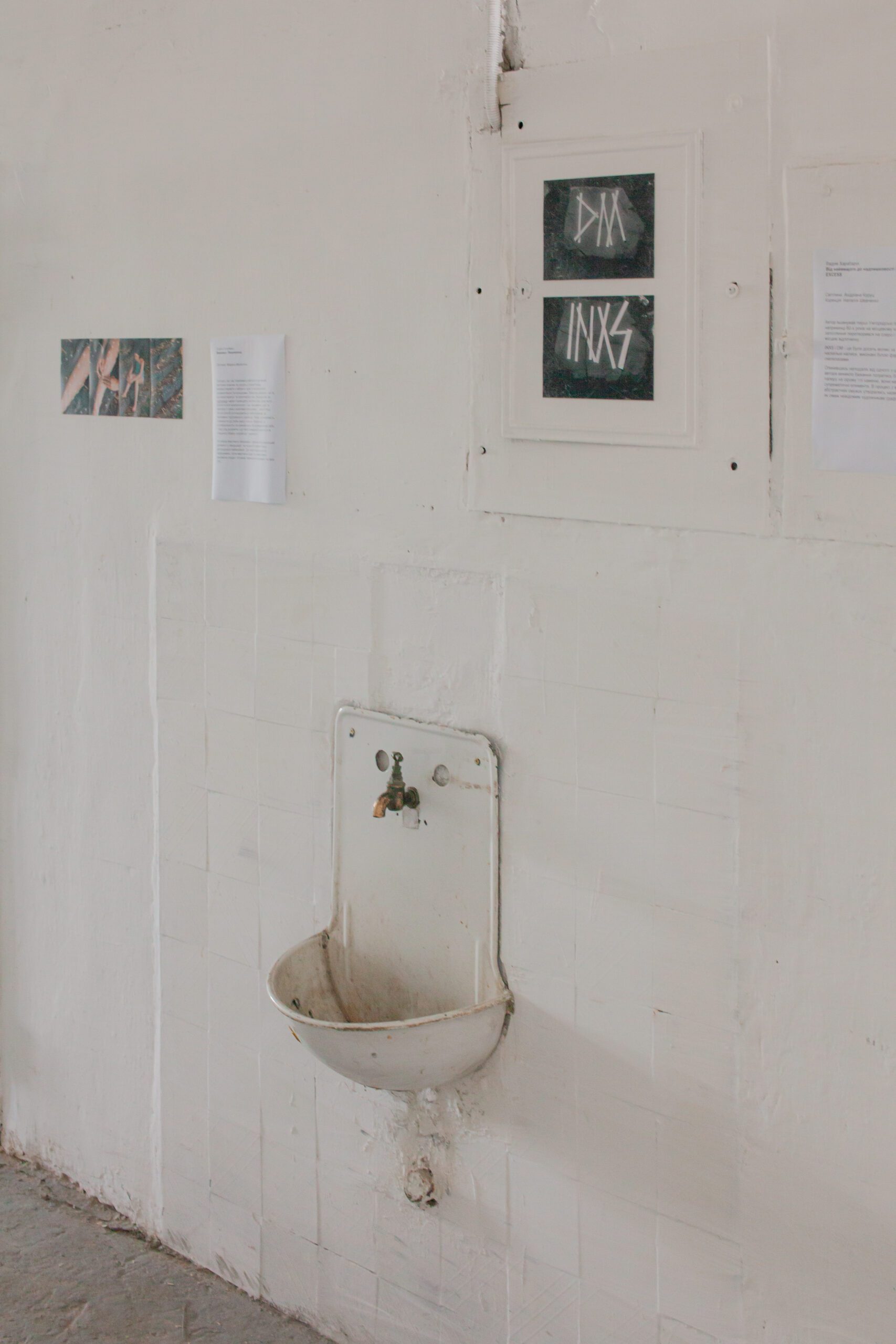
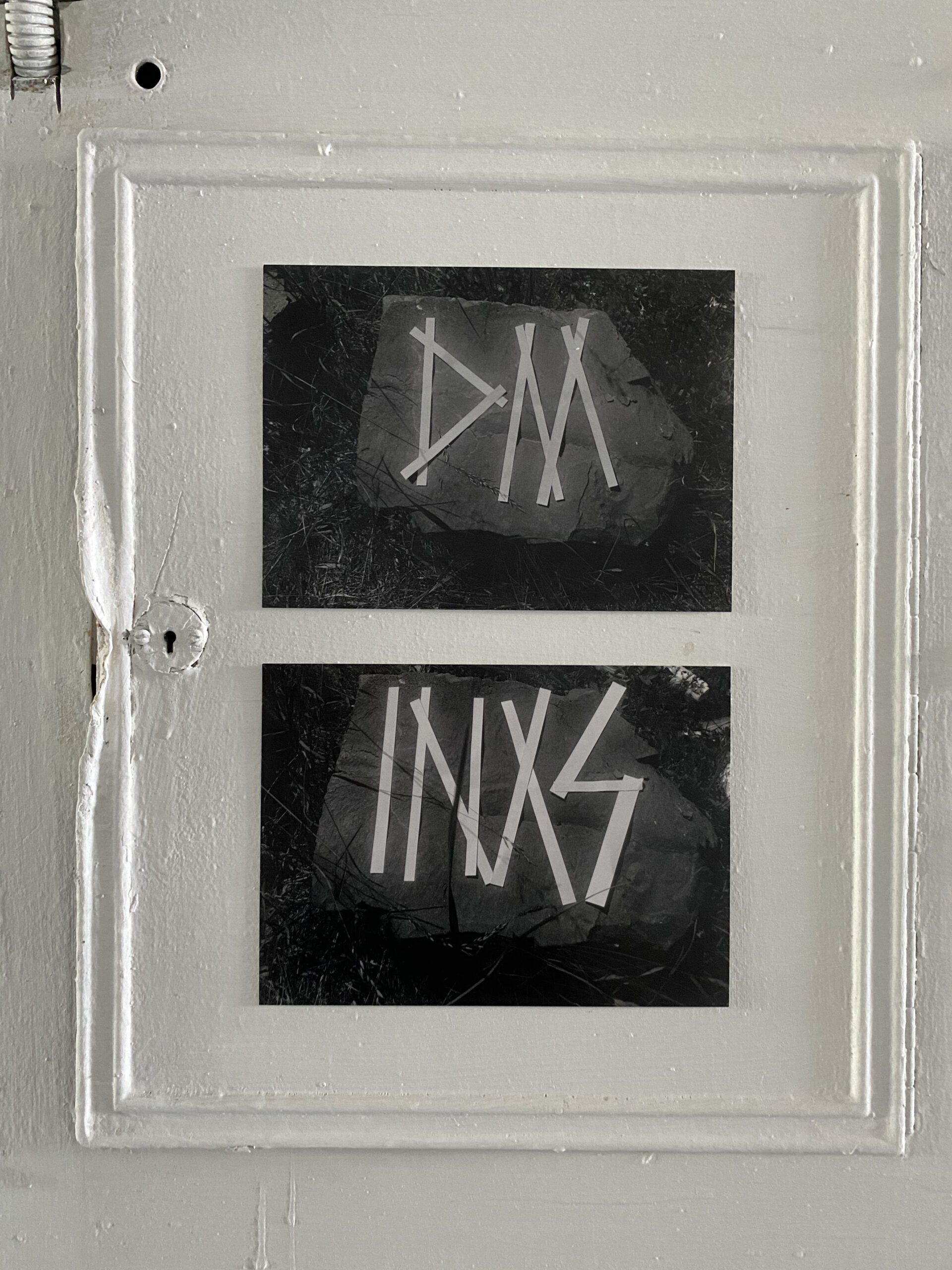
Vadim Harabaruk
From the highest to excess / SUPREMUS IN EXCESS
Photos: Andriana Kuruts
Correction: Natalia Shevchenko
Exhibition documentation:
Photo credit: 1 – Mykhailo Melnychenko; 2- Petro Ryaska
Natalia Lisova’s residence and the Group Exhibition were made possible thanks to the support of:
European Cultural Foundation
The beaux-arts Academy in Paris
Partnership: Korydor Gallery