
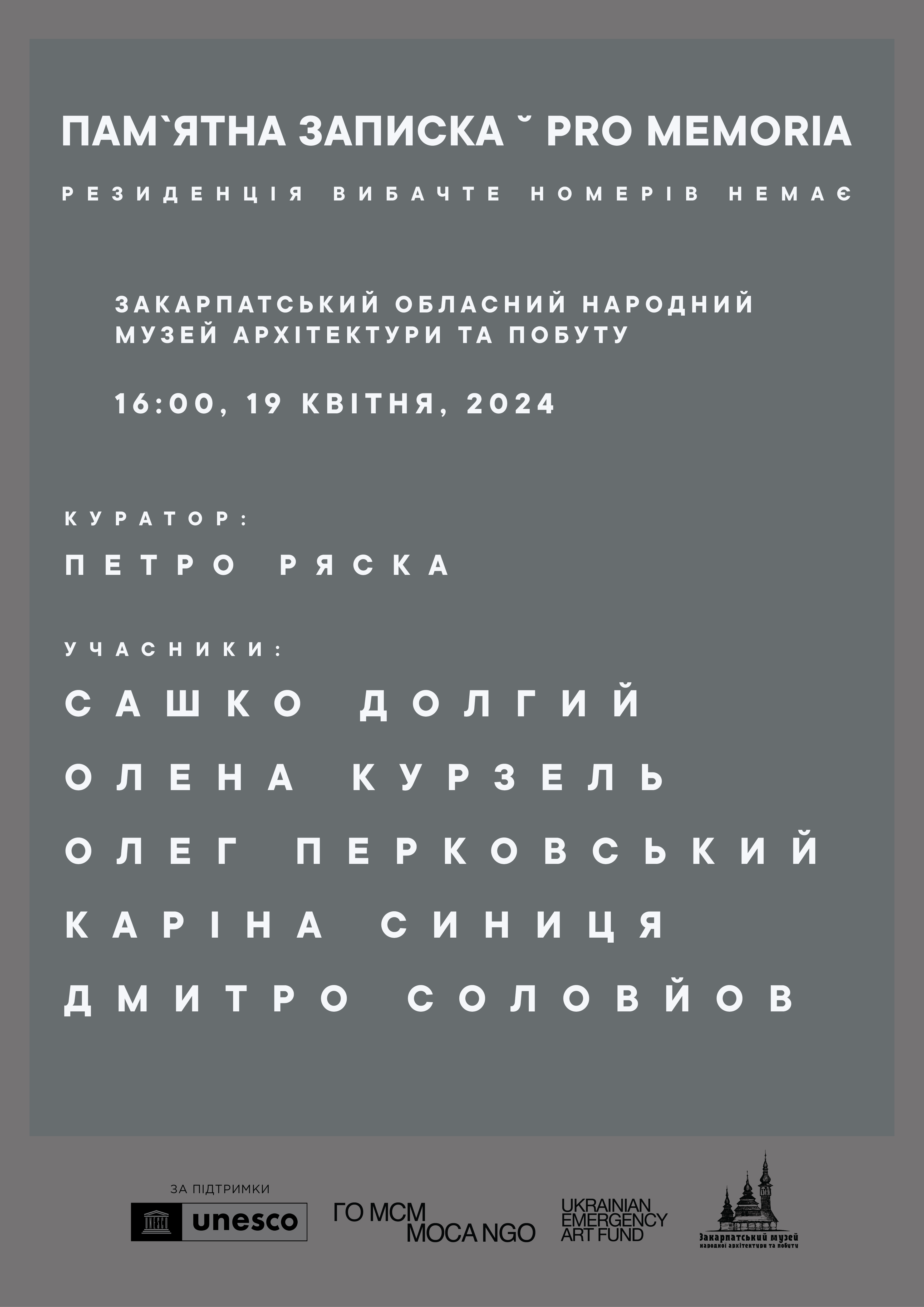
Пам’ятна записка / Pro memoria
Residence Sorry No Rooms Available
Transcarpathian Regional People’s Museum of Architecture and Life, April 19 – May 1, 2024,
Curator: Petro Ryaska
Participants:
Sashko Dolhyi
Olena Kurzel
Oleh Perkovskyi
Karina Synytsia
Dmytro Soloviov
What should be the role of culture and art during the Russian-Ukrainian war, when there are many millions of forcibly resettled Ukrainian citizens, when cities in Ukraine disappear as a result of Russian bombings, Ukrainian culture and people are destroyed, the question of life and, in particular, places of residence is raised in some vague but important form of aspiration. The project includes attempts to understand the history of urban planning and state-building aspects through art, images of tangible and intangible cultural heritage. In particular, what to do with the cultural heritage, which was built during a traumatic period in the history of Ukraine. Does this legacy have historical, cultural and economic value? How to look at architecture and whether architecture and monuments can speak for themselves, remaining a witness to history. The attempt of cultural intervention of traumatic historical and cultural objects in the modern humanistic context makes it possible to create a museum of history. Preserve the value of the critical memory of history and deprive the material cultural visual heritage of the propaganda content of the colonial imperial past. The project raises the difficult question of how to look at the history and preservation of cultural heritage from a historical, social, and cultural point of view from the perspective of the reality of today’s military expansion of russia against Ukraine.
Sorry No Rooms Available Residence project is supported as part of the (re)connection UA 2023/24 program, implemented by the NGO “Museum of Contemporary Art” and the Ukrainian Emergency Art Fund (UEAF) in partnership with UNESCO and financed through the UNESCO Emergency Heritage Fund.
The (re)connection UA 2023/24 program is aimed at restoring ties between artists and their audiences, supporting artists as actors in preserving the cultural identity of Ukraine, implementing new approaches to the culture of memory, strengthening the stability and adaptability of institutions, communities, artists to the challenges of wartime.
#reconnectionua
Photo credits: Mykhailo Melnychenko – 1-10; Maryna Malyutina – 11
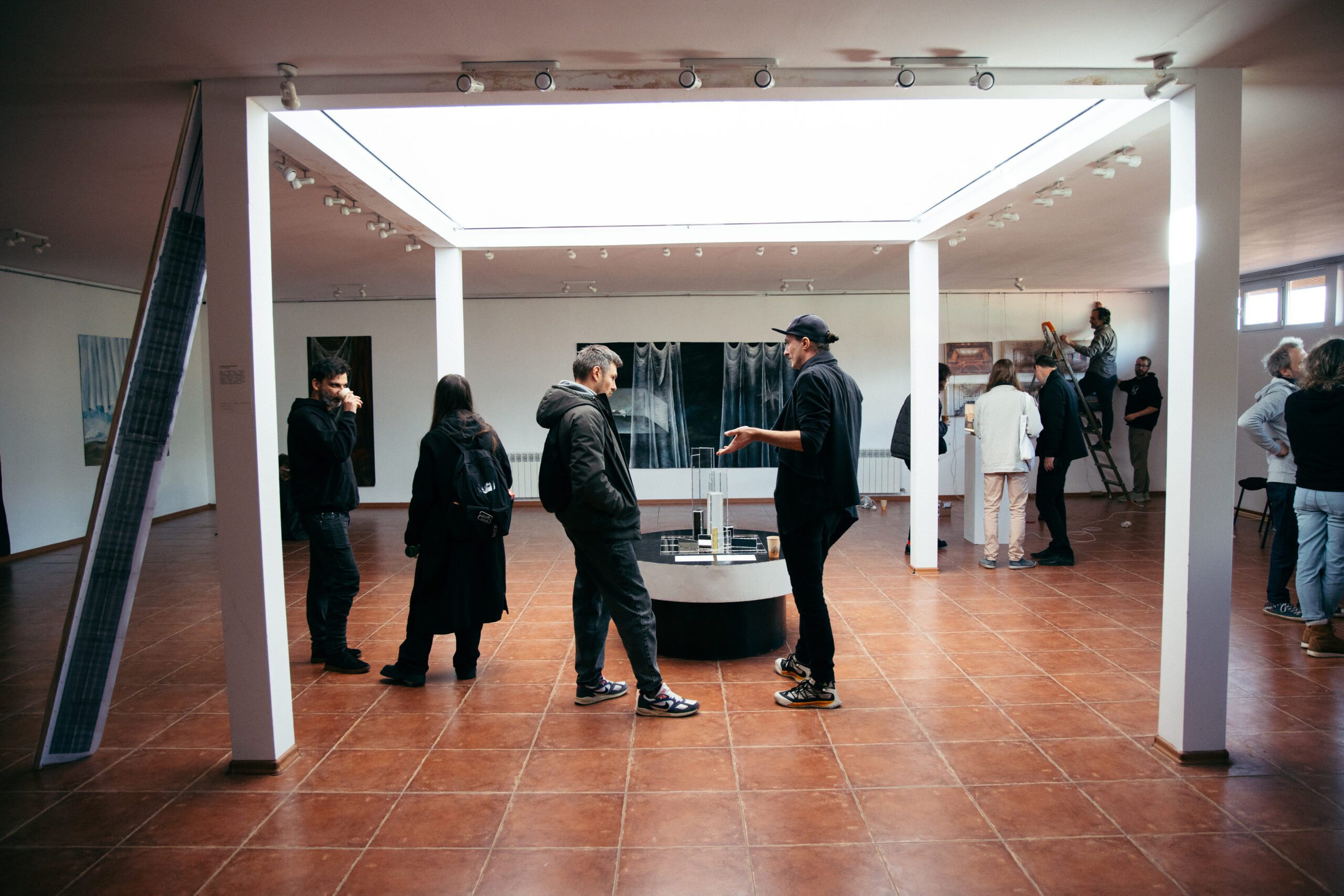
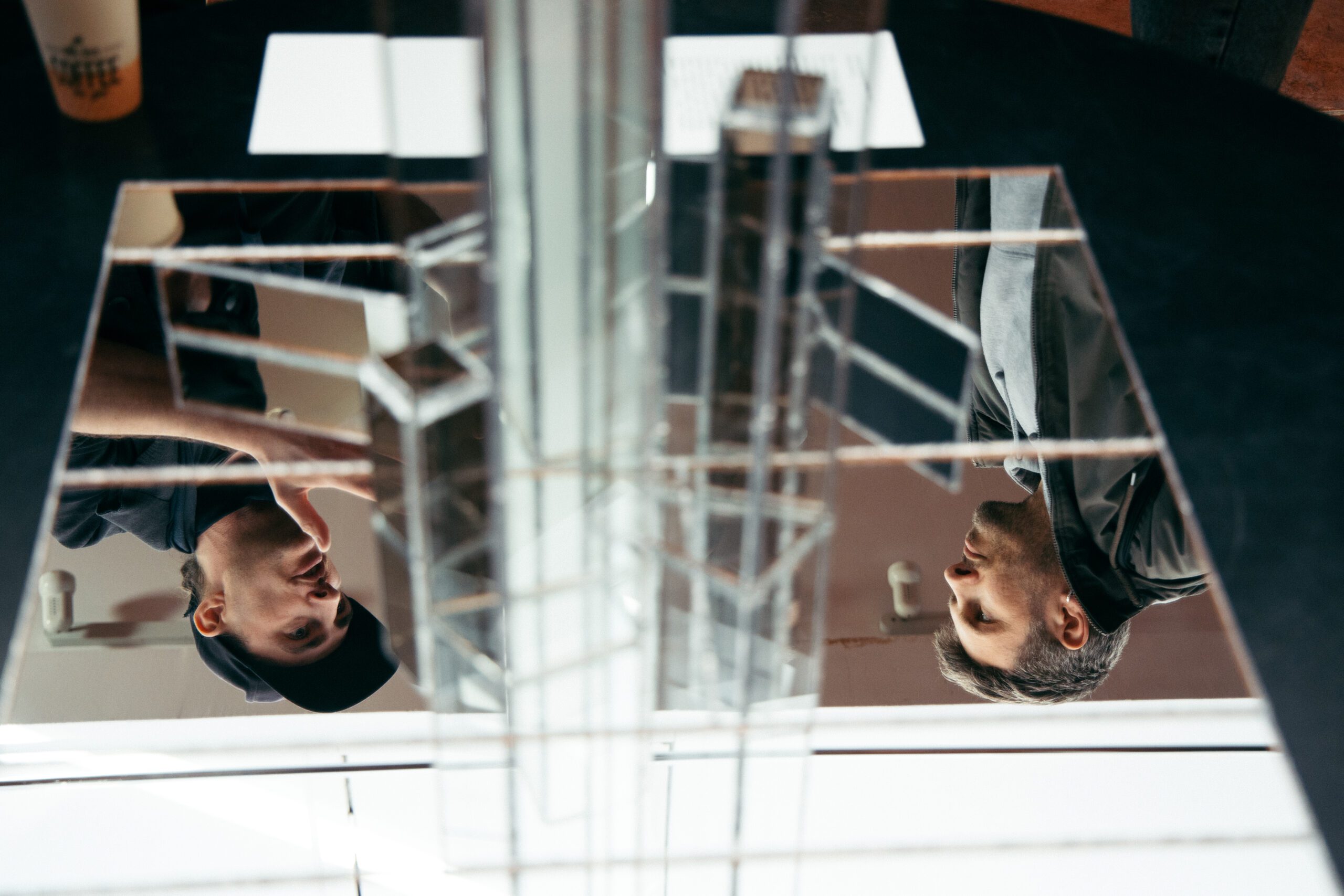
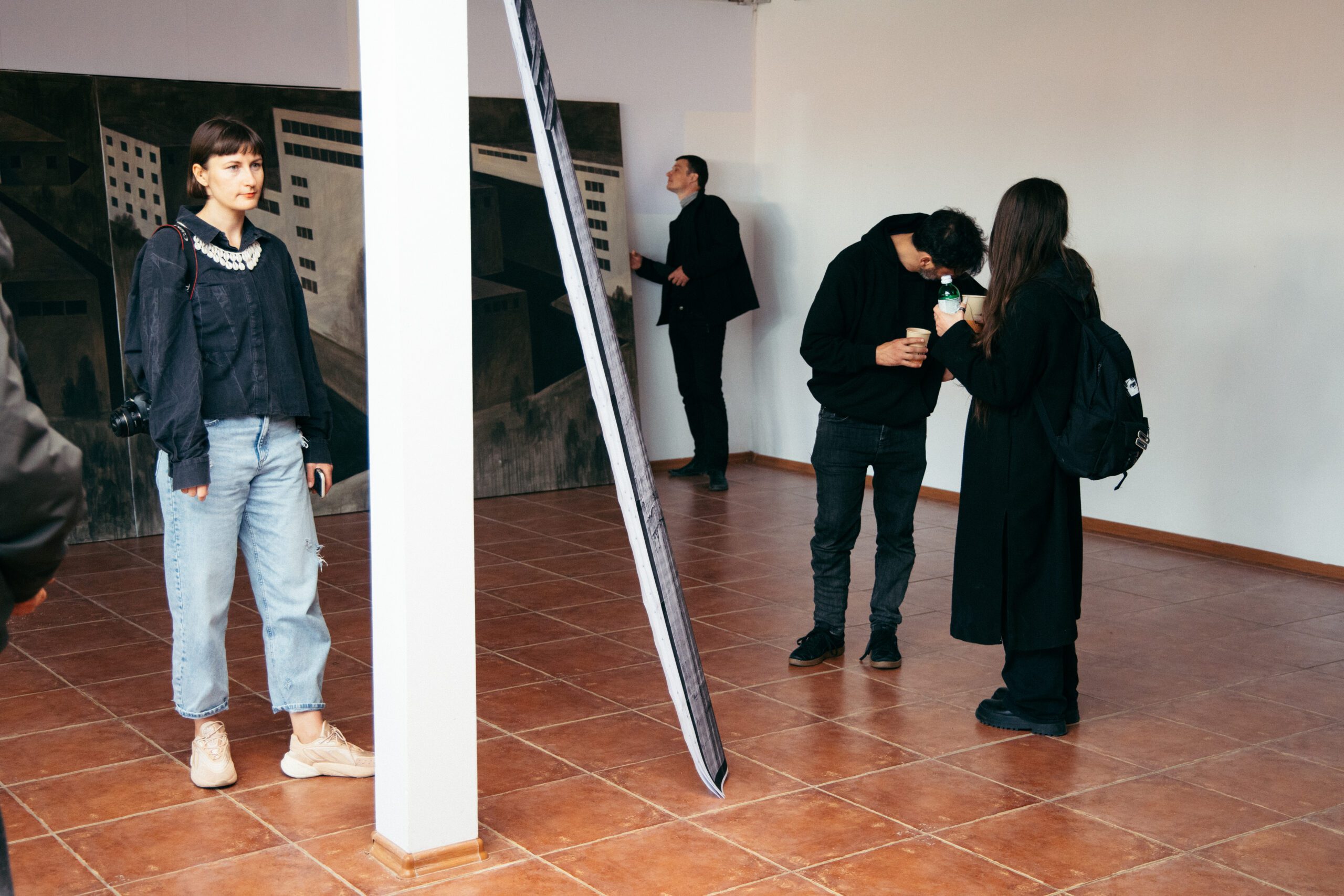
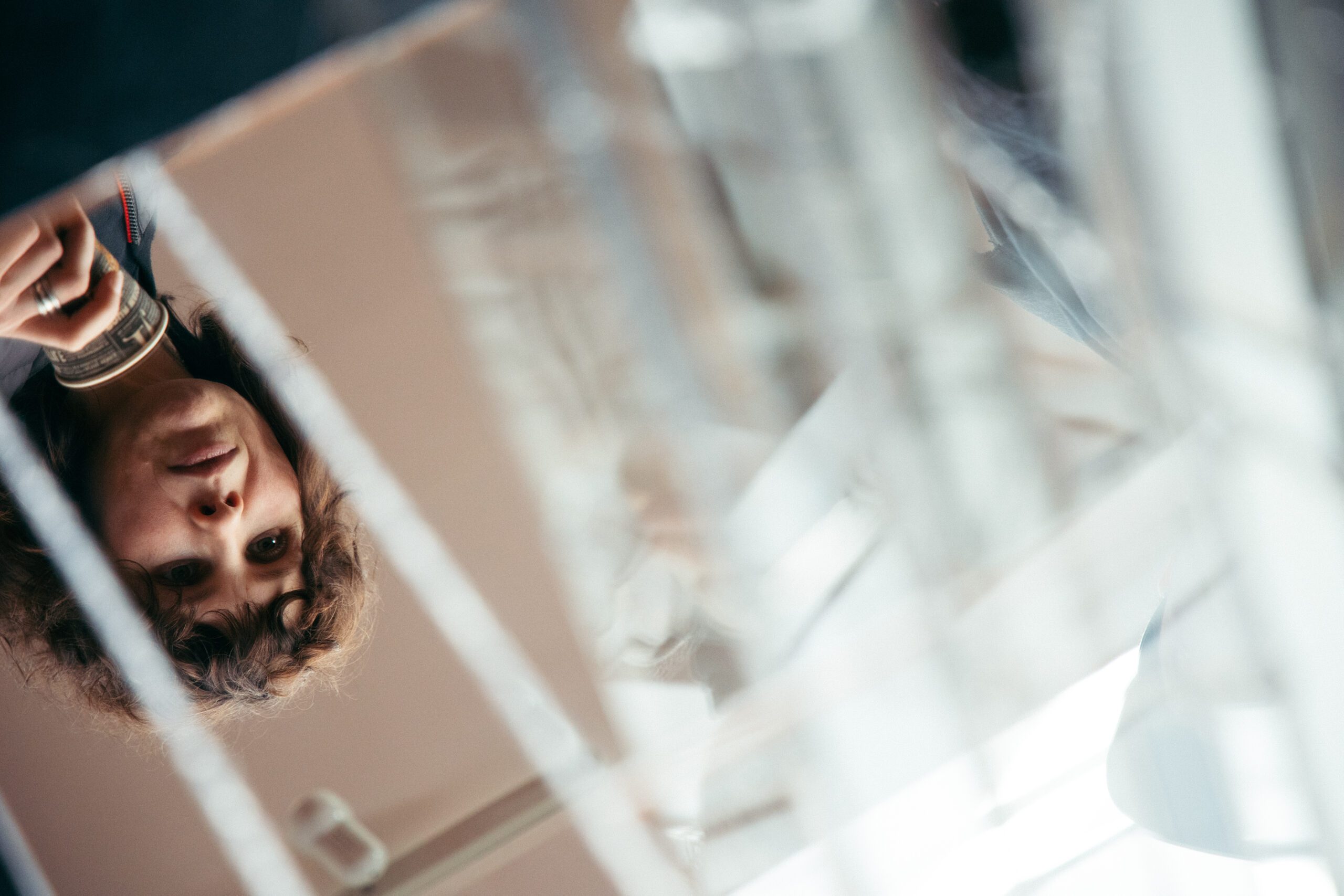
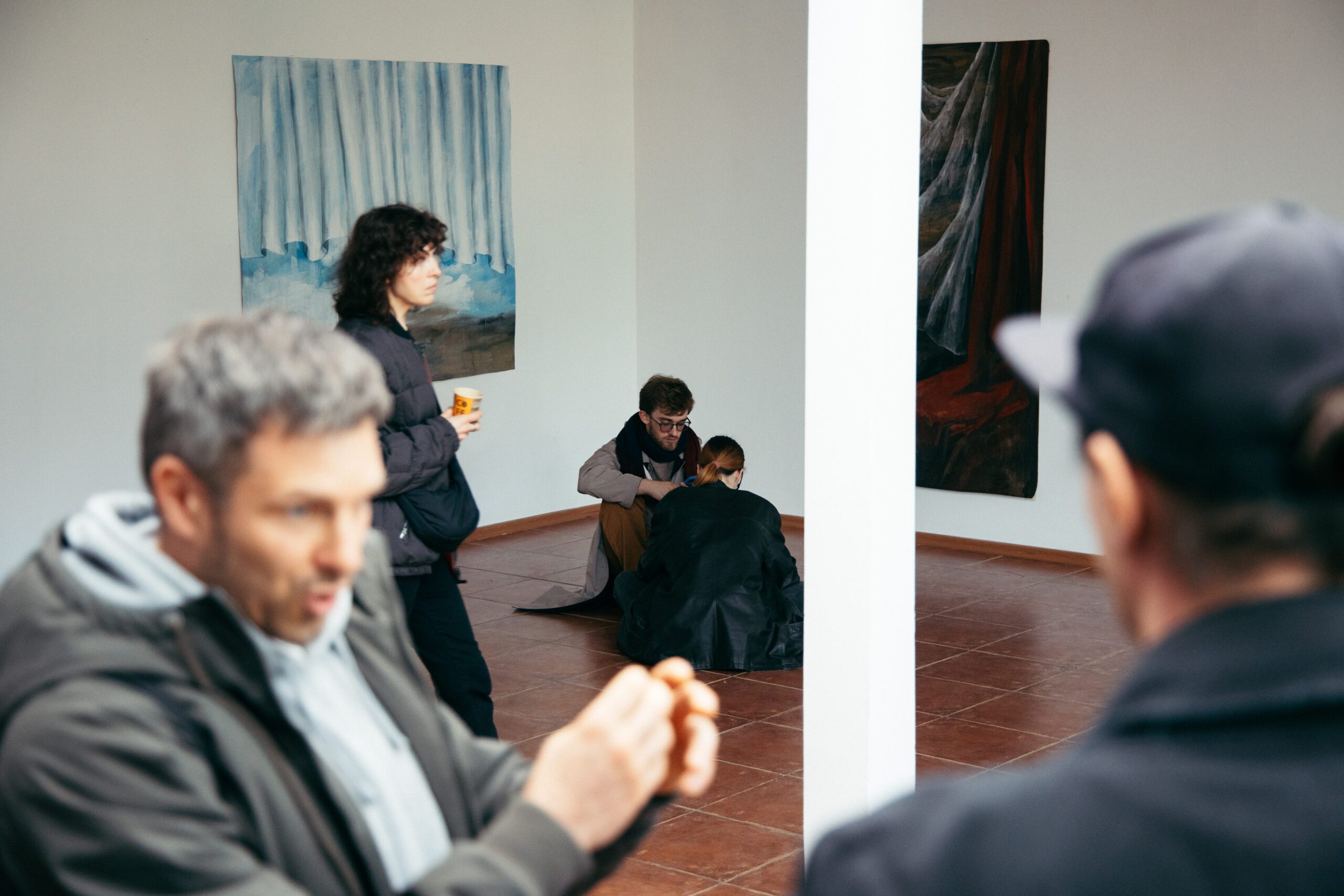
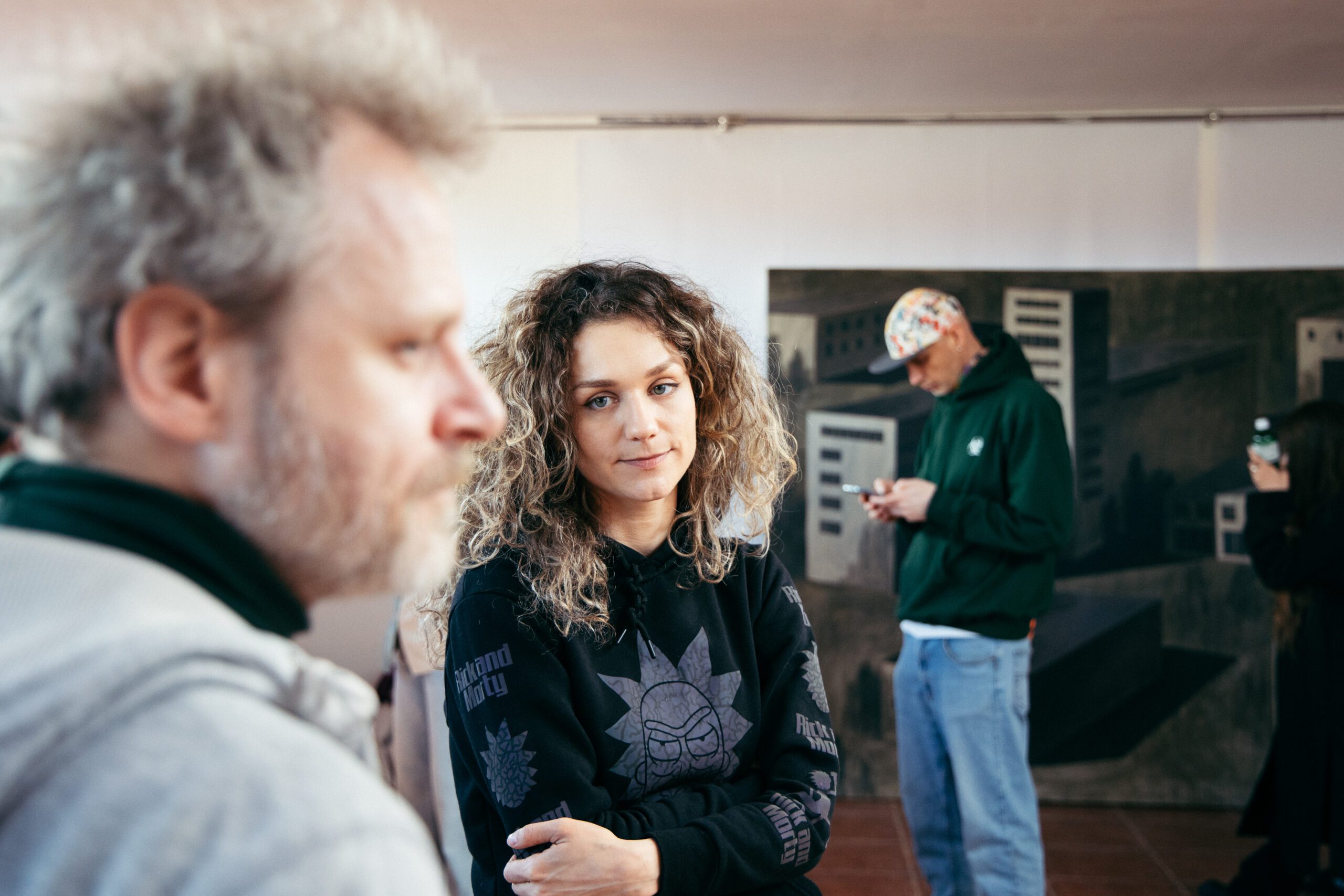
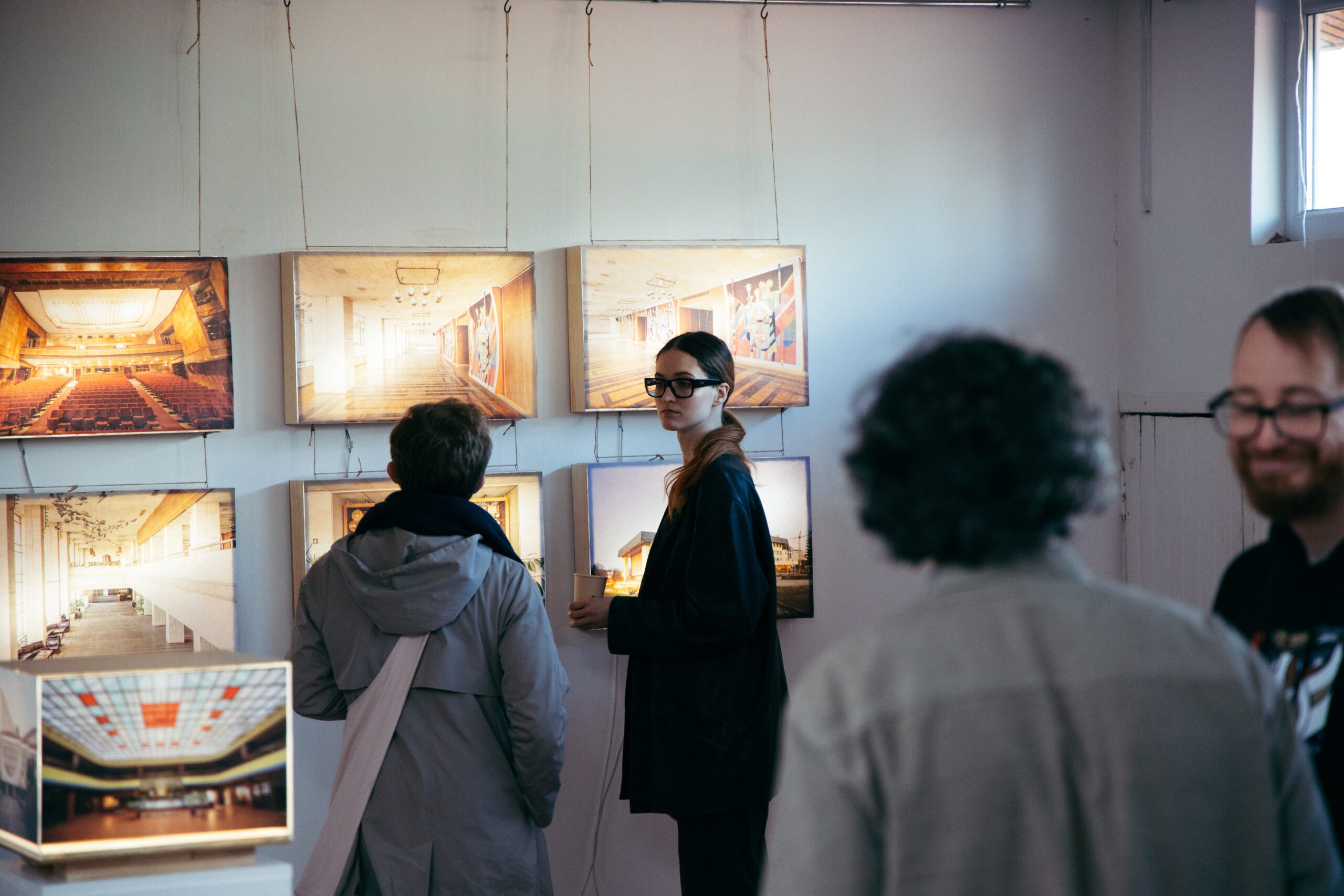
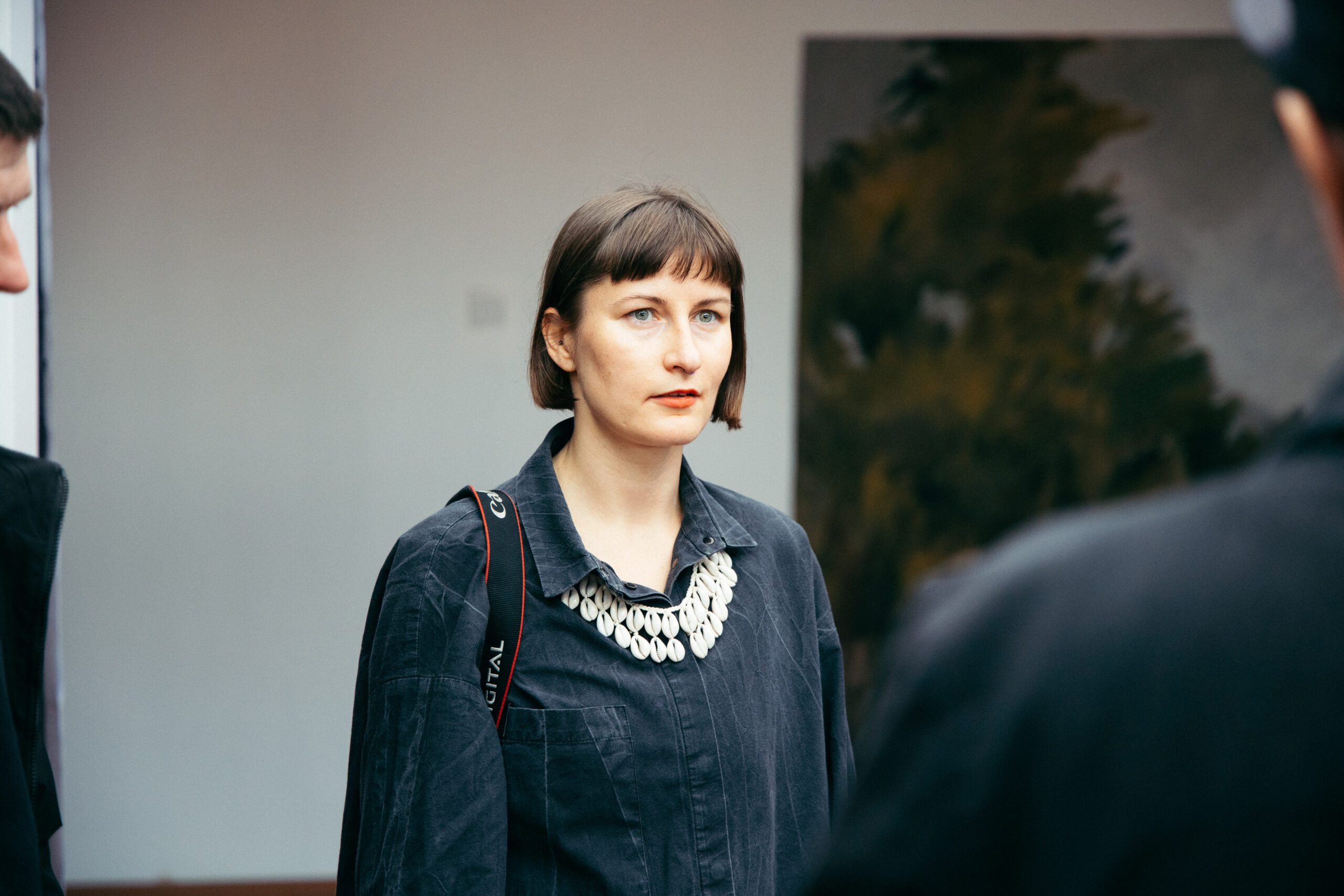
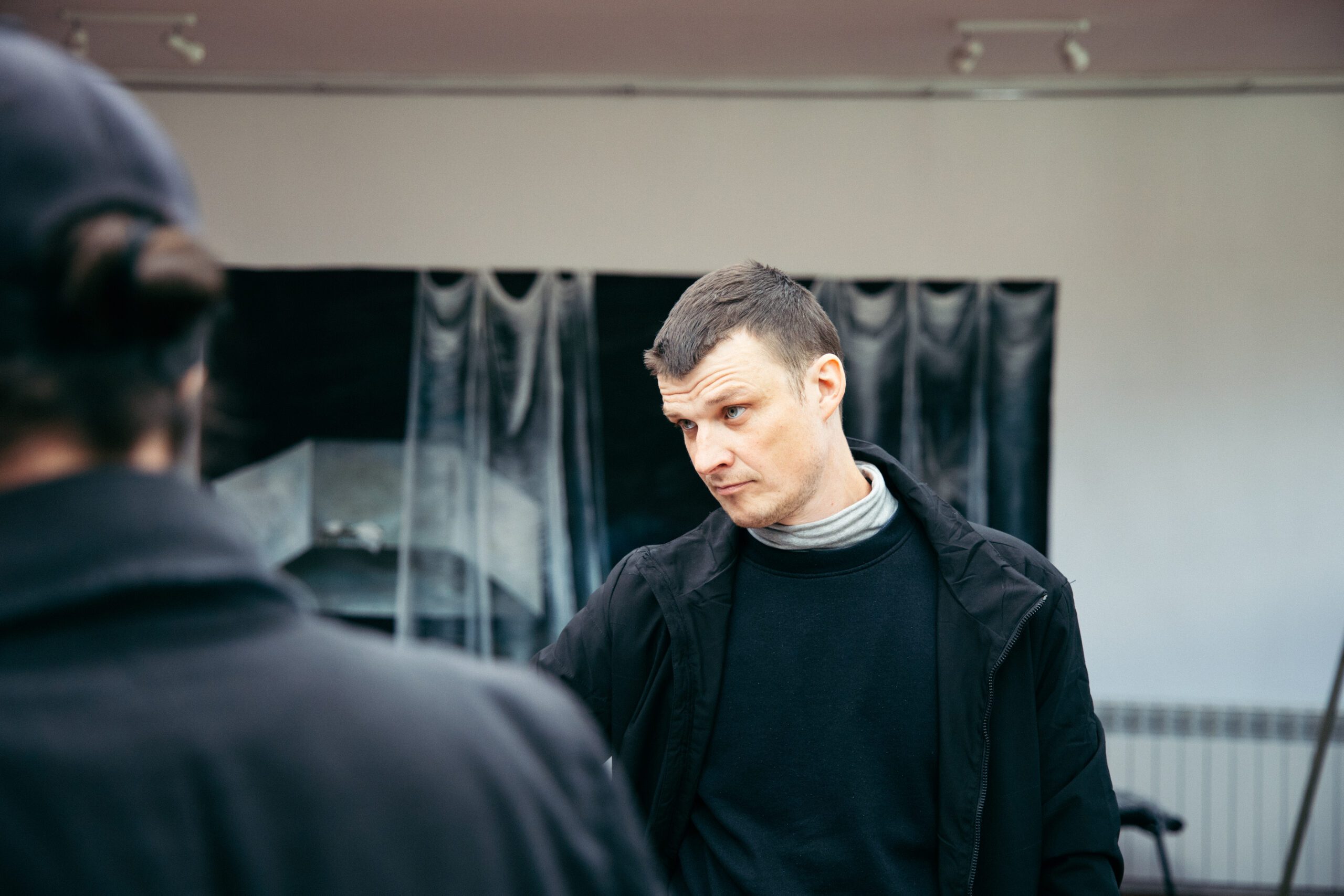
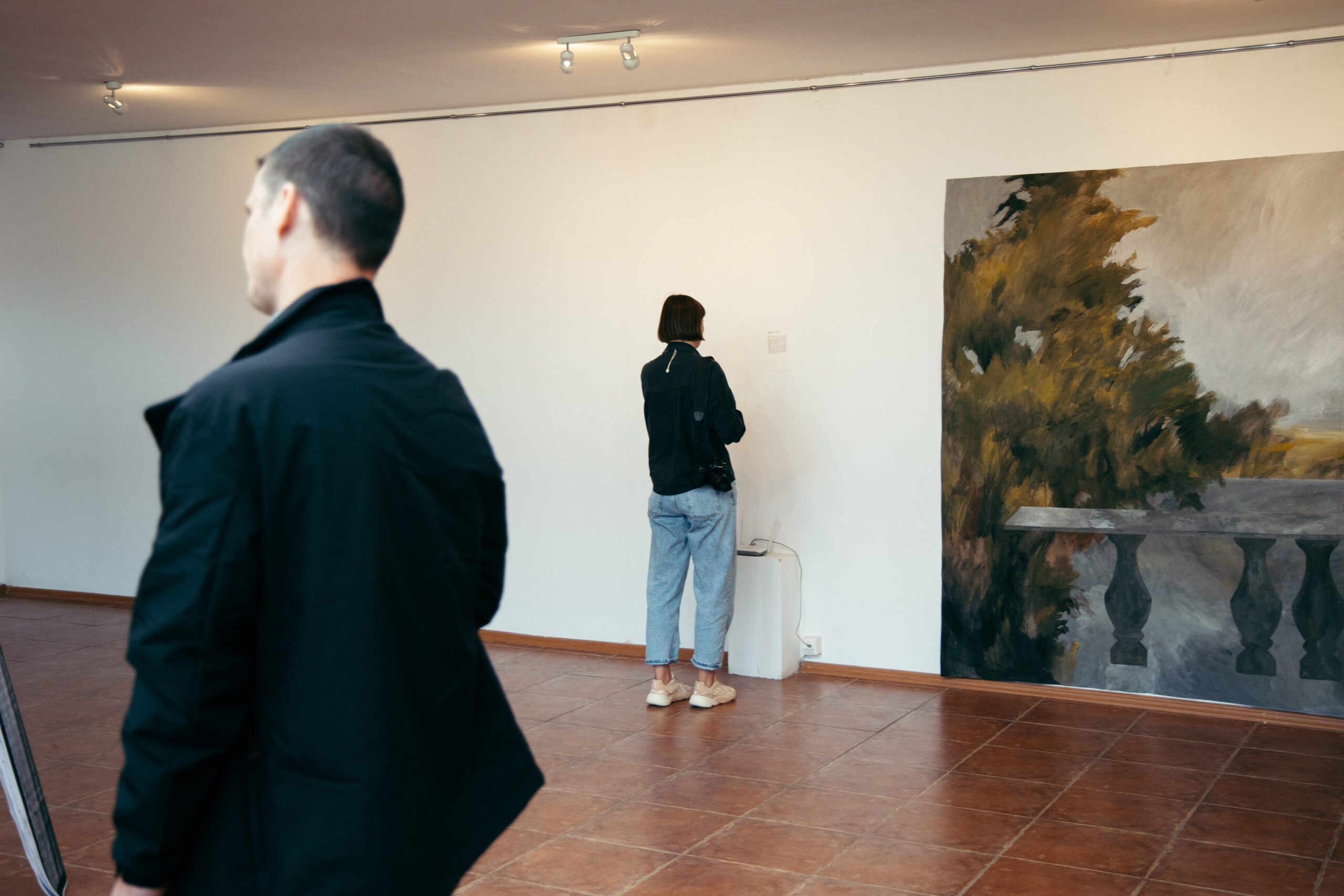
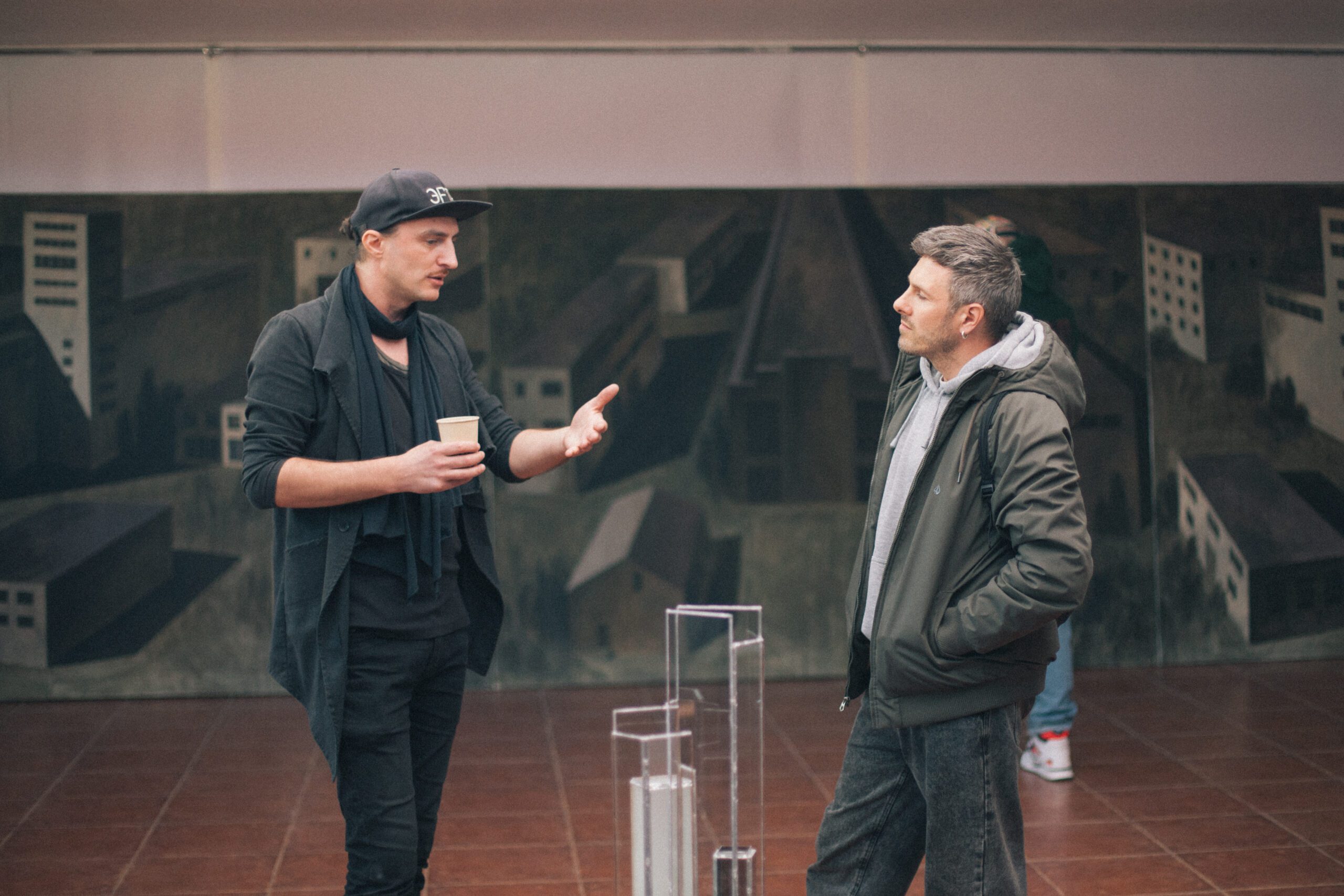
View of the exposition from the group exhibition “Пам’ятна записка / Pro memoria”. Residence Sorry No Rooms Available, Transcarpathian People’s Museum of Architecture and Life, April 19 – May 1, 2024. Curator: Petro Ryaska; Participants: Sashko Dolgiy, Olena Kurzel, Oleg Perkovskyi, Karina Synytsia, Dmytro Soloviov. Photo credit Mykhailo Melnychenko
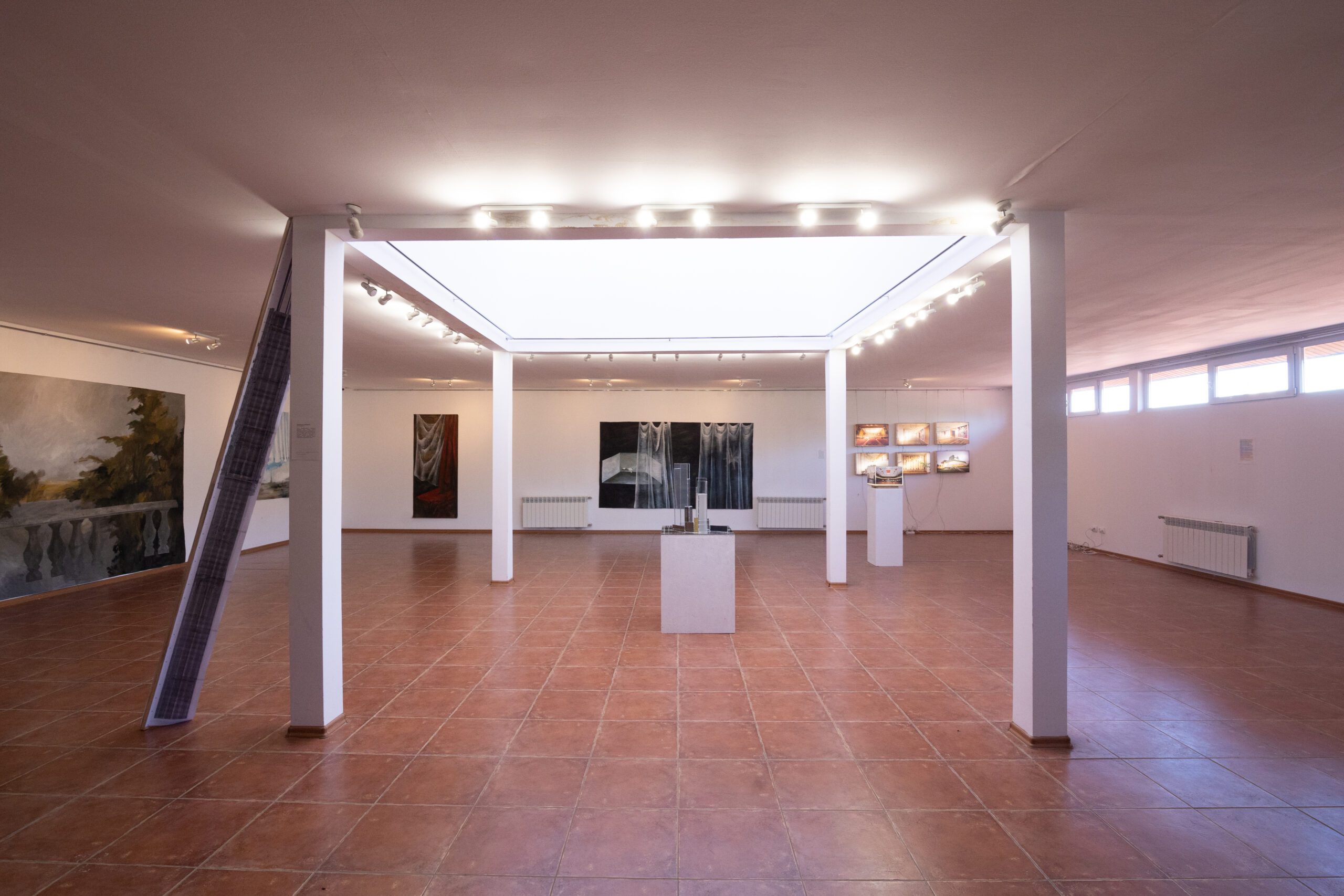
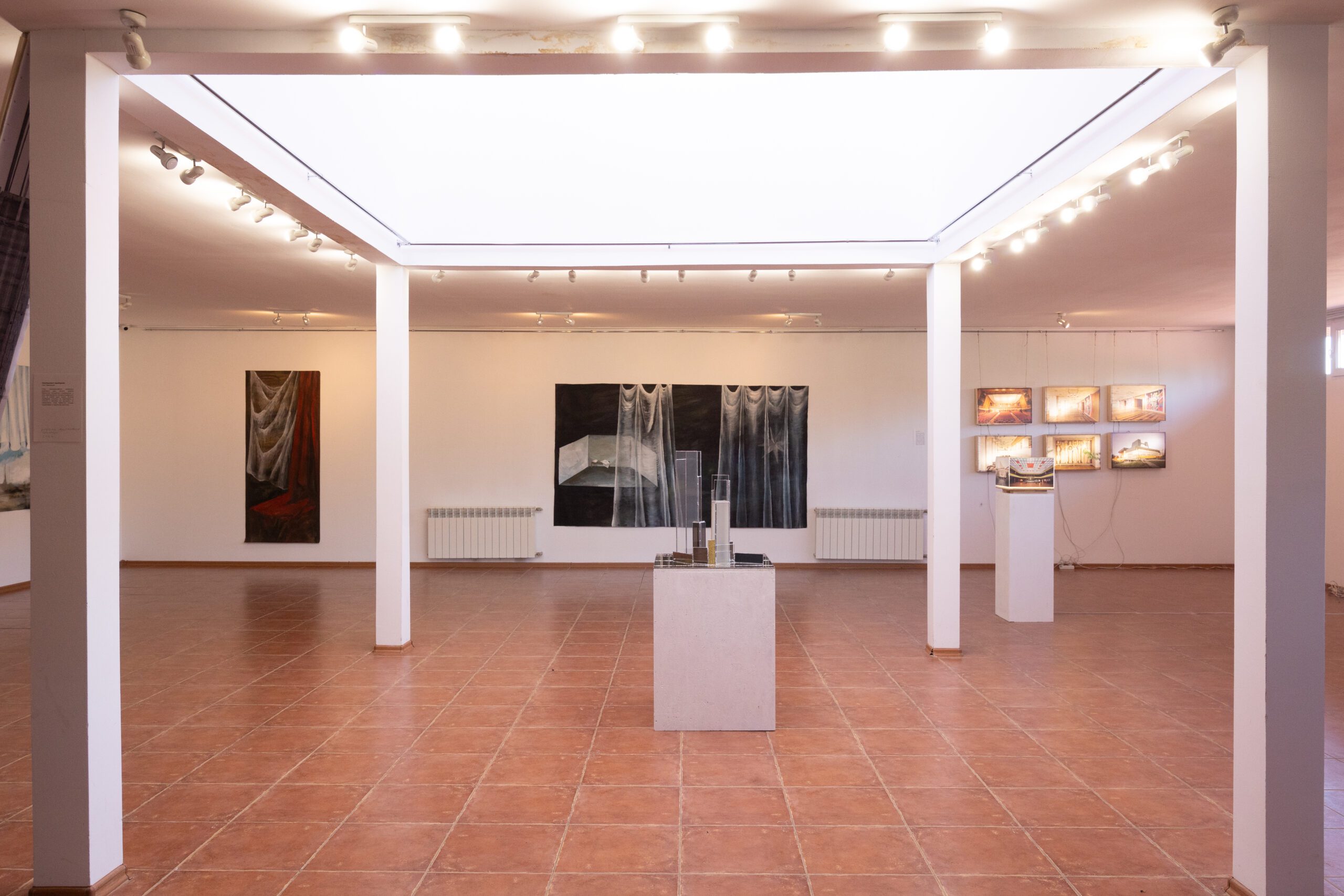
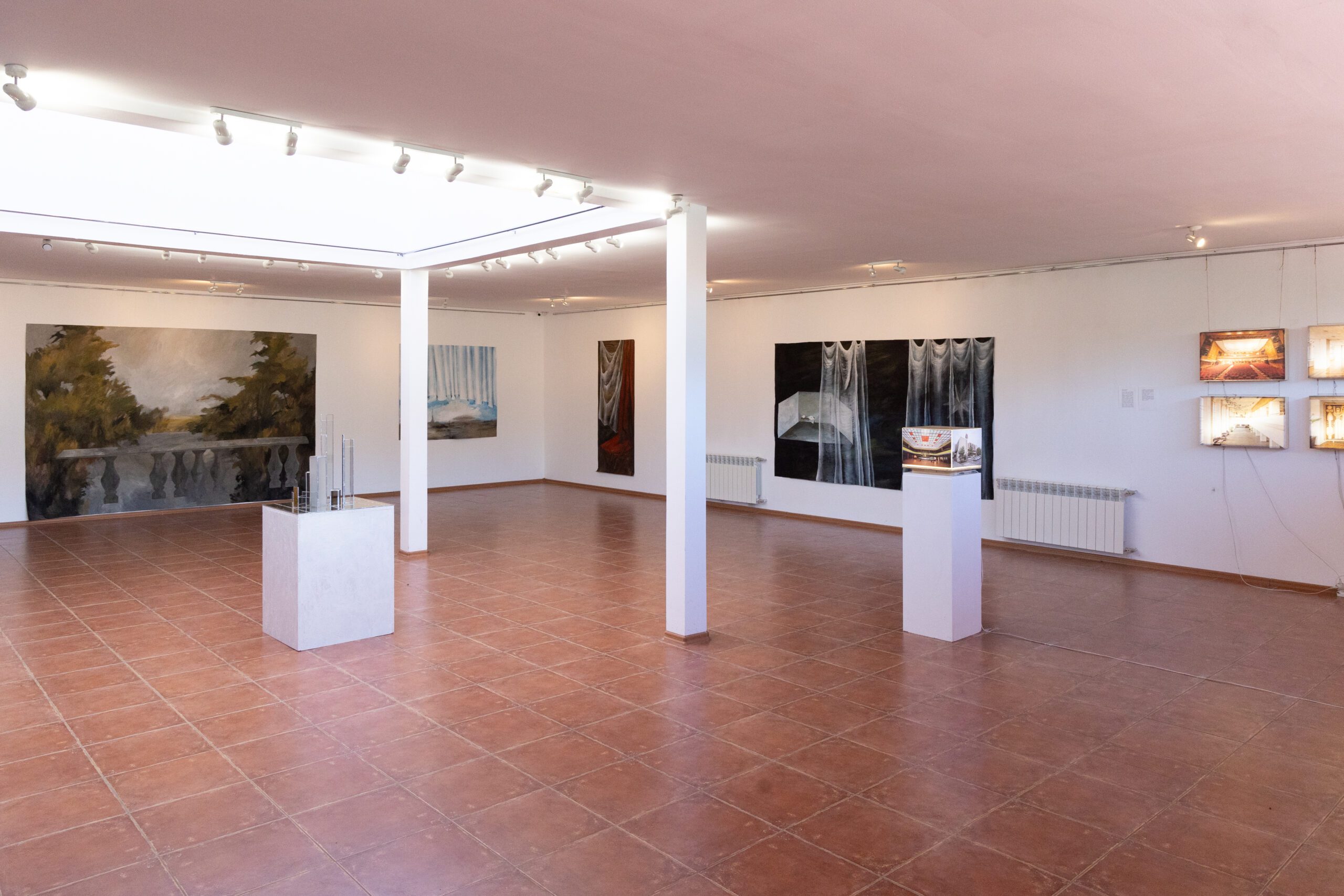
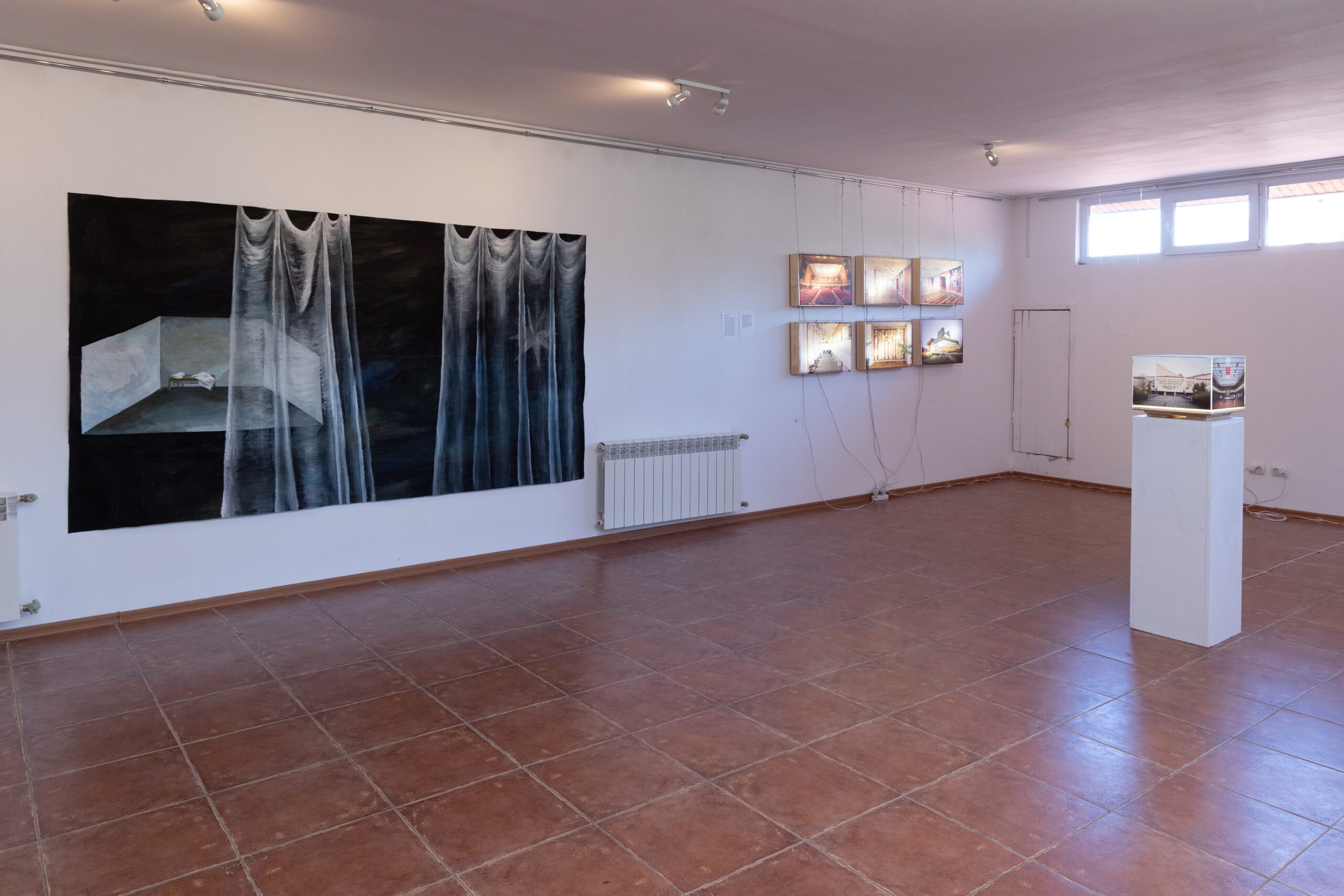
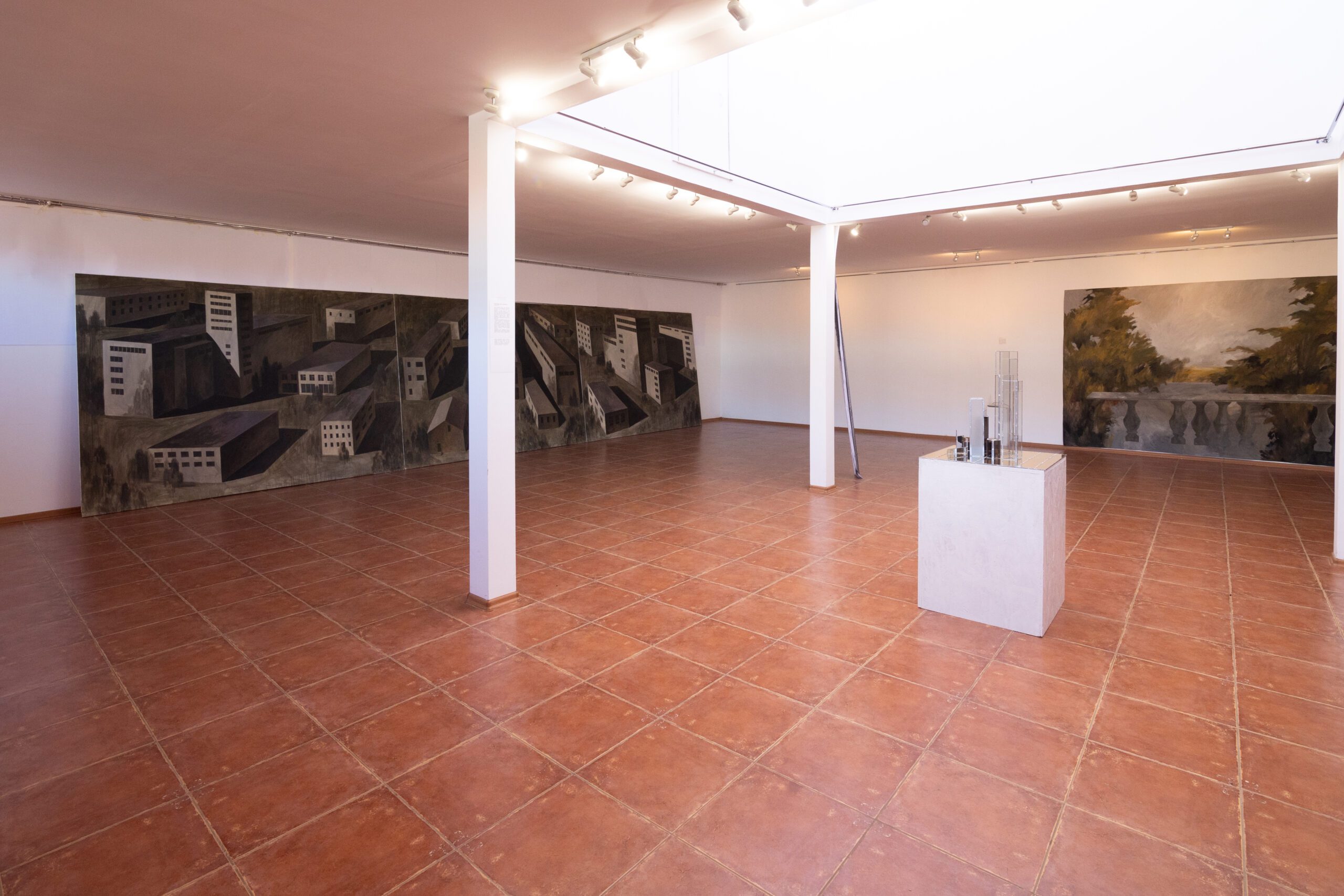
A view of the exposition of Sashko Dolgyi’s project “Utopia disappears along with thinking”.
Author’s text:
“Only thinking gives us the opportunity to strive for change. Only the possibility of thinking is the guarantee that an idea will rise above the mundane and move towards its realization. Through any trials and dark times, it is thinking that leads us to the oasis of harmonious existence. It is the main engine for any changes and reforms, opening the horizons of possibilities and improvement to a person. Without thinking, there is no dream.
In the contexts of totalitarianism, dictatorship, or in conditions of cultural and intellectual stagnation, thinking becomes monolithic and stereotyped. This leads to the decline of thinking that feeds on novelty, freedom of thought and openness to change. Without freedom of thought, ideals lose their basic impulse and leave the field of potential reality.
The inability or unwillingness to think, take risks and find solutions to problems leads to stagnation and stagnation, in which ideas cannot be realized. Ideals require active thinking as a basis for their existence and development; without this, they lose their meaning and turn into echoes of unrealized possibilities.
If thinking disappears, so does utopia.”
Photo credit Mykhailo Melnychenko
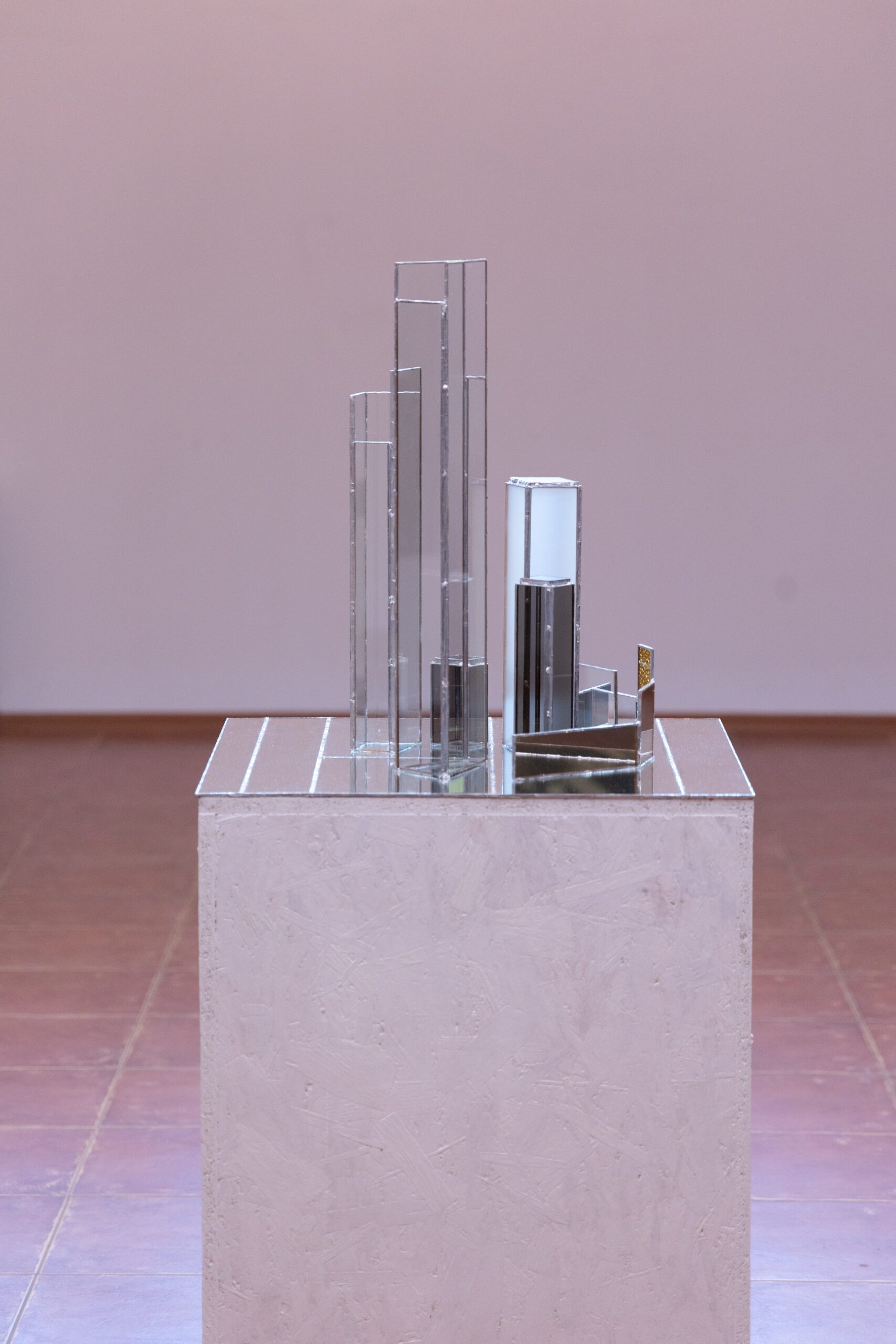
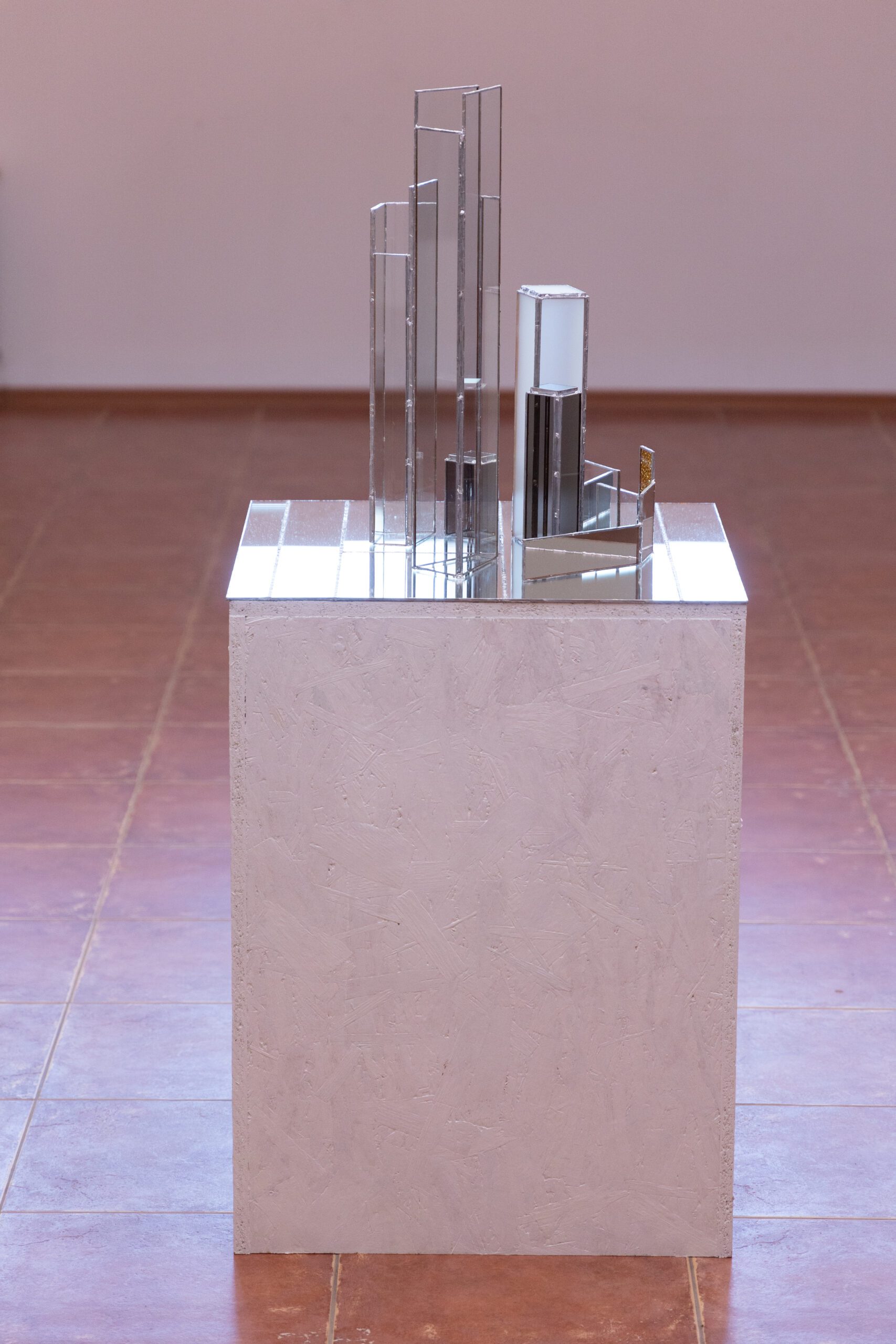
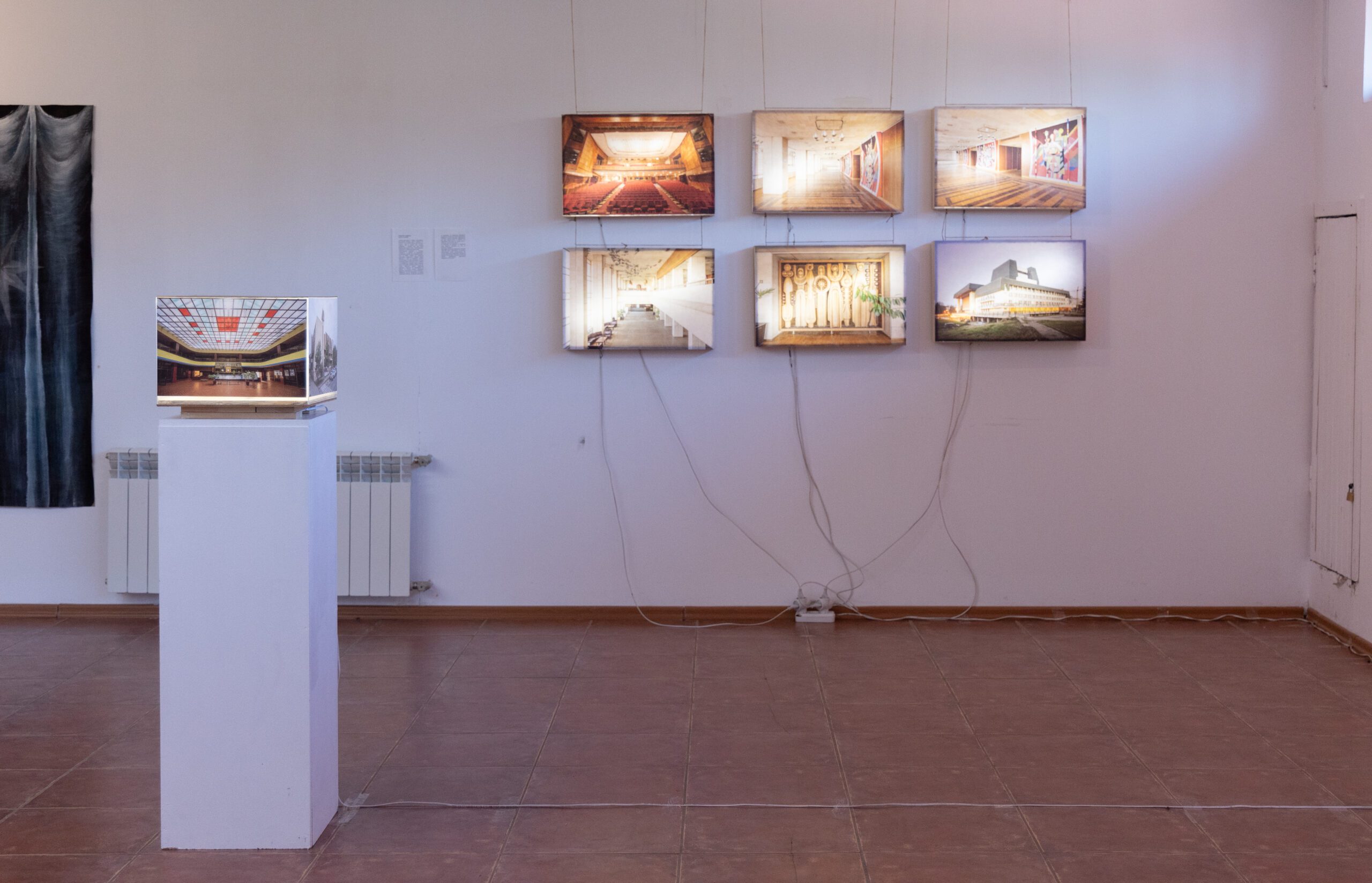
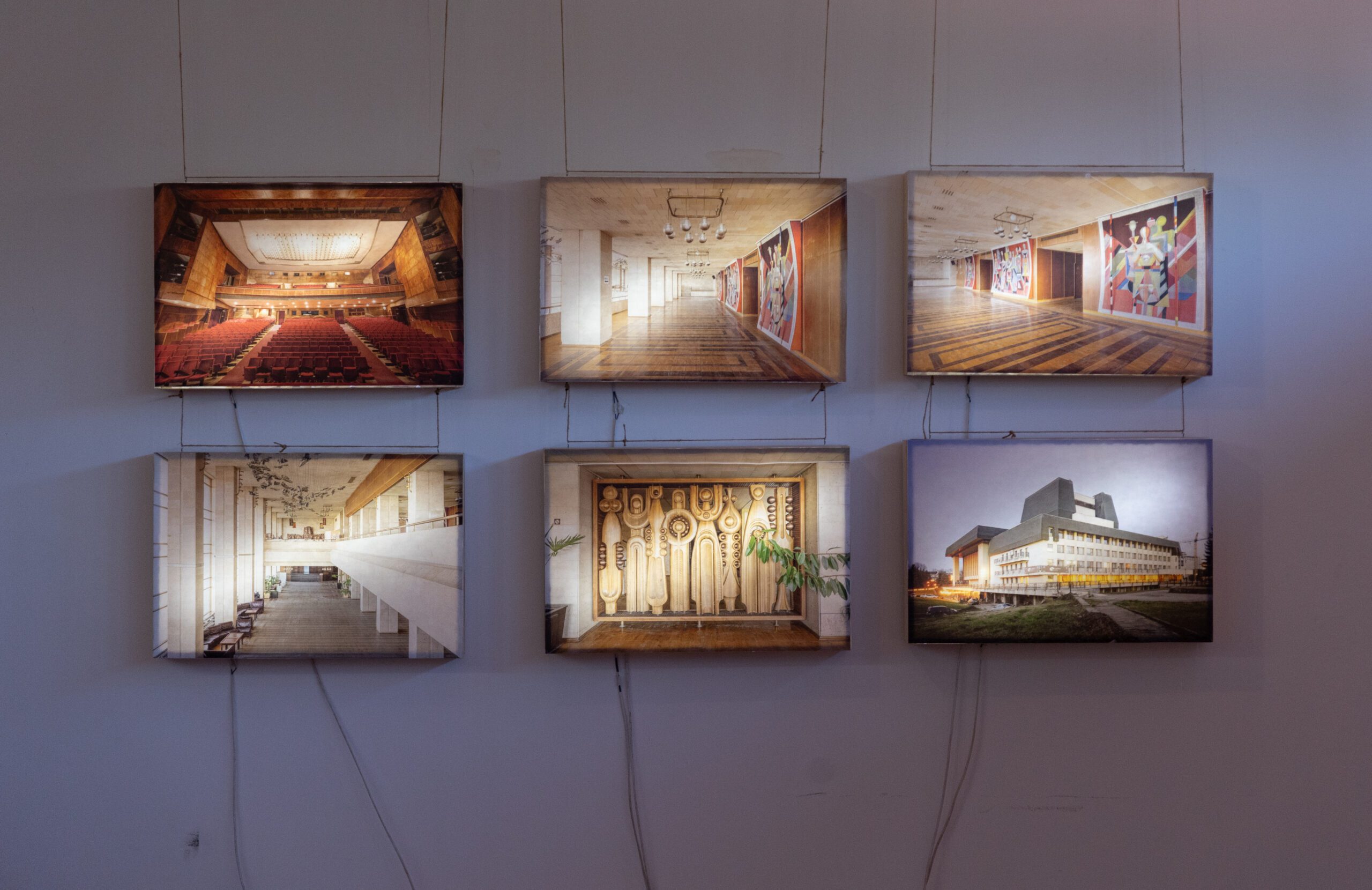
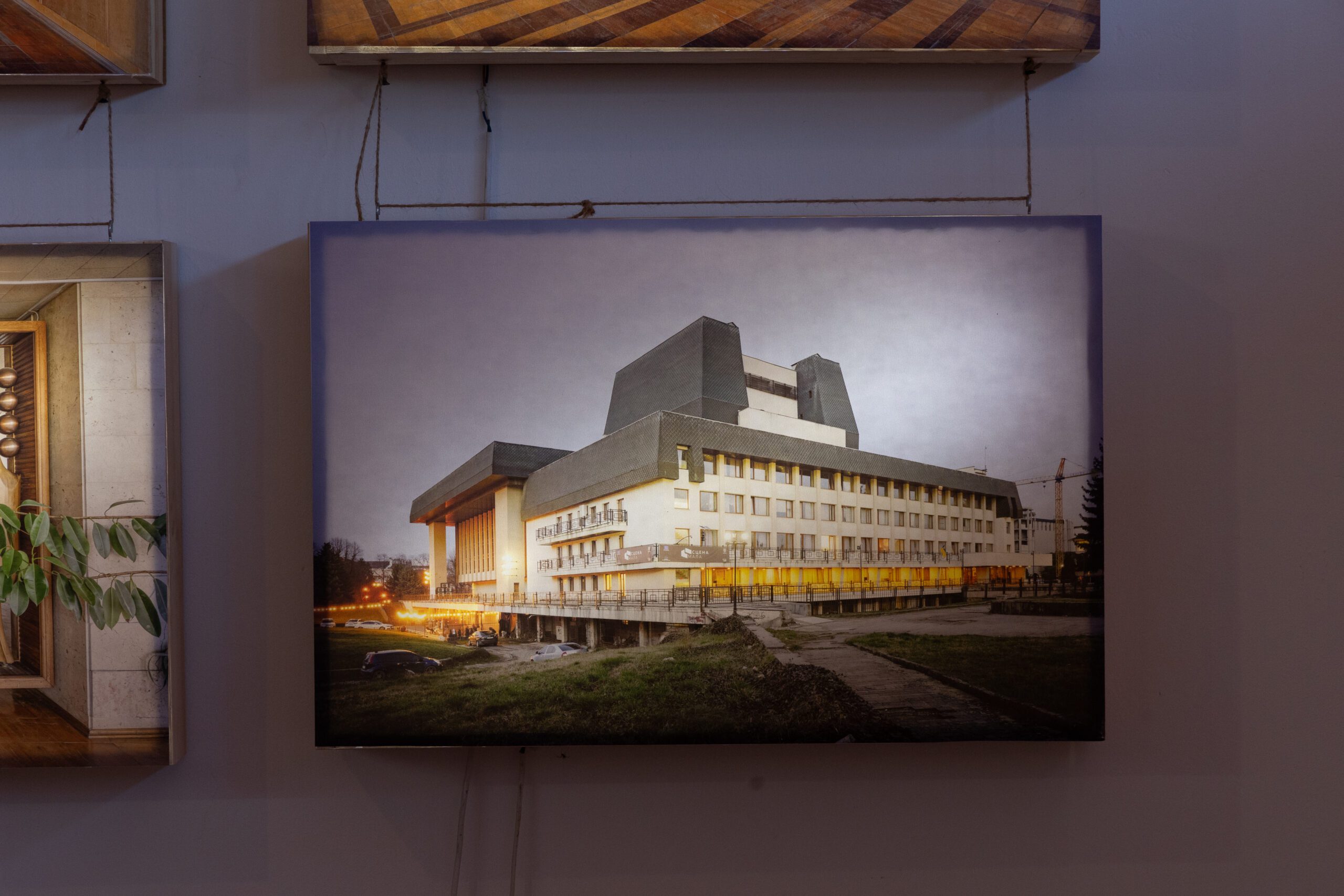
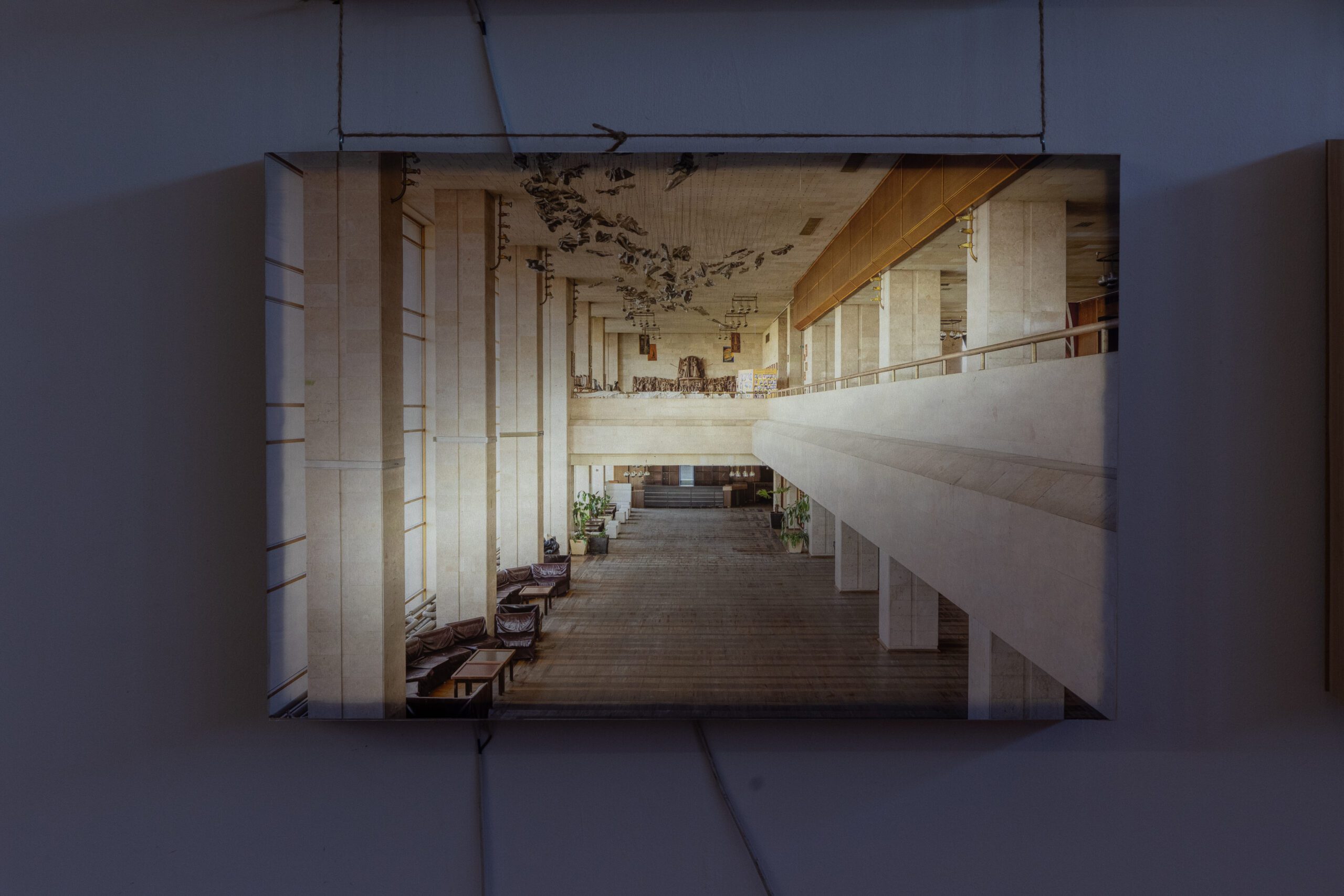
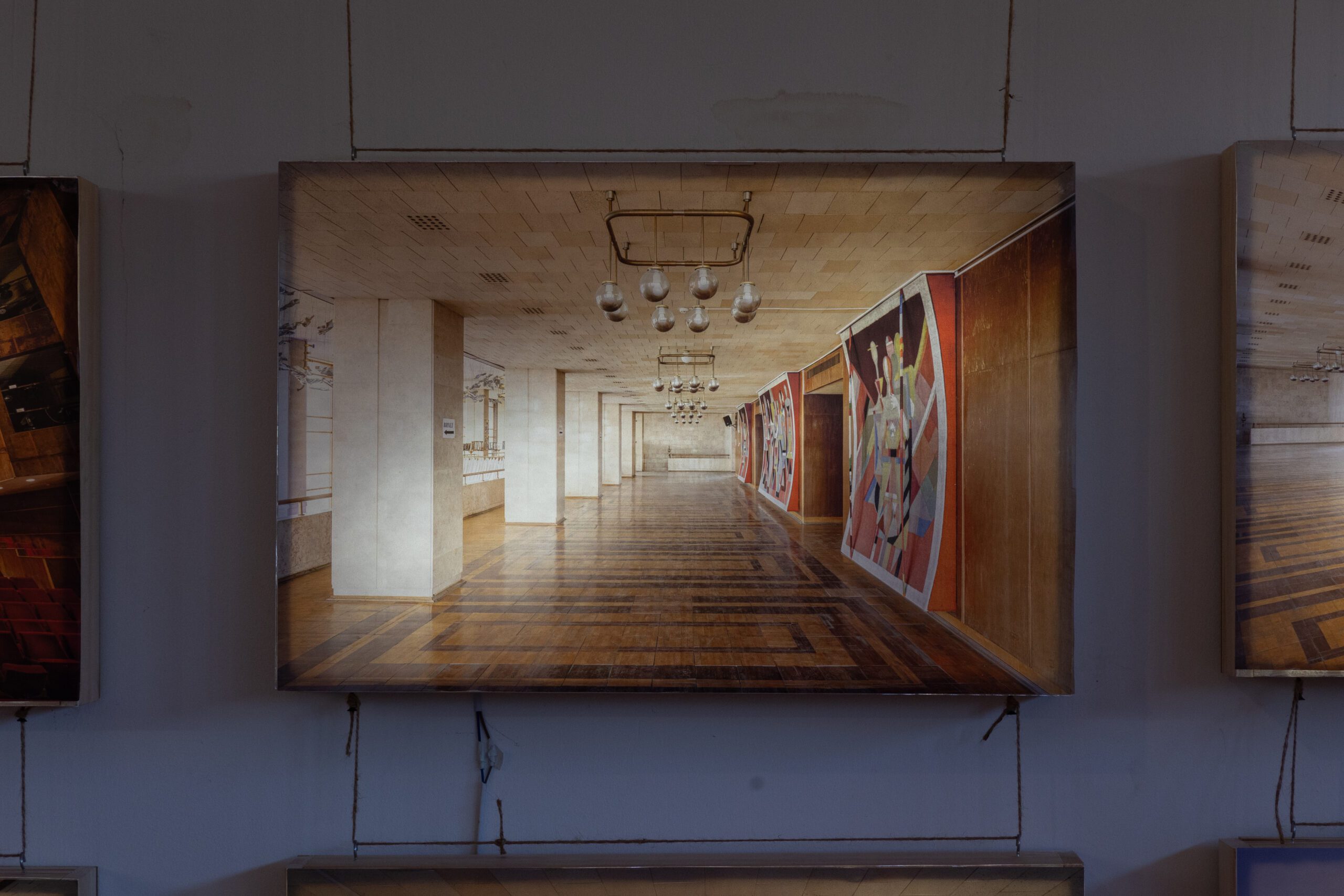
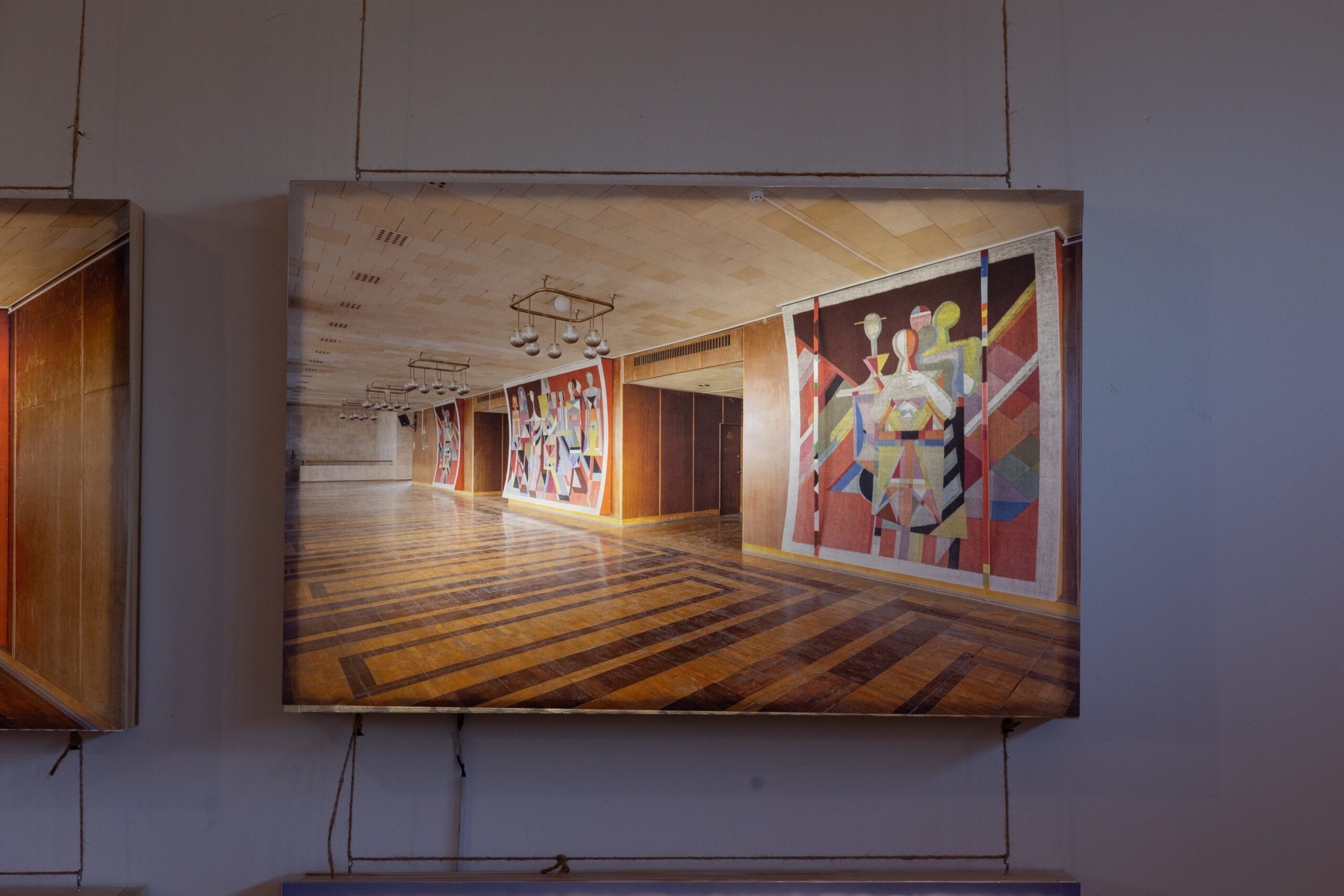
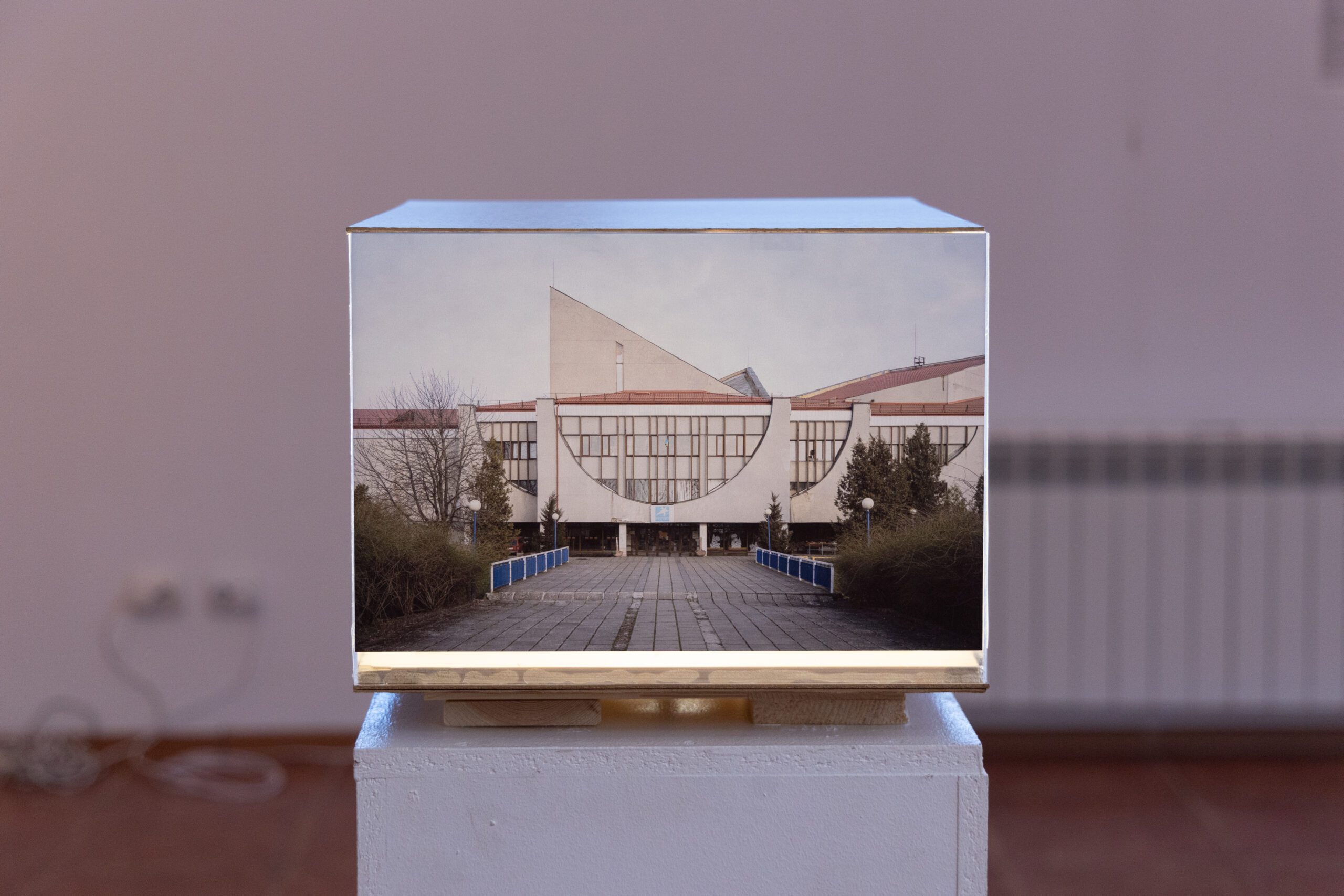
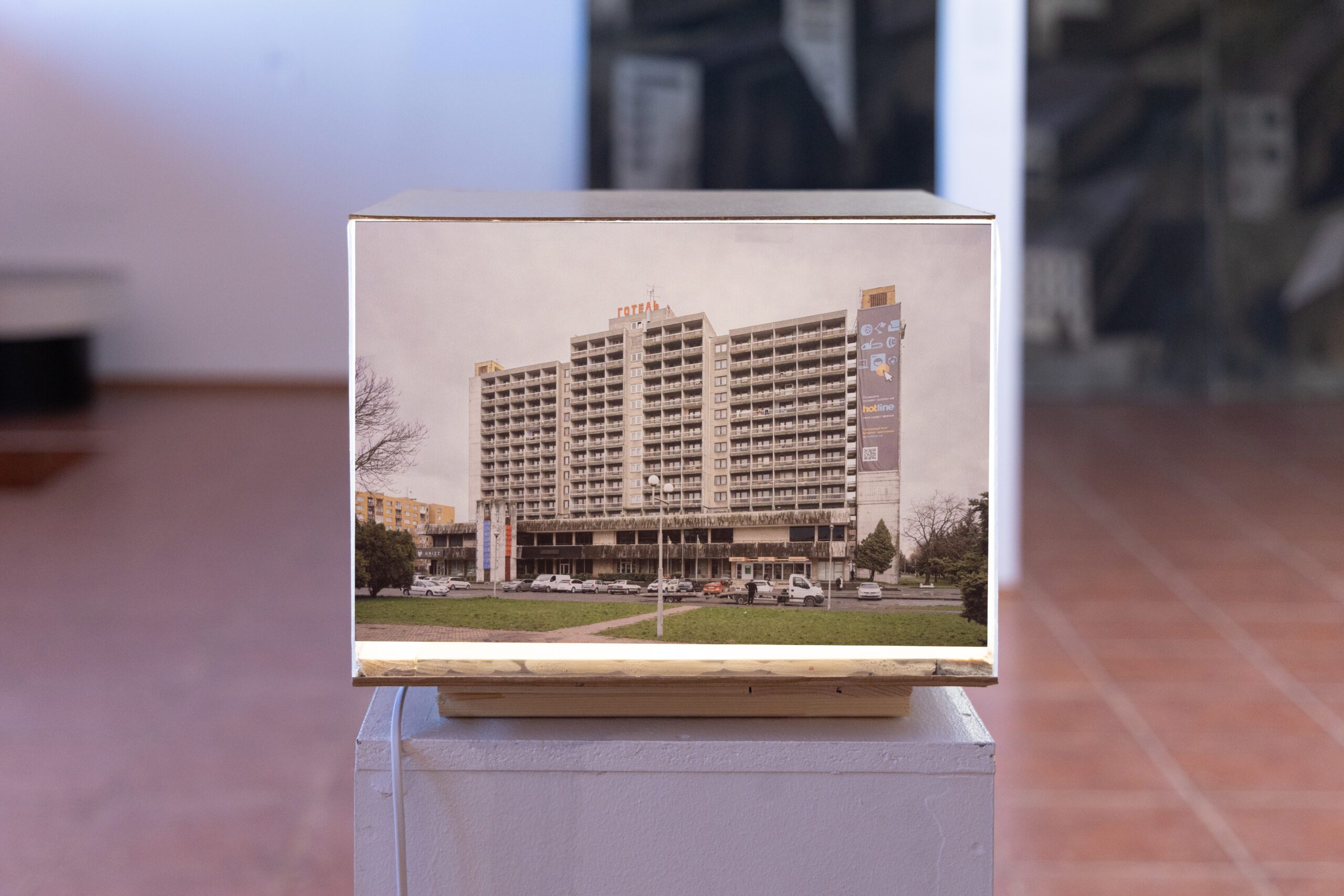
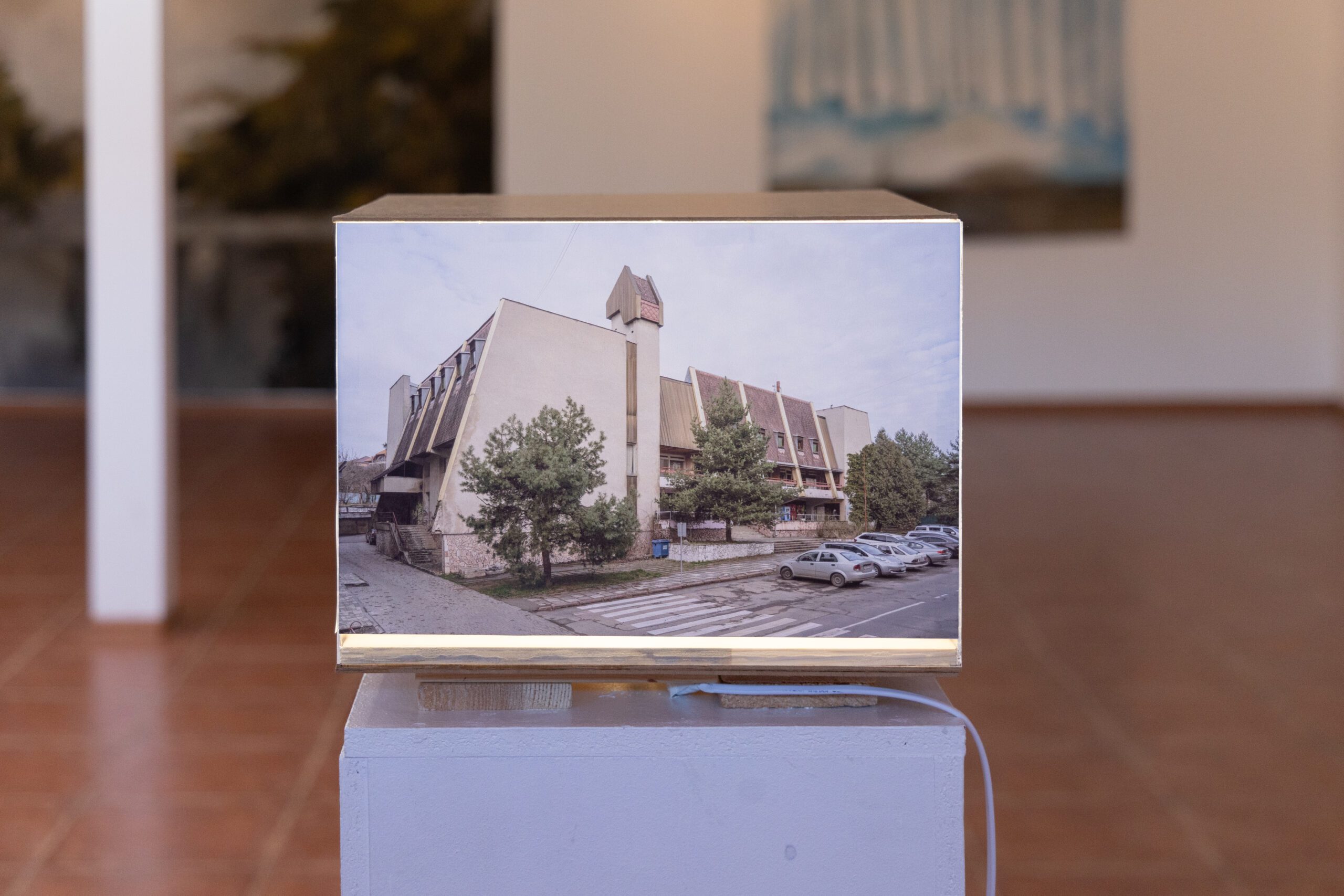
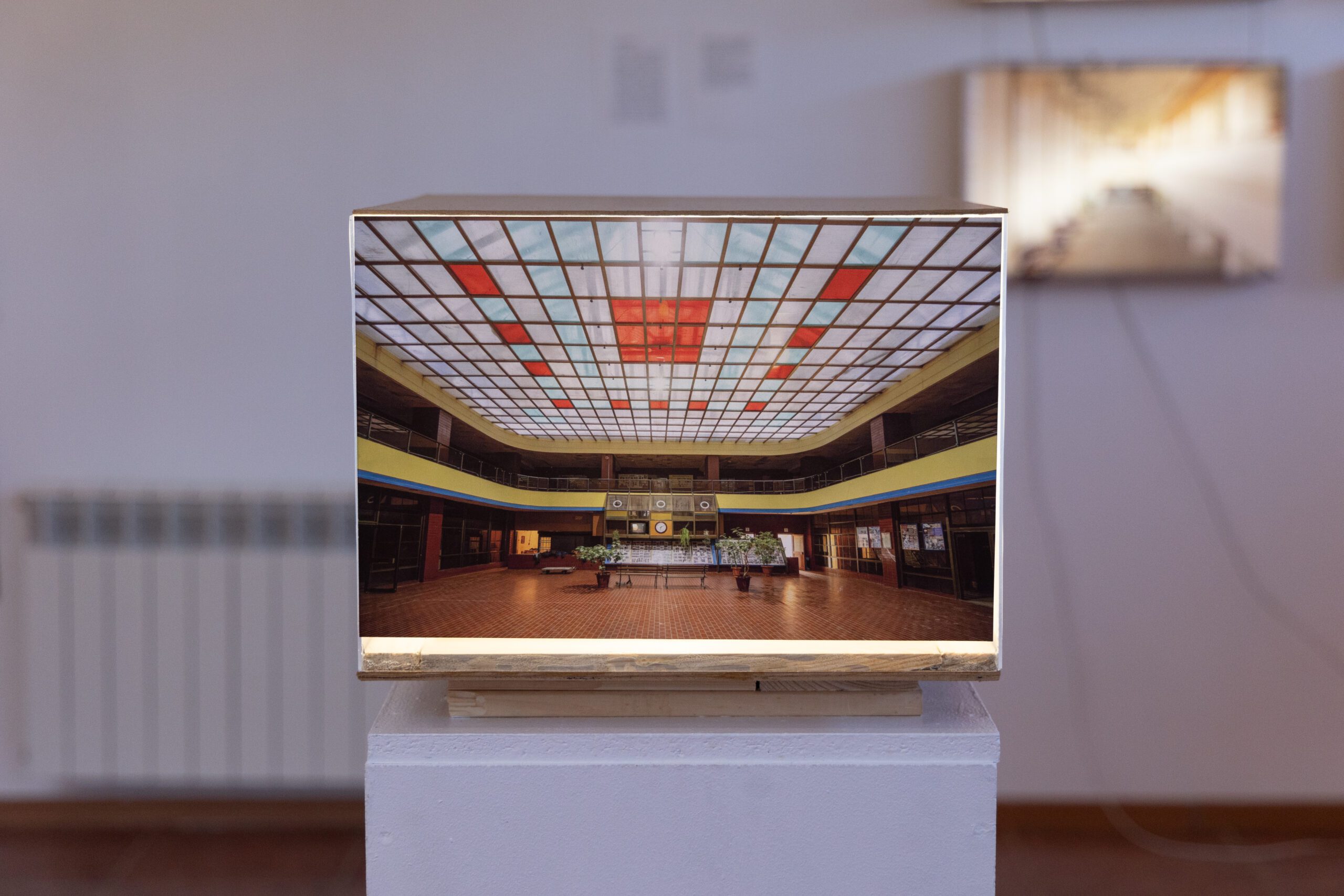
View of the exposition of Dmytro Soloviov’s project “An Inconvenient Heritage”.
Author’s text:
“I have spent the last two months researching the architecture of Uzhhorod the second half of the 20th century – the time when Uzhhorod became part of Ukraine. At that time, modernism reigned throughout the world, and Uzhhorod had two stages of construction in this style – Czechoslovak modernism and Ukrainian Soviet modernism.
Czechoslovak heritage is respected in Uzhhorod. It is loved, research projects are dedicated to it, and books are published about.
What cannot be said about the Ukrainian architecture of the Soviet period. Many Ukrainians often do not understand it, actively stigmatize it and even reject it as foreign. Russia’s full-scale invasion of Ukraine and the systematic destruction of our heritage should have united Ukrainians around it, but the opposite happened. We branded the Ukrainian Soviet heritage as hostile and began to actively destroy it, actually helping the russians in this. And forgetting that this architecture and mosaics were created by Ukrainians, professional architects and artists who tried to create a comfortable and aesthetic urban environment. On the other hand, the modern dictatorship of developers, for whom the only goal is profit, which turns our cities into solid ghettos from the gas block, confuses few people.
Will we have time to accept and make sense of our uncomfortable legacy before we destroy it completely?
Photographs of modernist architecture of Uzhhorod from 1960-1980, presented at the exhibition, demonstrate a synthesis of ultra-modern features of world modernist architecture and elements of folk architecture and folk art of Ukraine, imprinting the identity of Transcarpathia in the 20th century.”
Photo credit of exhibition documentation Mykhailo Melnychenko
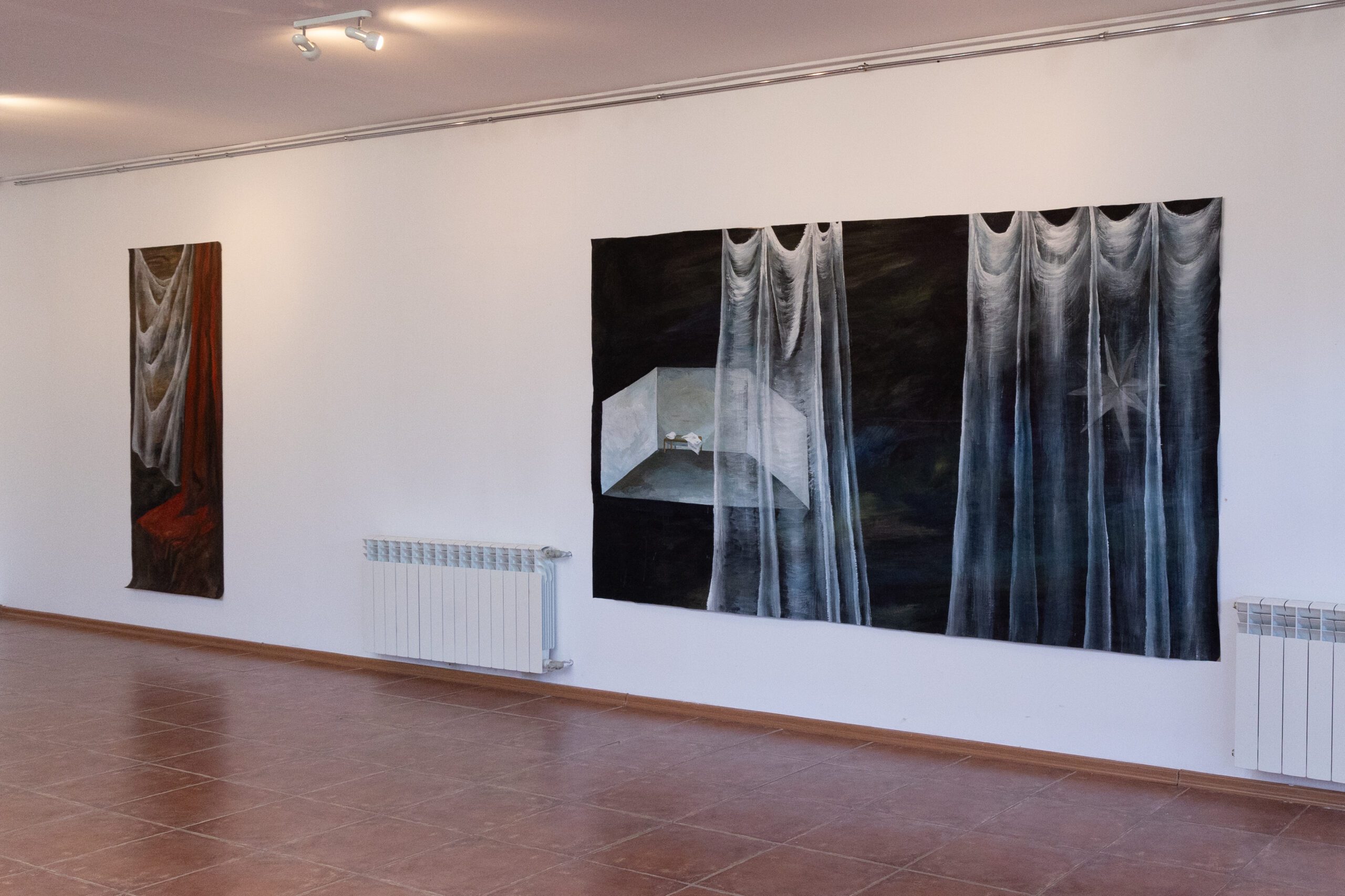
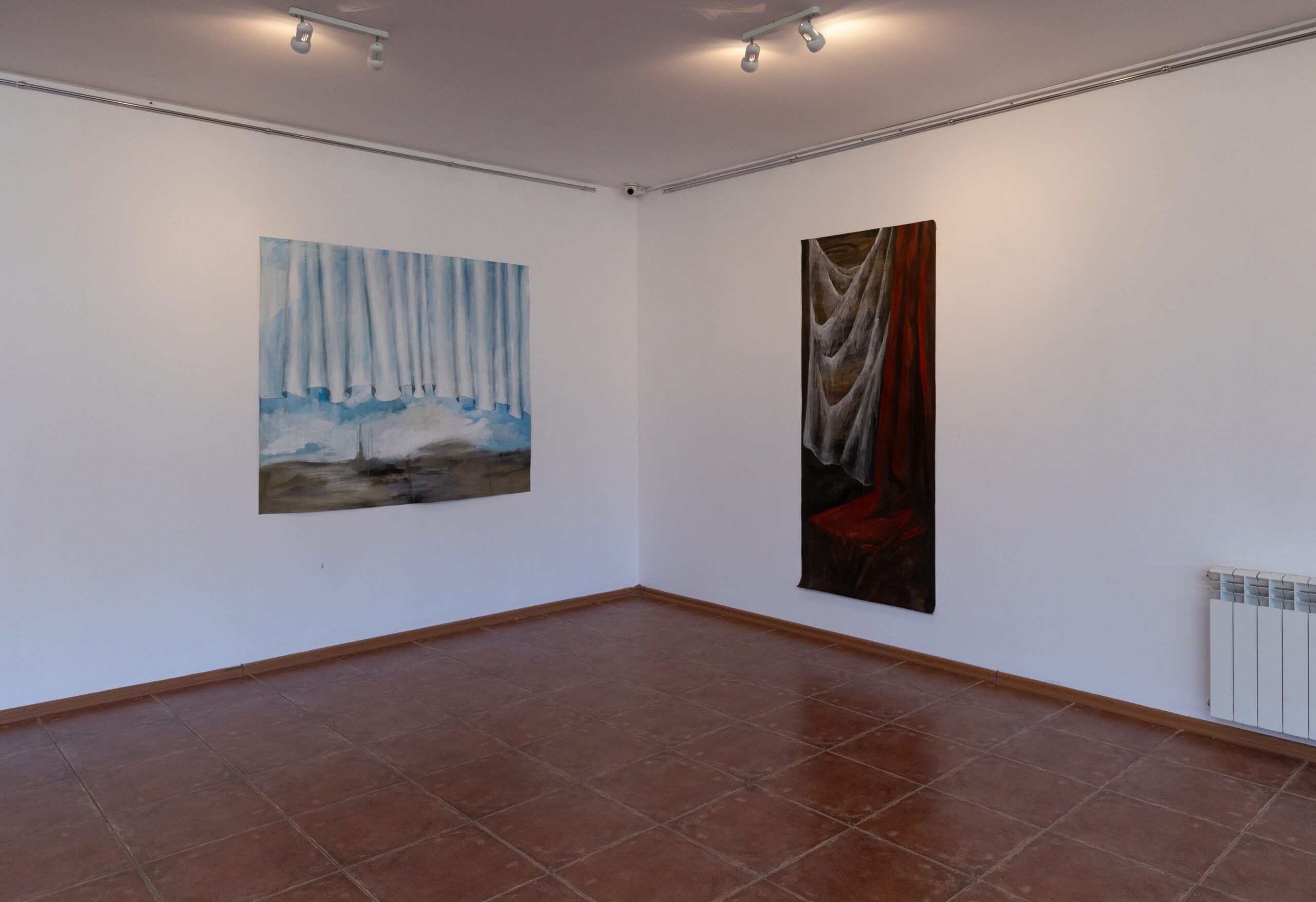
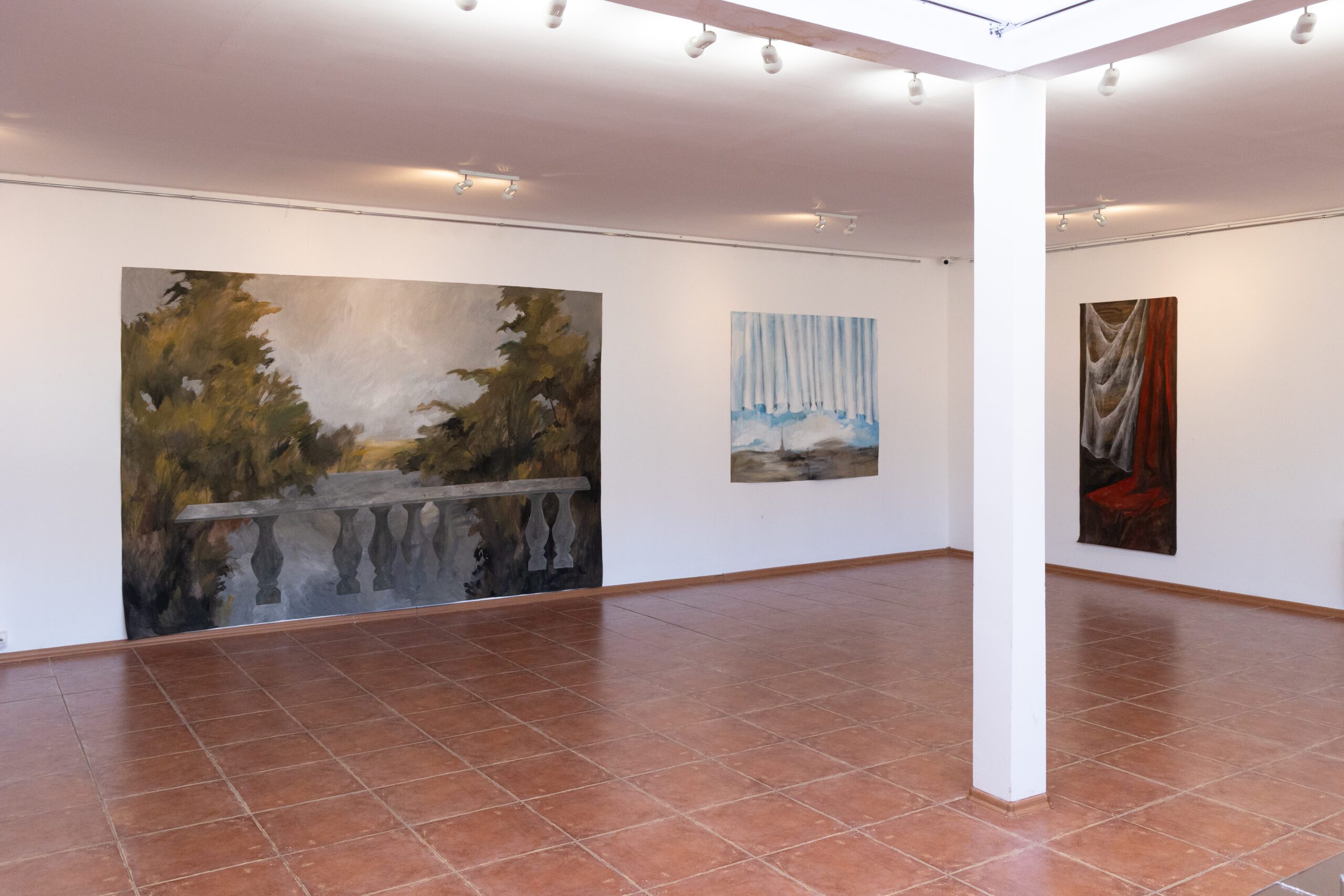
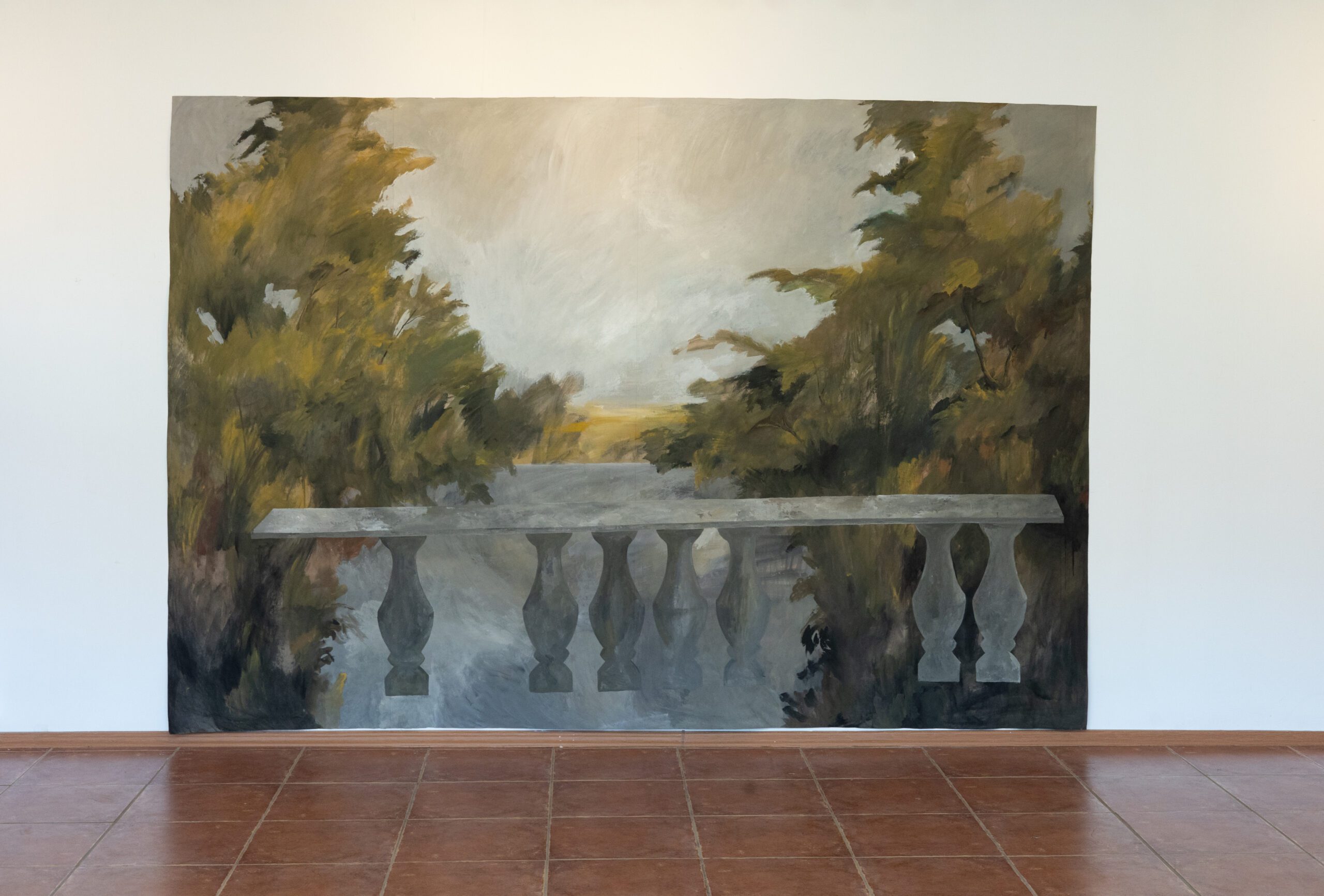
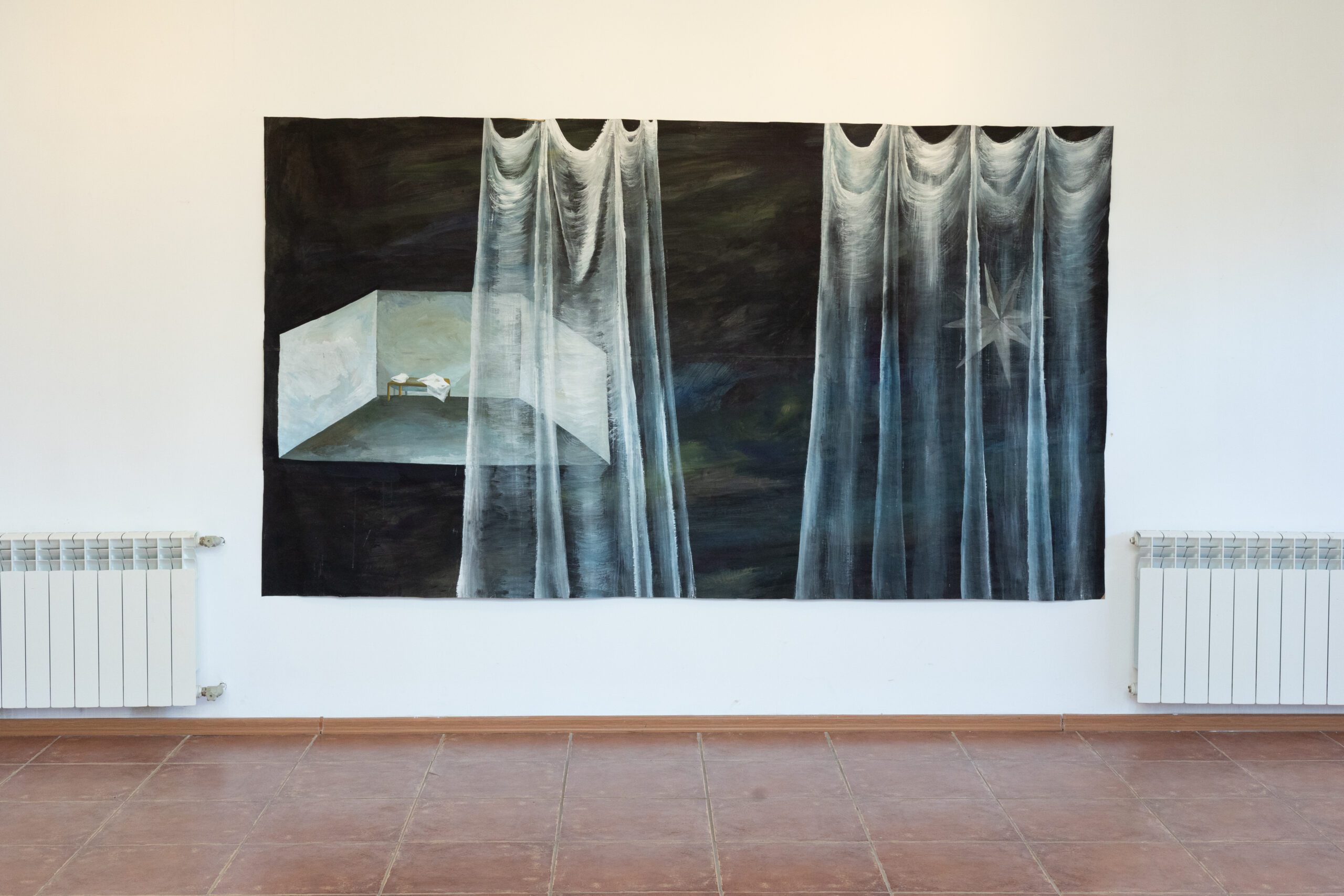
View of the exposition of Karina Synytsia’s project “Closed will drop its veil”.
Author’s text:
“A painting series that uses the image of a curtain or pieces of fabric found in various interiors. Folds of cloth are to some extent a socio-cultural feminine symbol, referring to the process of guardianship. The very moment of blinding or closing is protection against danger. The depicted pieces of cloth cover the battlefields or affected areas left behind by the occupants of the occupied room, which at this point in time cannot be seen in person by most. They are like a curtain that separates a peaceful human existence from the boundless horror that is being created and haunting somewhere nearby.”
Photo credit of exhibition documentation Mykhailo Melnychenko
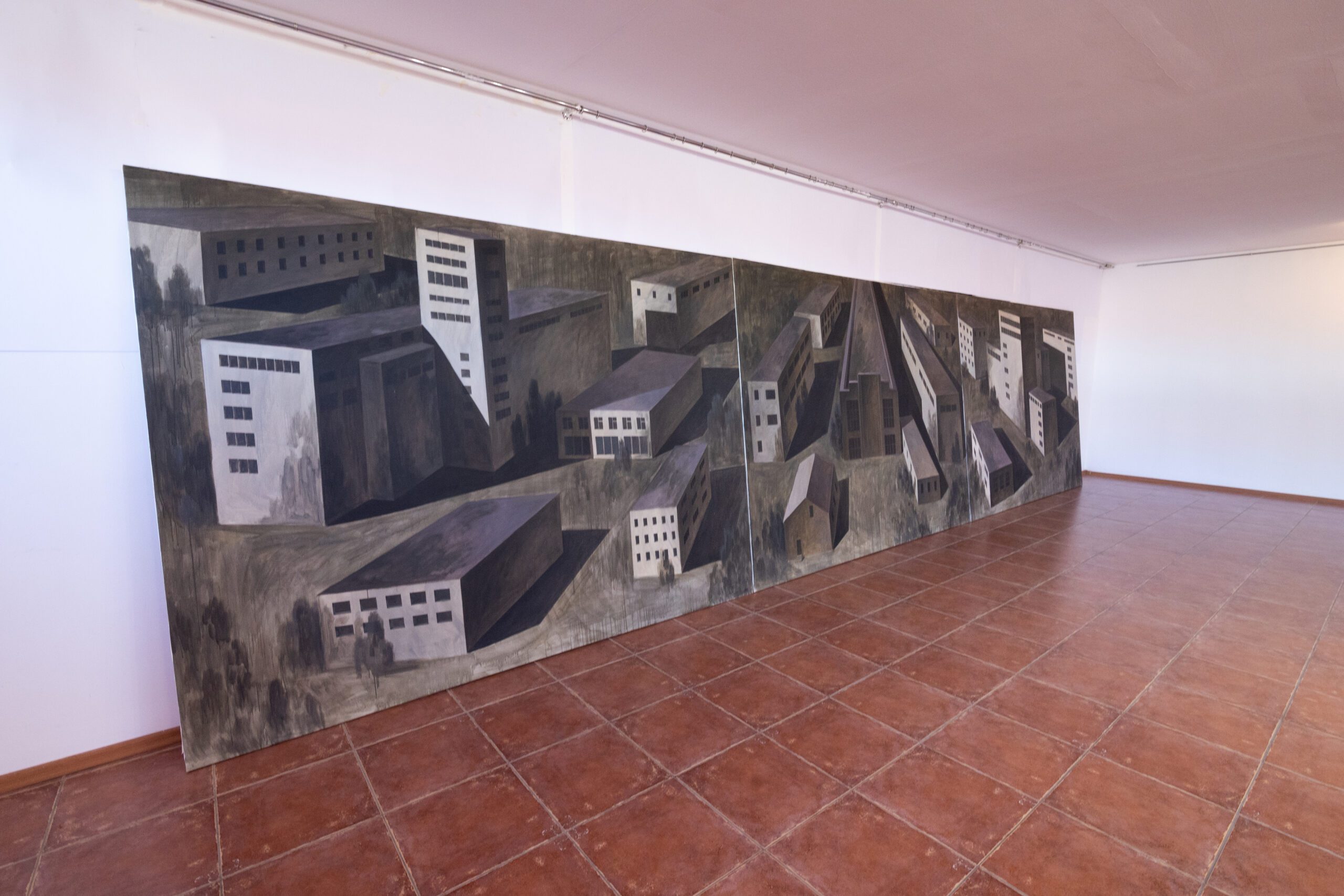
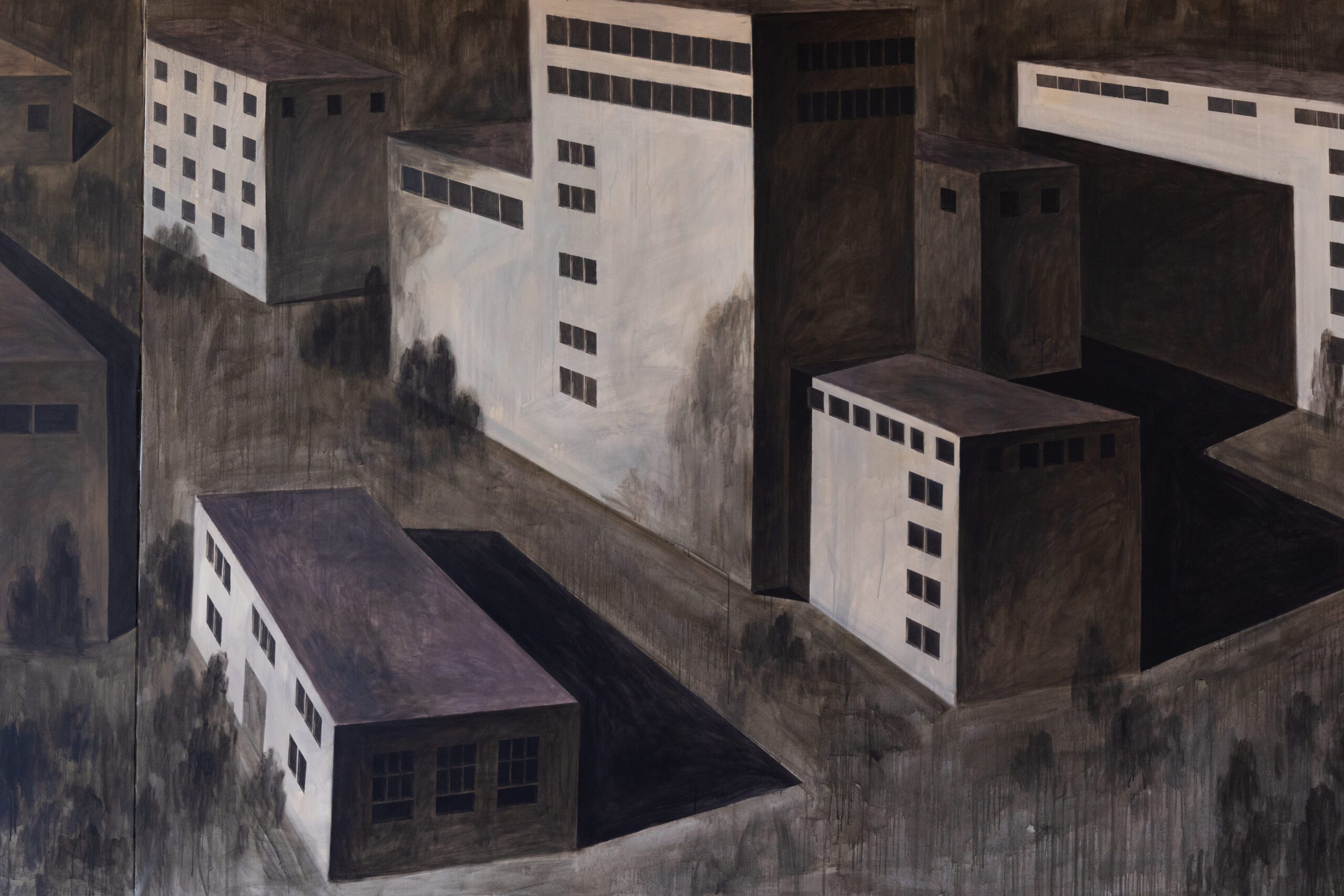
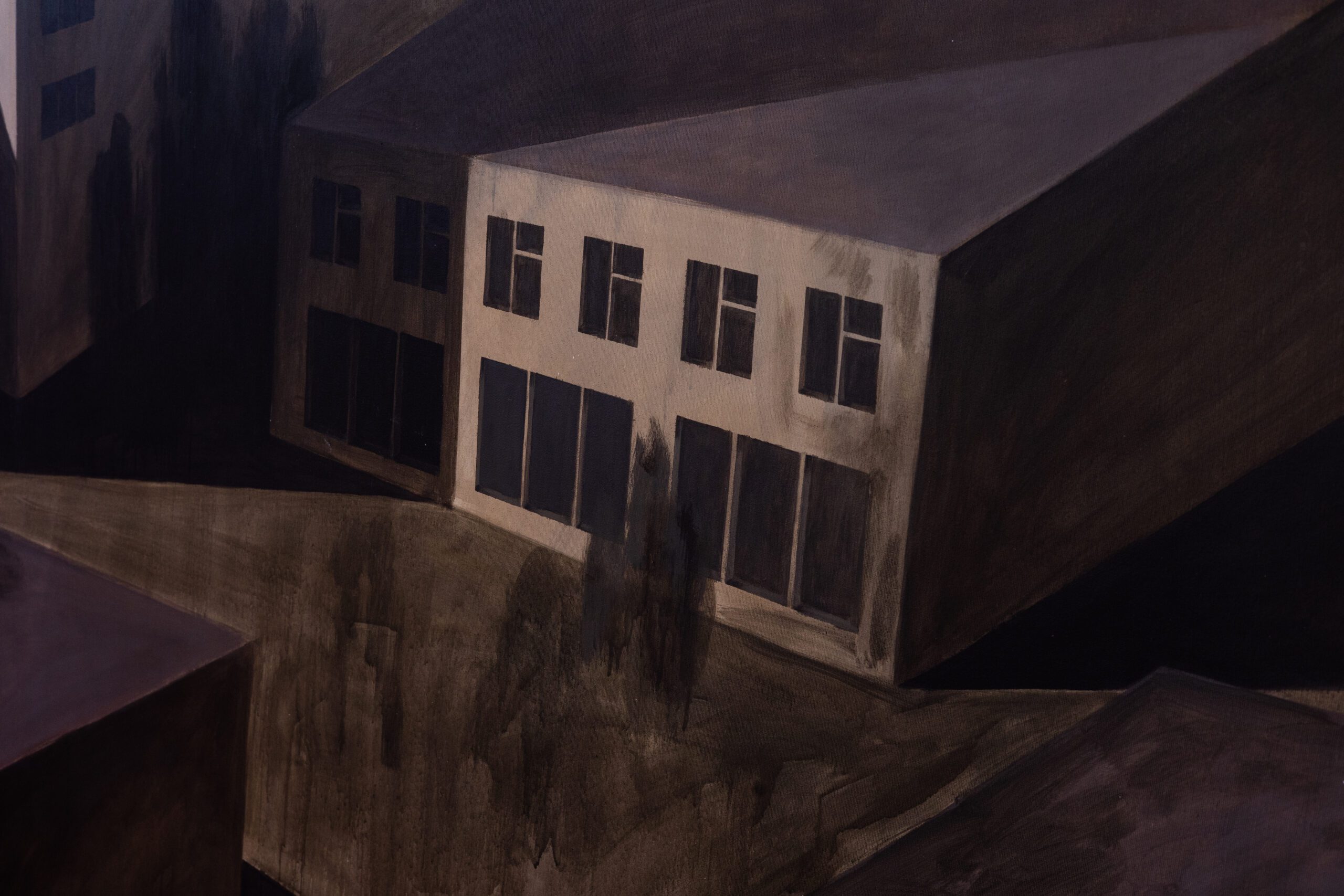
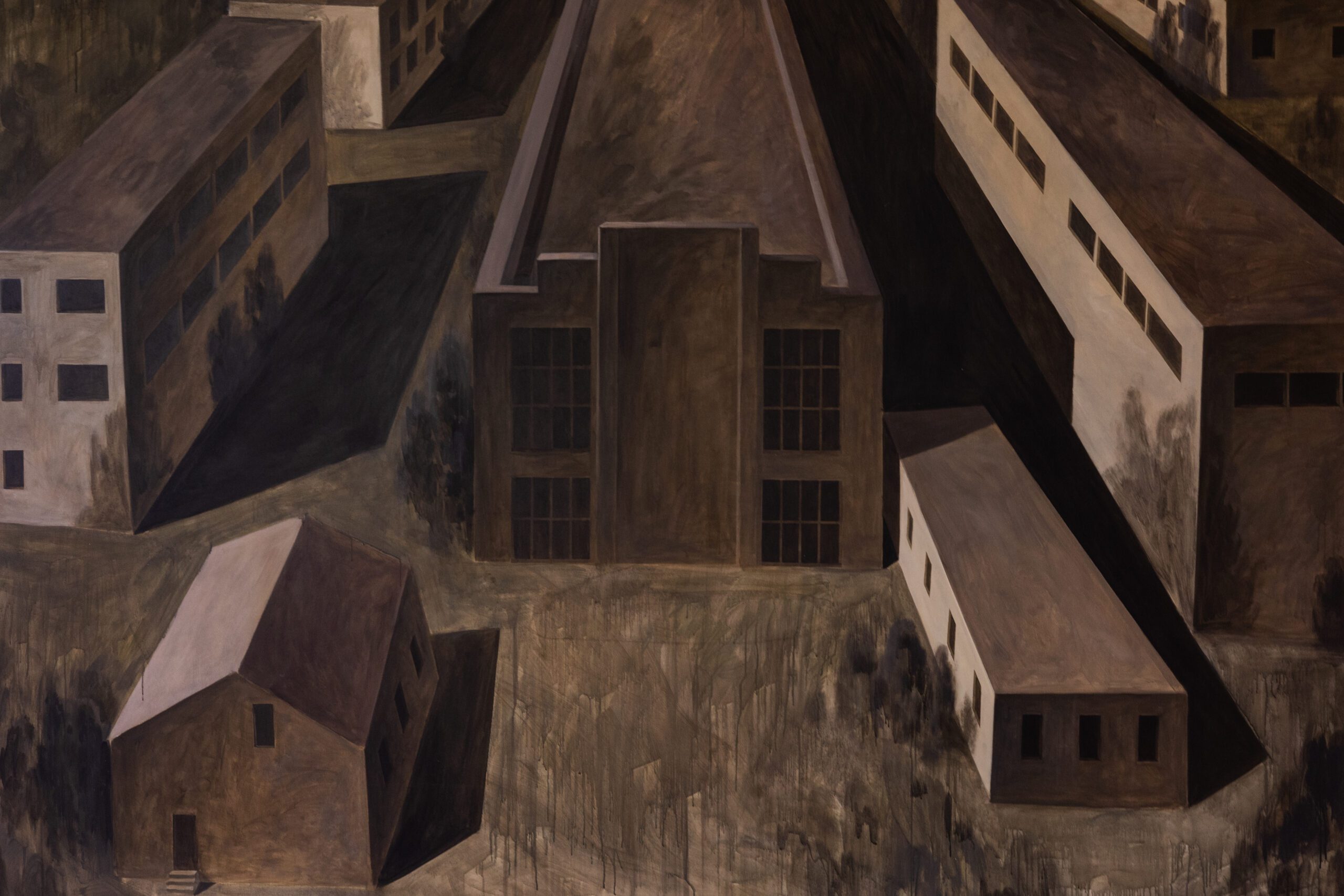
View of the exposition of Olena Kurzel’s project “A place of silence and peace”.
Author’s text:
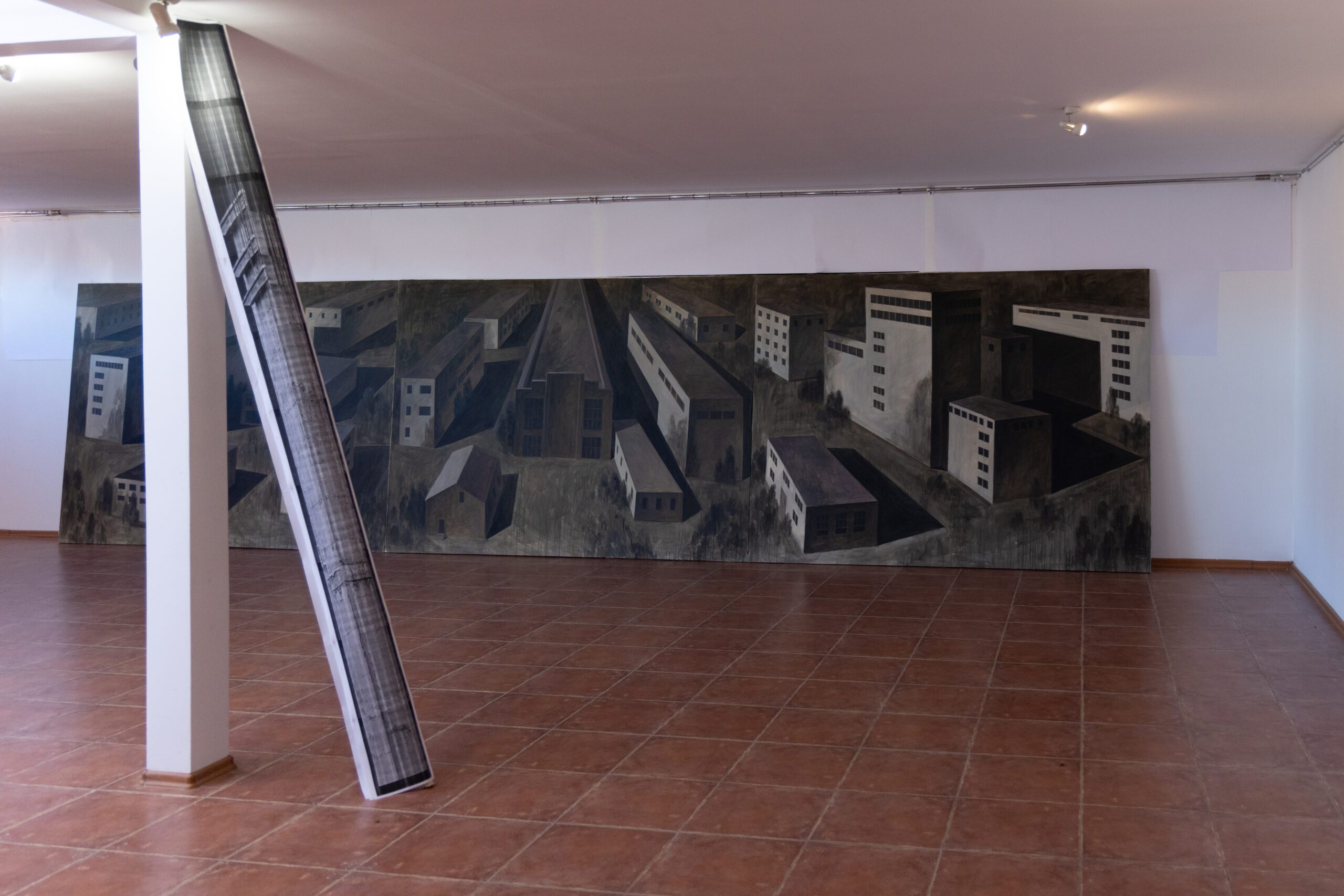
“The project developed as part of the residence “Sorry, there are no rooms” represents a collective image of the country’s industrial zones.
The project aestheticizes the decay of premises that have ceased to fulfill their function and have become part of the landscape. These are reflections on the fate of factories and warehouses that were abandoned as a result of military operations. About the interaction of landscape and architecture, mutual penetration into the environment of existence”.
Photo credit of exhibition documentation Mykhailo Melnychenko
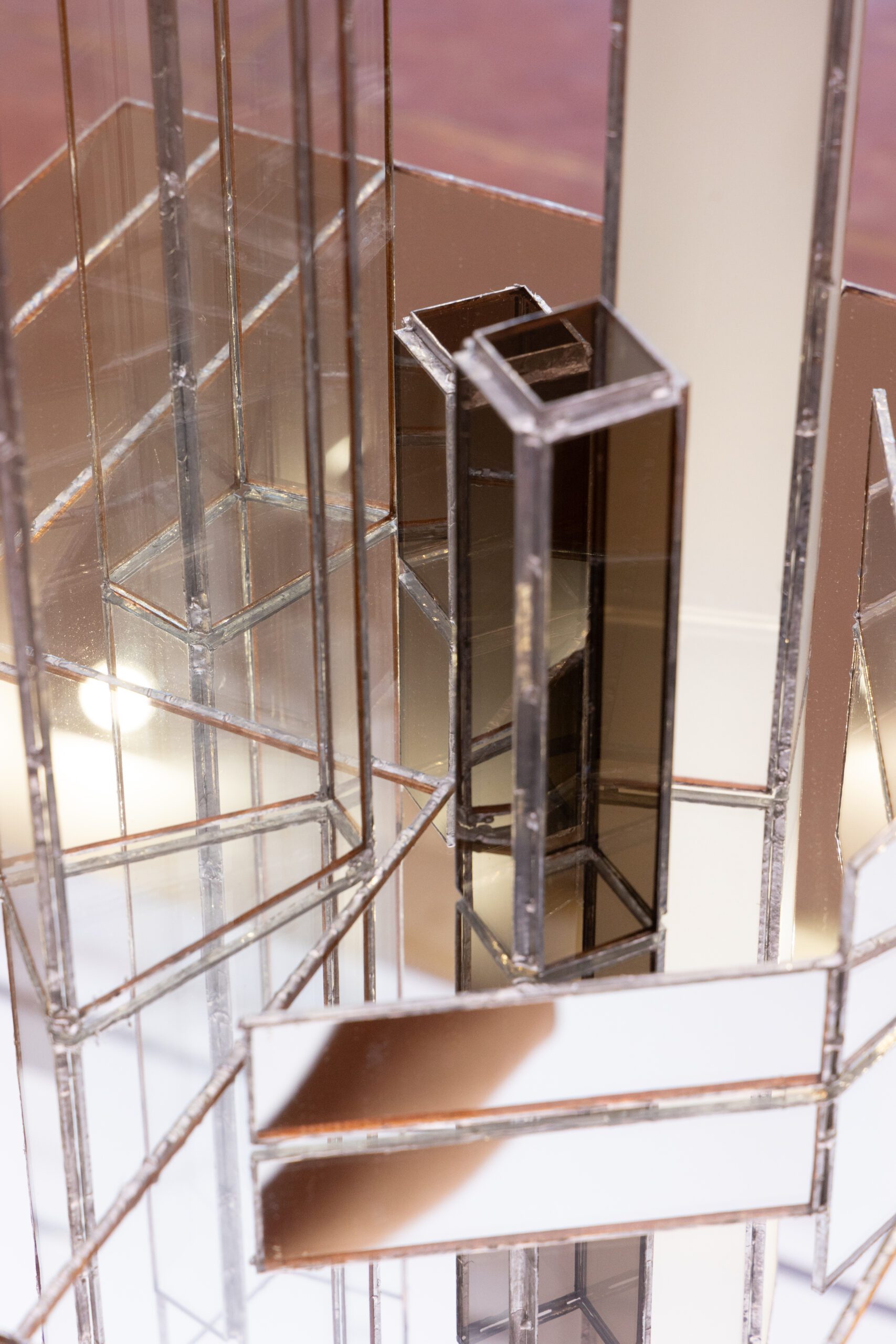
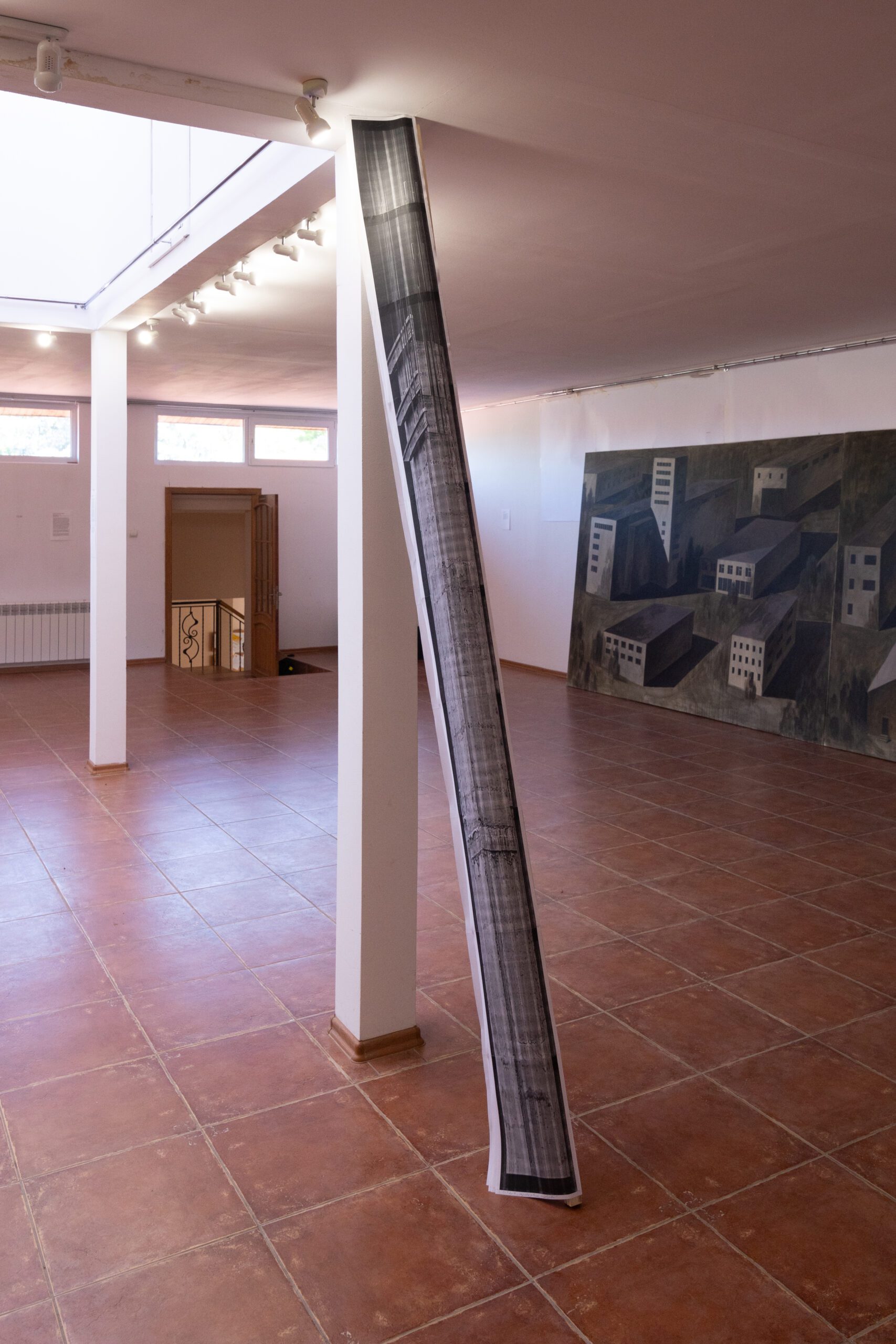
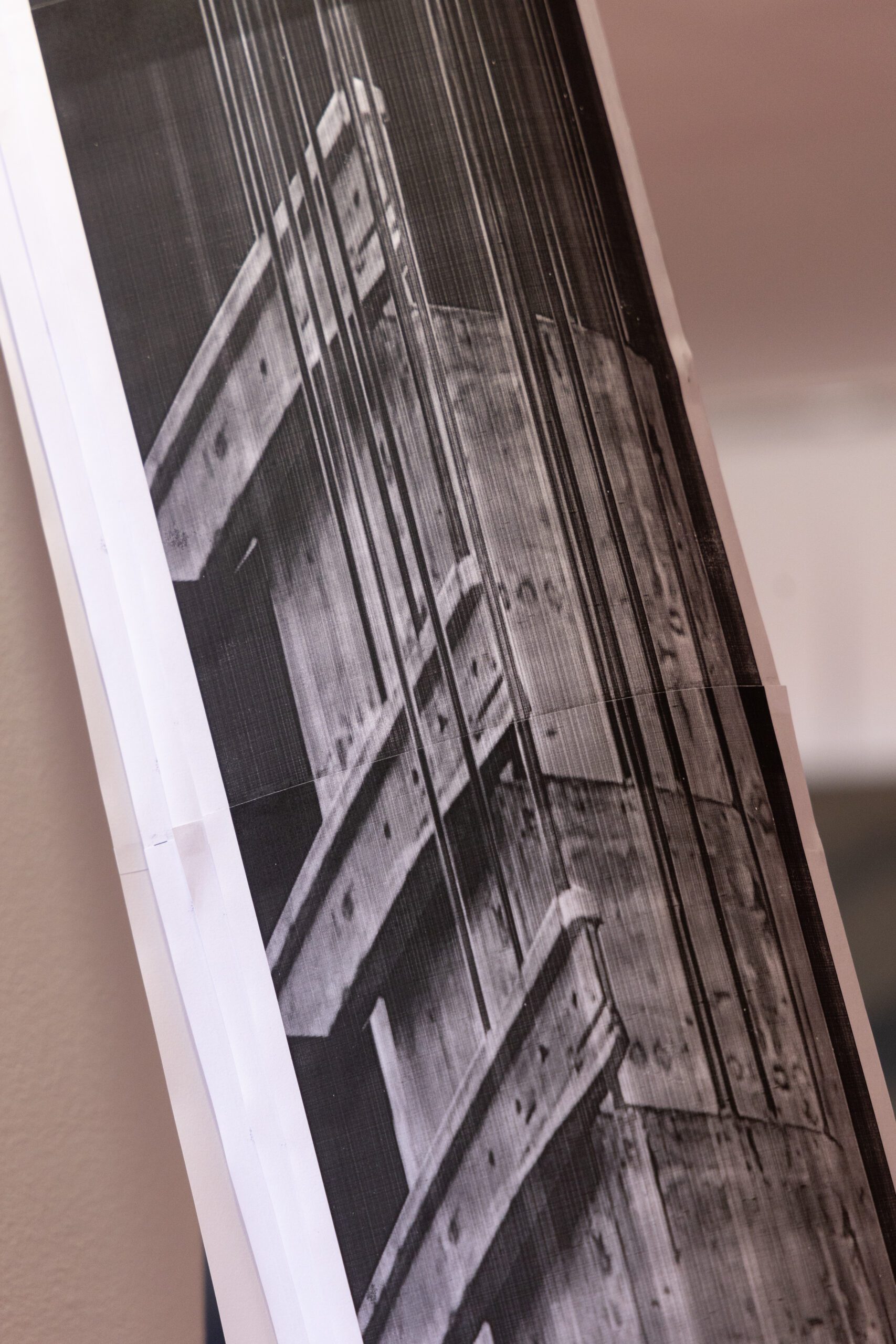
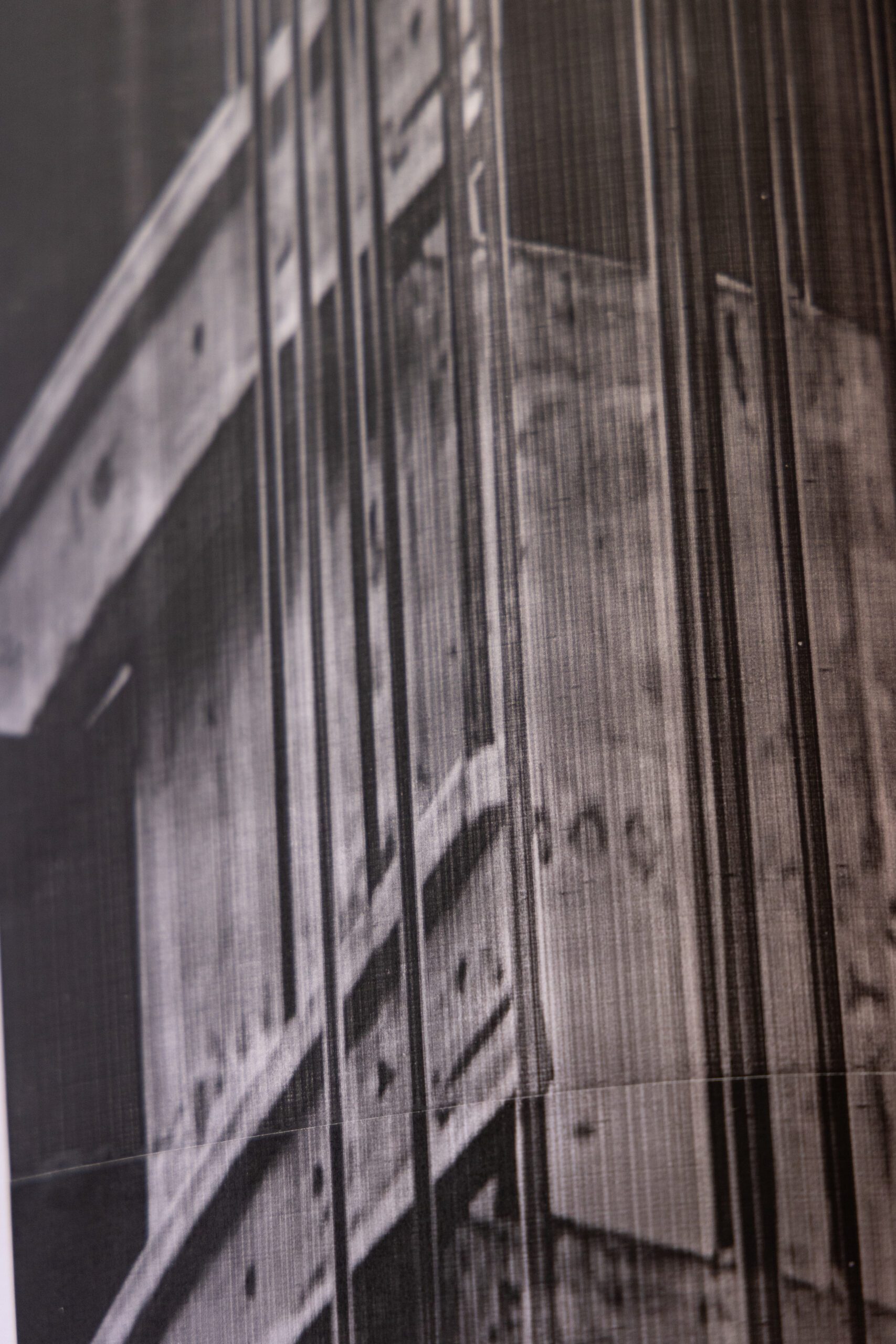
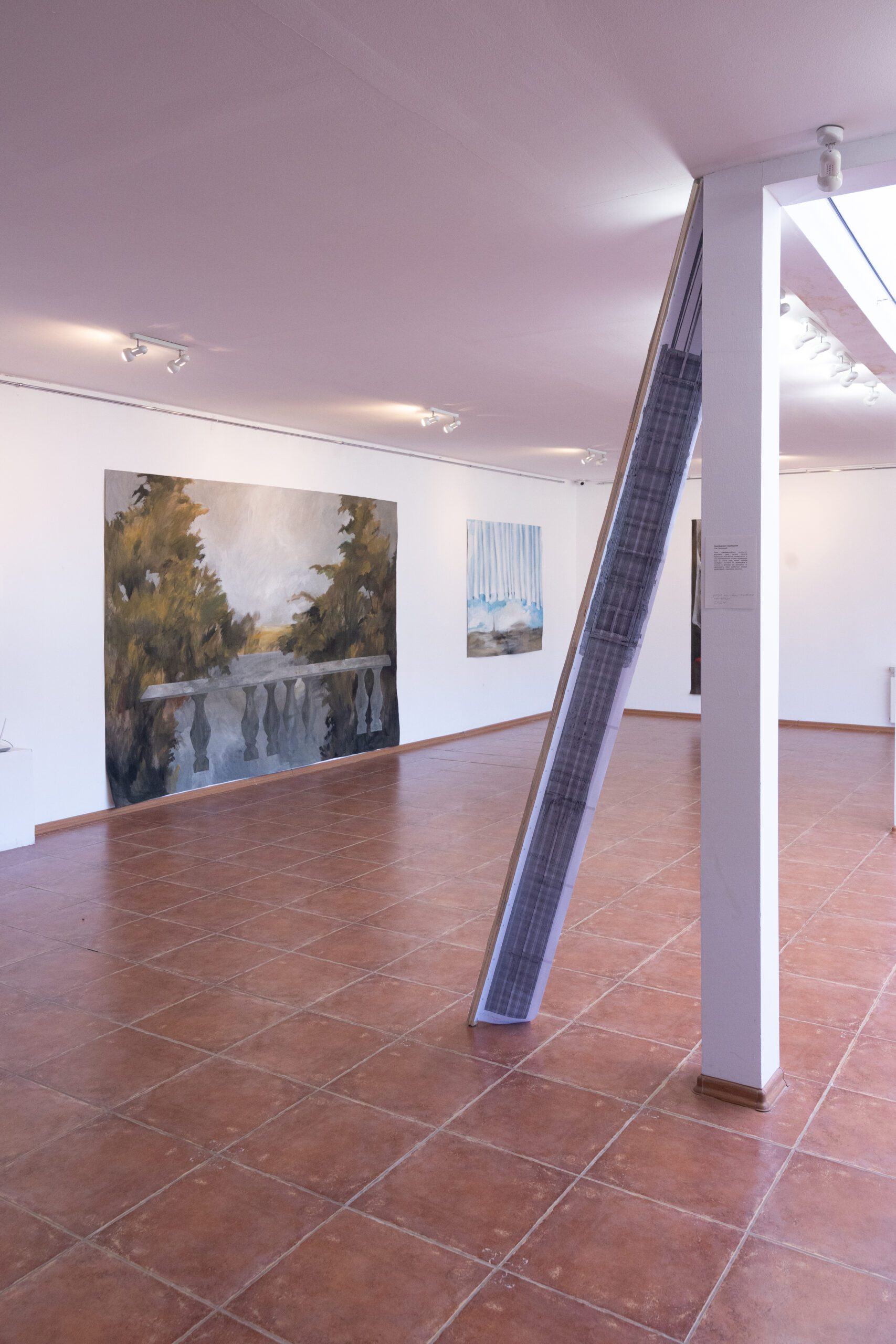
View of the exposition of Oleg Perkovskyi’s project “Column. Unfinished unfinished buildings”.
Author’s text:
“After the full-scale Russian invasion, one part of the construction projects remains unfinished, and the other, turning into a mixture of construction dust and missile fragments, disappears. The unfinished column is tilted and turned into a notebook with notes on the probability or impossibility of the appearance of a future structure designed in the recent past.”
Photo credit of exhibition documentation Mykhailo Melnychenko
Video overview of the exposition from the group exhibition “Пам’ятна записка / Pro memoria”. Residence Sorry No Rooms Available, Transcarpathian People’s Museum of Architecture and Life, April 19 – May 1, 2024. Curator: Petro Ryaska; Participants: Sashko Dolgiy, Olena Kurzel, Oleg Perkovskyi, Karina Synytsia, Dmytro Soloviov.
Video credit Petro Ryaska