
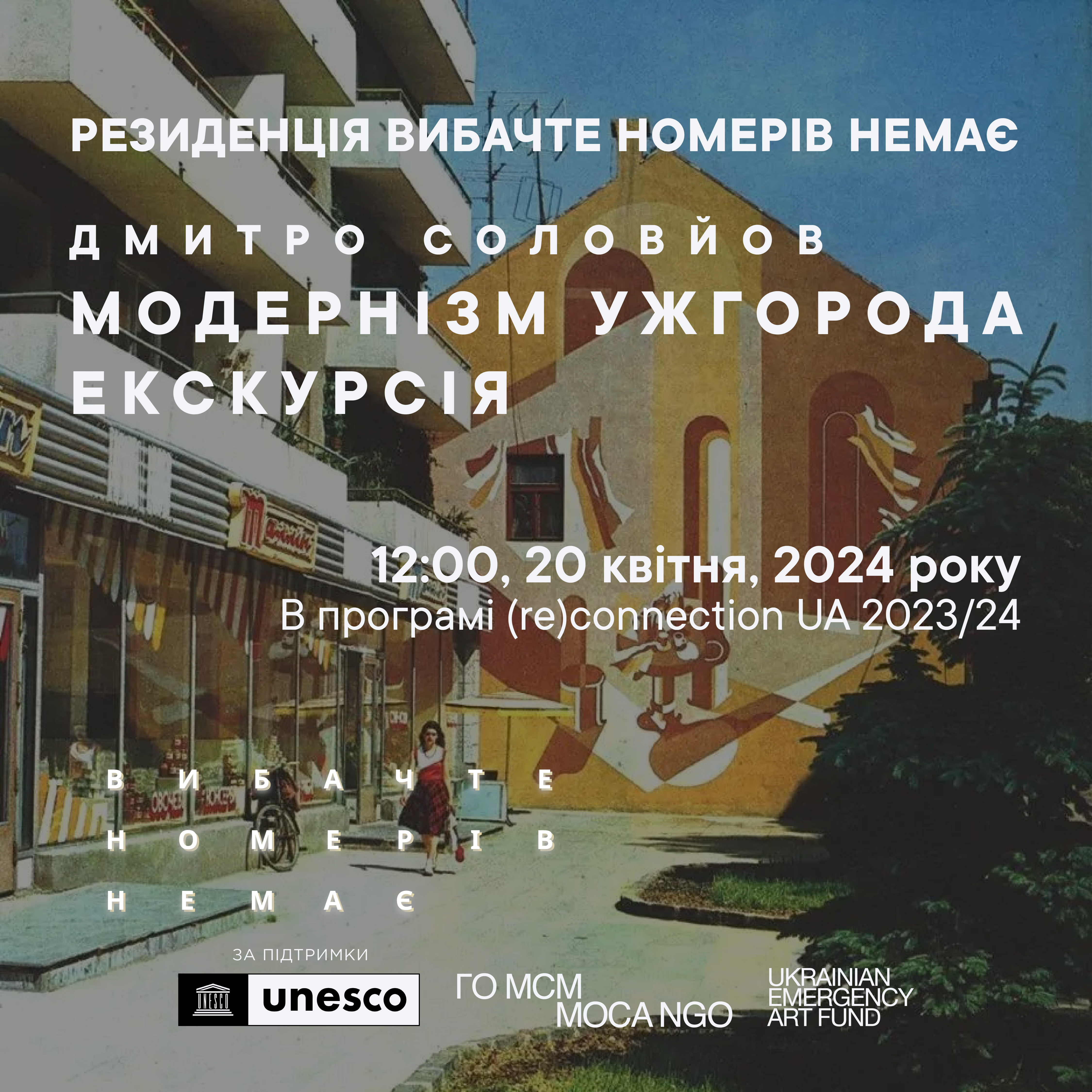
Dmytro Soloviov
Modernism of Uzhgorod – An inconvenient legacy
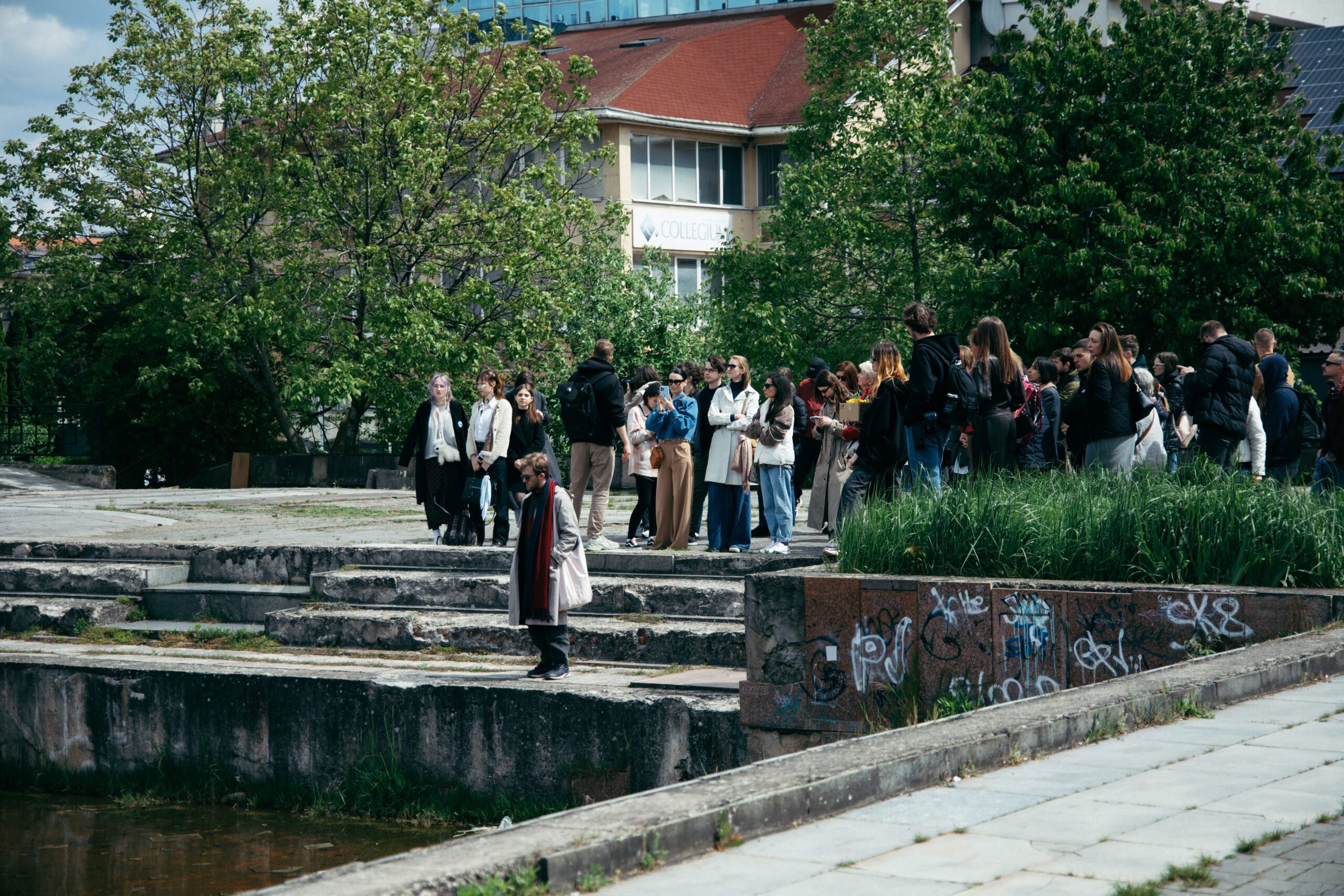
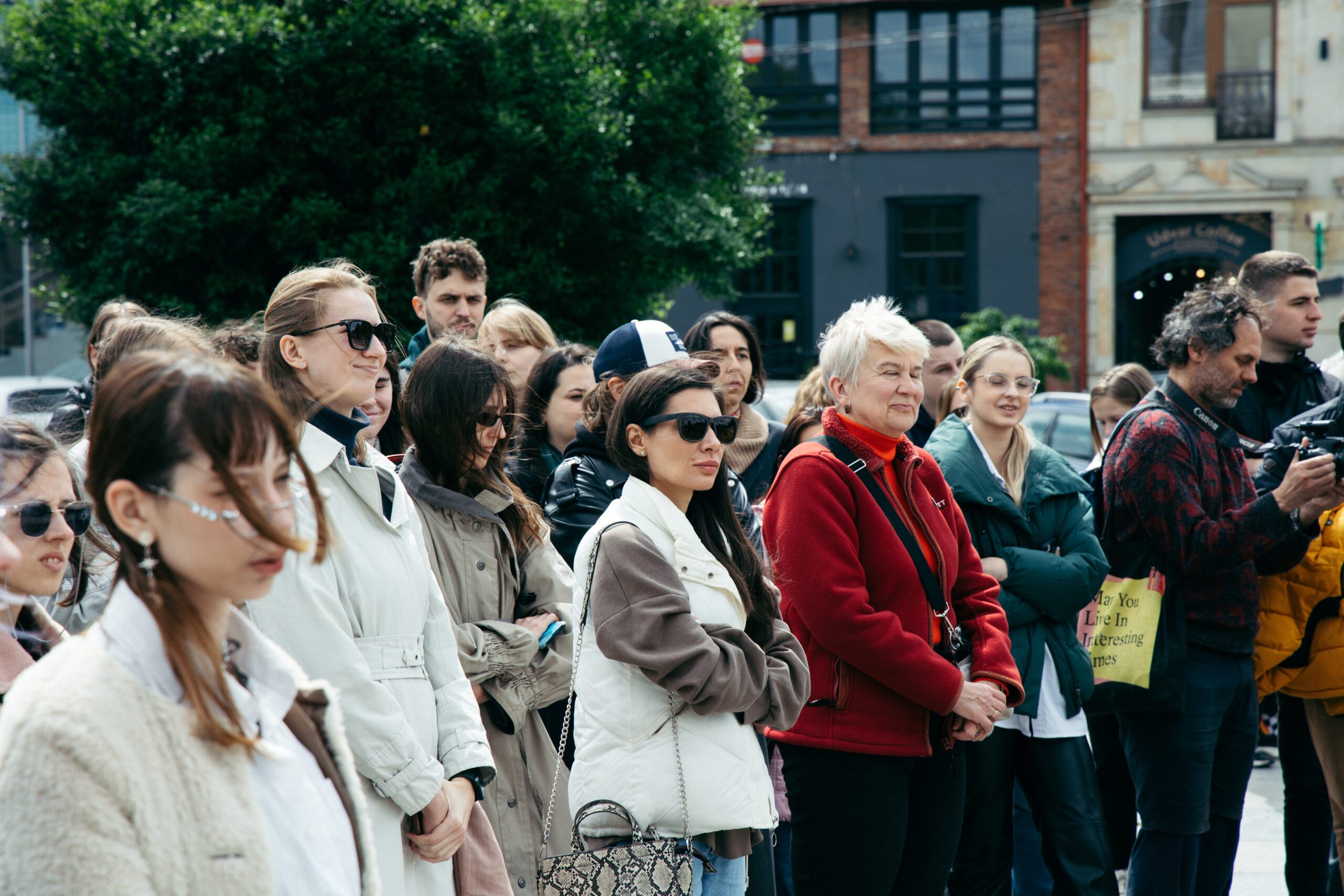
Excursion – performative presentation
Residence Sorry No Rooms Available
April 20, 2024, Uzhhorod
Author’s text:
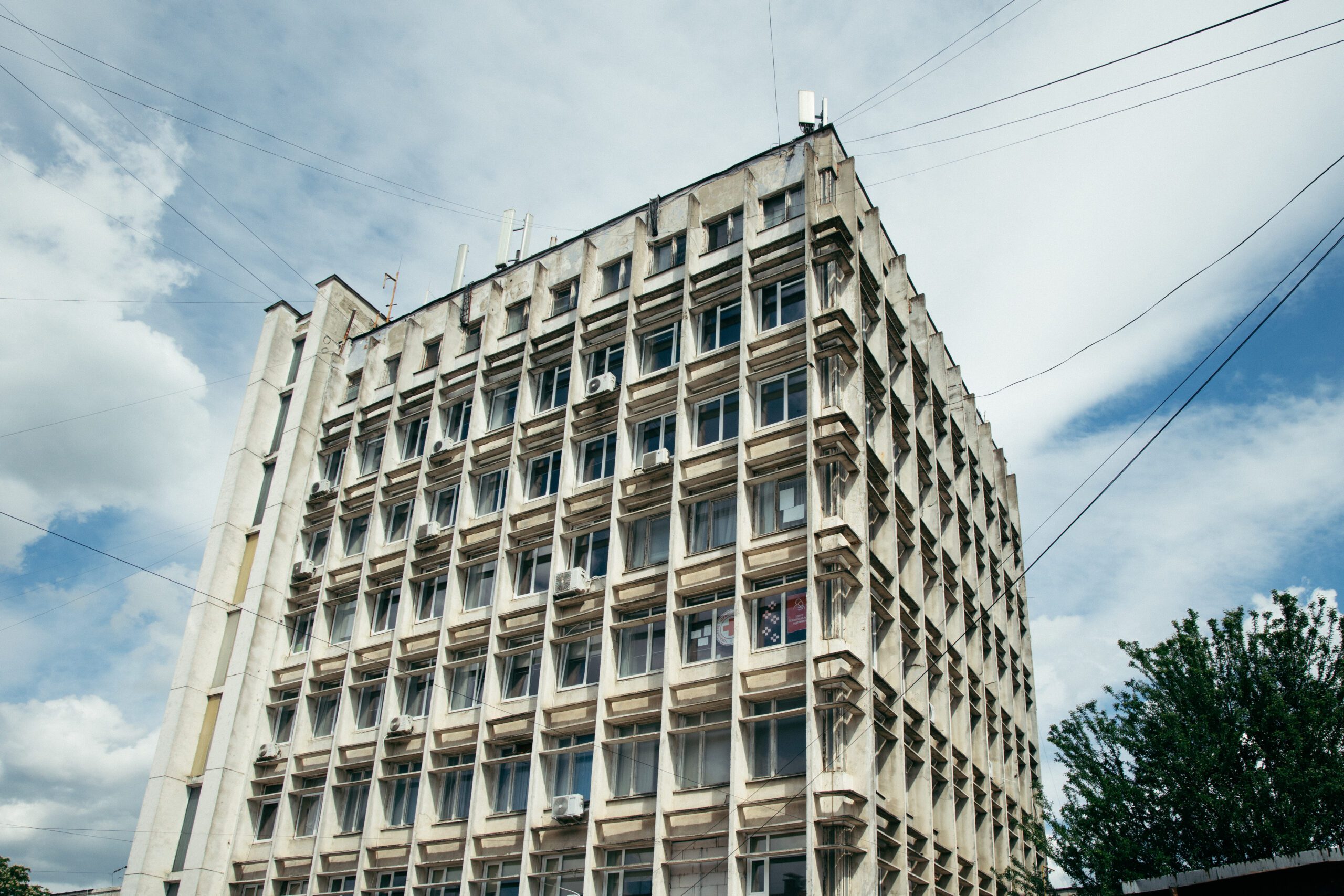
I have spent the last two months researching the architecture of Uzhhorod the second half of the 20th century – the time when Uzhhorod became part of Ukraine. At that time, modernism reigned throughout the world, and Uzhhorod had two stages of construction in this style – Czechoslovak modernism and Ukrainian Soviet modernism.
Czechoslovak heritage is respected in Uzhhorod. It is loved, research projects are dedicated to it, and books are published about.
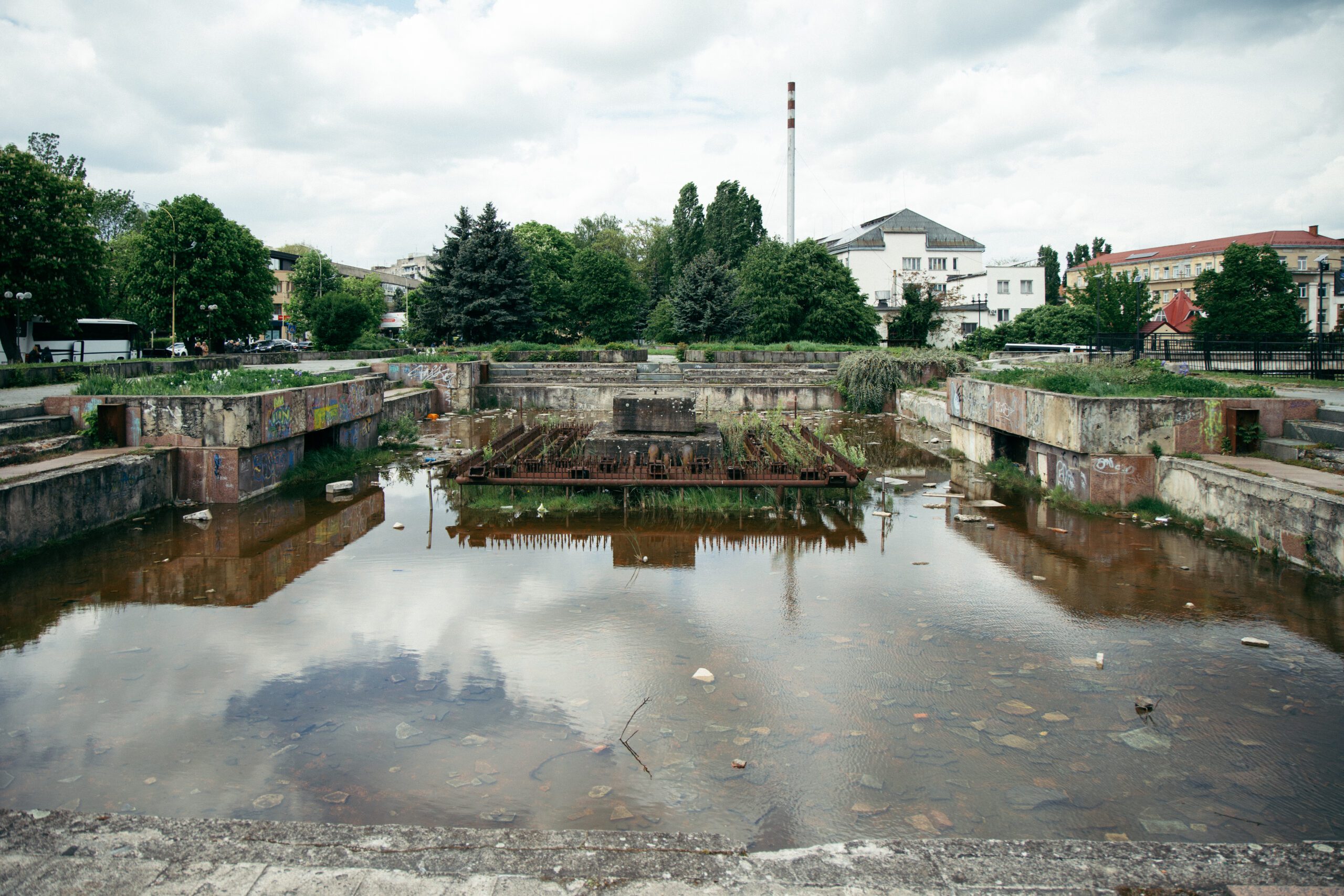
What cannot be said about the Ukrainian architecture of the Soviet period. Many Ukrainians often do not understand it, actively stigmatize it and even reject it as foreign. Russia’s full-scale invasion of Ukraine and the systematic destruction of our heritage should have united Ukrainians around it, but the opposite happened. We branded the Ukrainian Soviet heritage as hostile and began to actively destroy it, actually helping the russians in this. And forgetting that this architecture and mosaics were created by Ukrainians, professional architects and artists who tried to create a comfortable and aesthetic urban environment. On the other hand, the modern dictatorship of developers, for whom the only goal is profit, which turns our cities into solid ghettos from the gas block, confuses few people.
Will we have time to accept and make sense of our uncomfortable legacy before we destroy it completely?
Continuing to host Ukrainian artists after the full-scale russian invasion of Ukraine, the SNRA Residence draws attention to the role of culture and art during the russian-Ukrainian war. Performing the function of the residence, which takes place in the brutalist, architectural hotel complex of the Intourist-Zakarpattia hotel, raises the issue of tangible and intangible cultural heritage. Preserving the value of critical memory of history.
Sorry No Rooms Available Residence is supported as part of the (re)connection UA 2023/24 program, implemented by the NGO “Museum of Contemporary Art” and the Ukrainian Emergency Art Fund (UEAF) in partnership with UNESCO and financed through the UNESCO Emergency Heritage Fund.
The (re)connection UA 2023/24 program is aimed at restoring ties between artists and their audiences, supporting artists as actors in preserving the cultural identity of Ukraine, implementing new approaches to the culture of memory, strengthening the stability and adaptability of institutions, communities, artists to the challenges of wartime
#reconnectionua
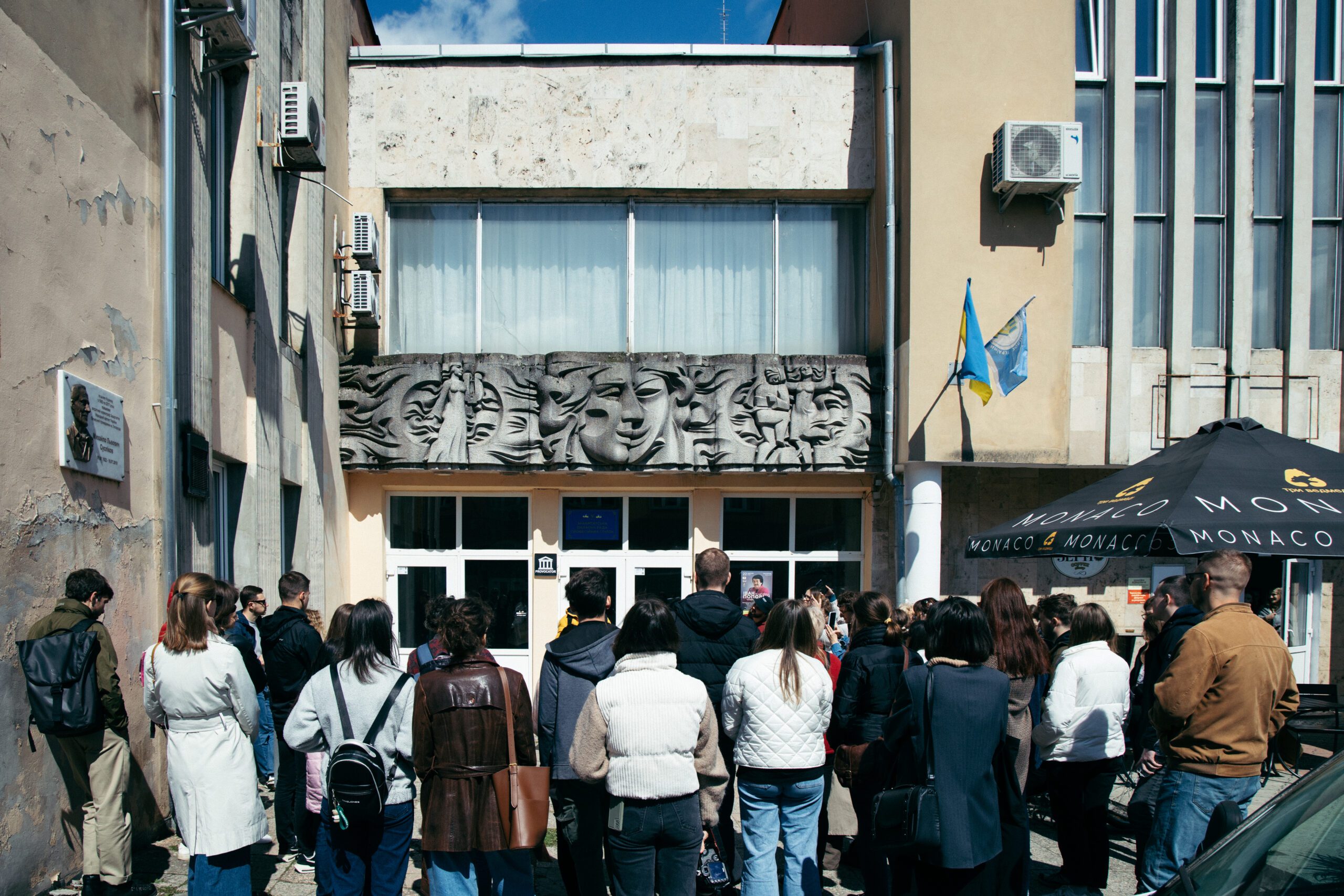
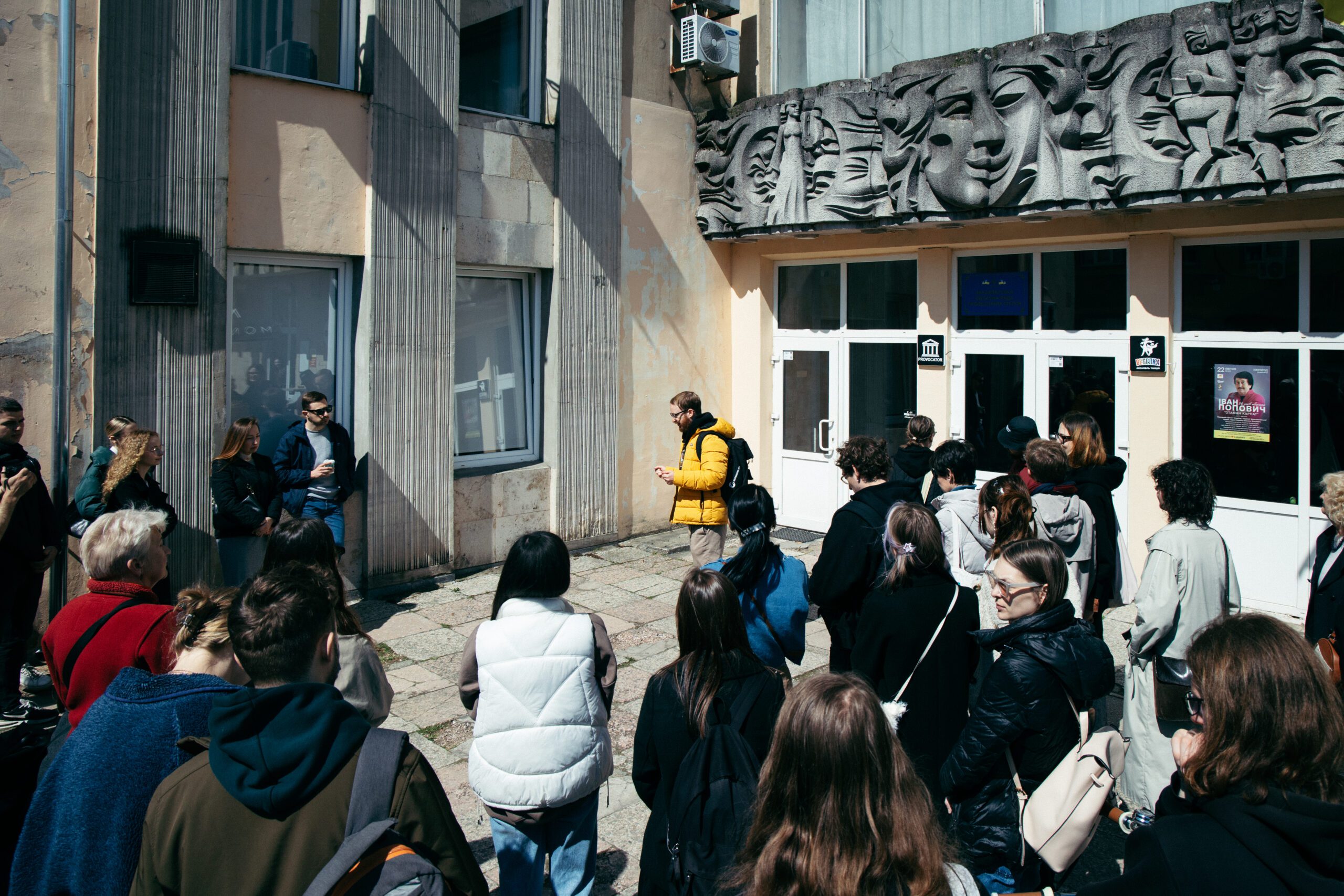
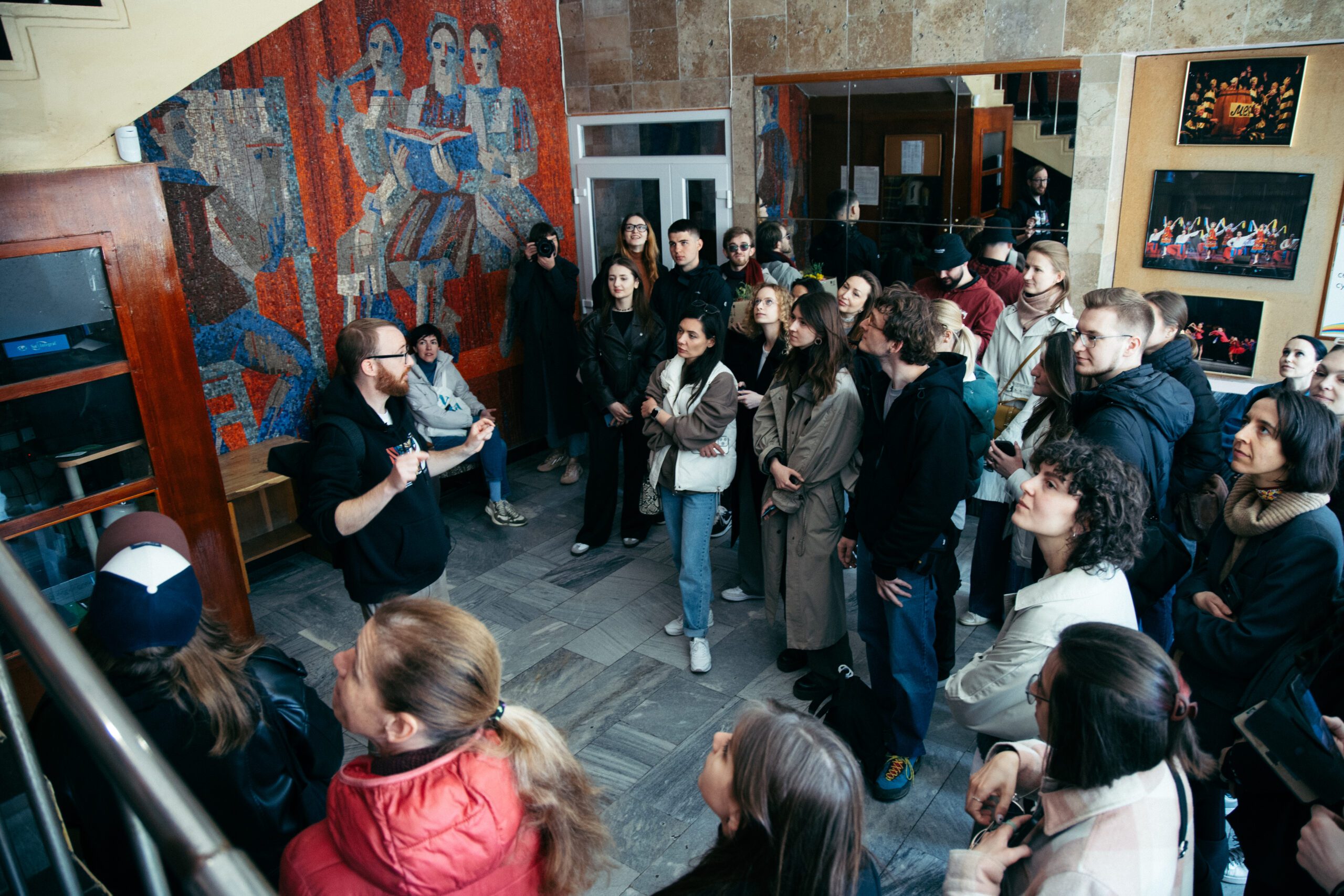
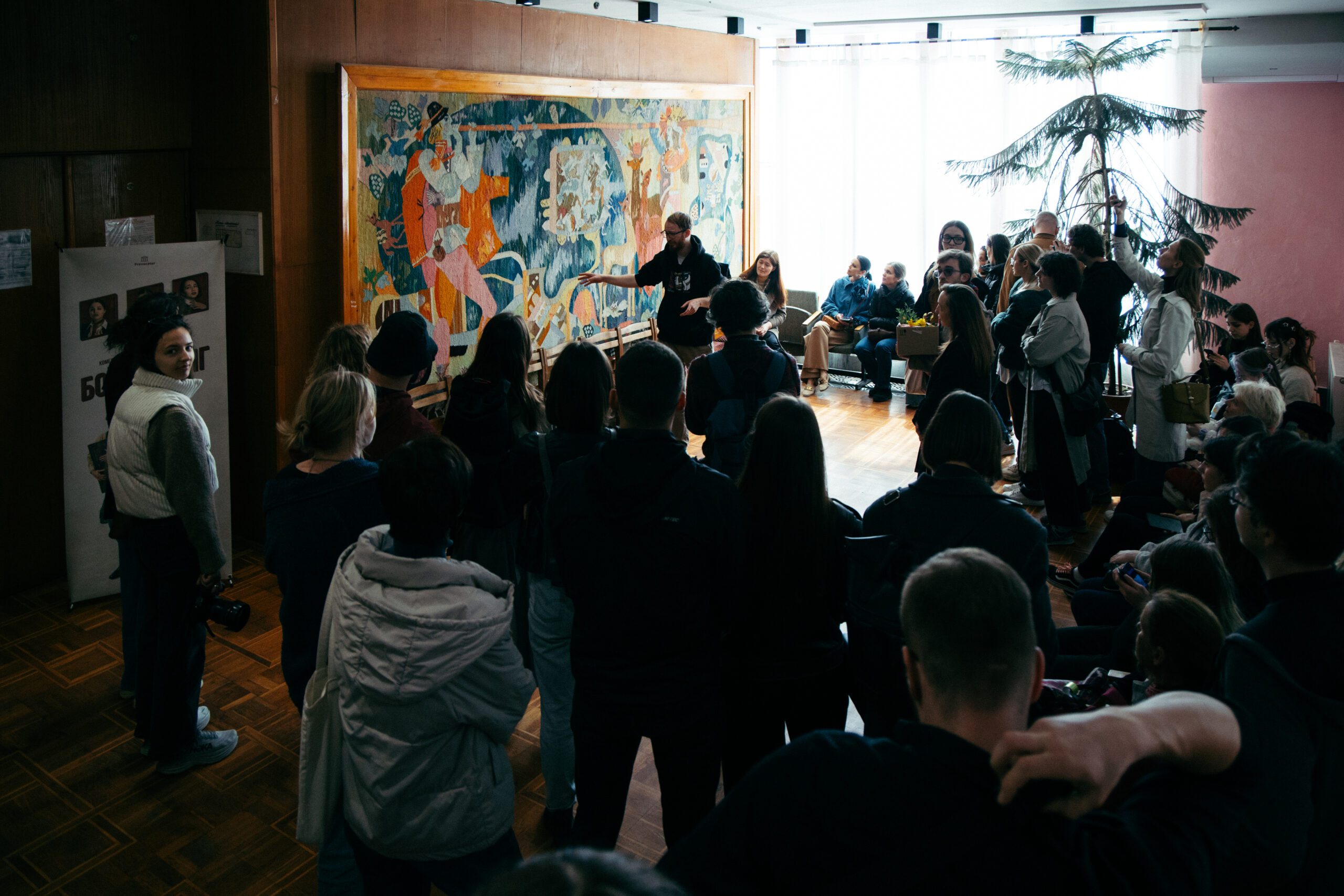
Regional House of Culture of Trade Unions: Relief by Petro Bidzilia, 1982. Mosaic “Peaceful Labor”, authors: Attila Dunchak, Petro Feldeshi, Volodymyr Bazan, 1982. Tapestry by Tereziya Chuvalova, “Play, Trembito, Play”, 1981. Relief frieze of the balcony of the auditorium authorship Harry Chuvalov. Photo credit Mykhailo Melnychenko
Household house. Bas-relief “Symbols of labor” by Mykhailo Sanych, Mykhailo Popovych, Kostyantyn Lozovy, 1979. Photo credit Mykhailo Melnychenko
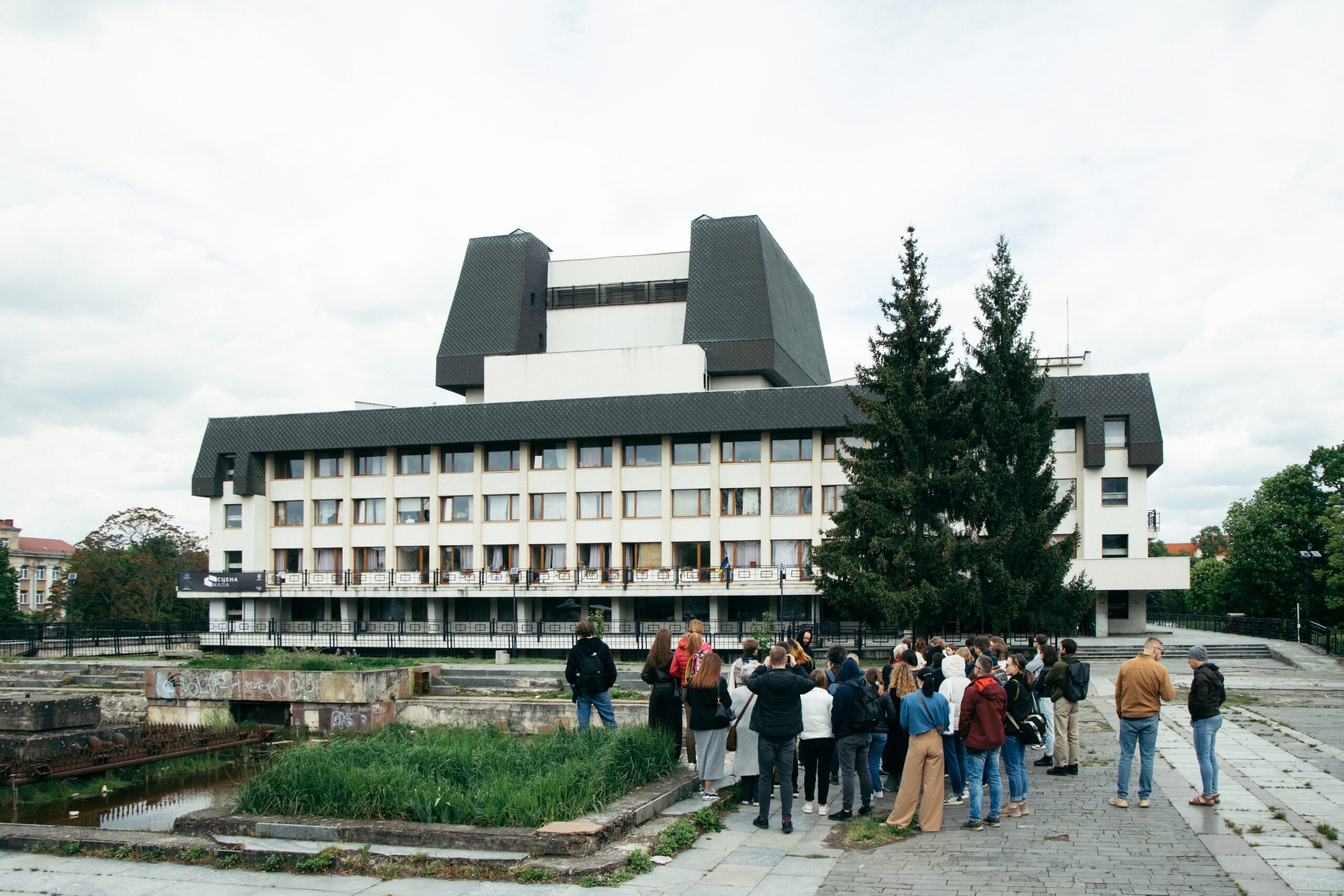
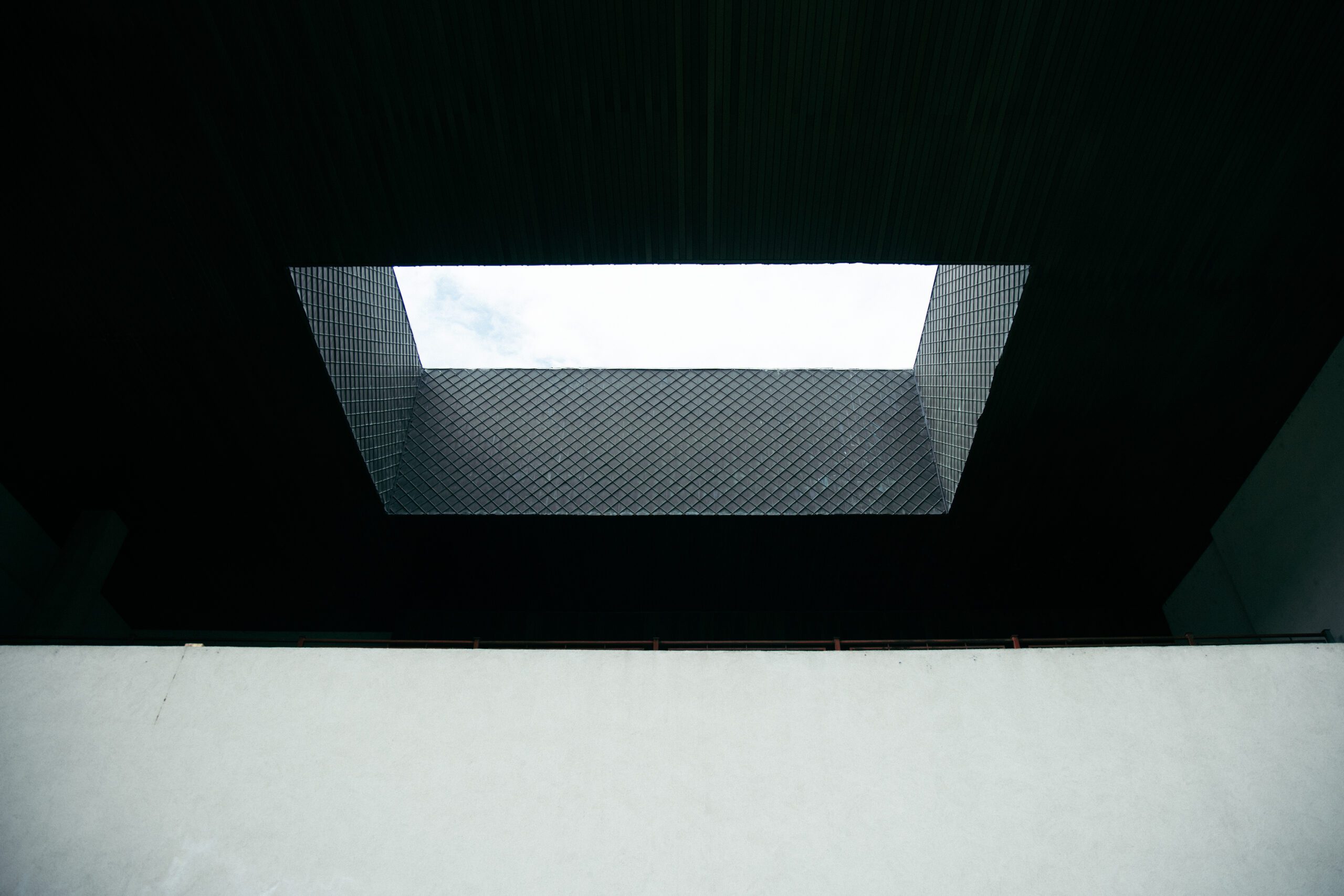
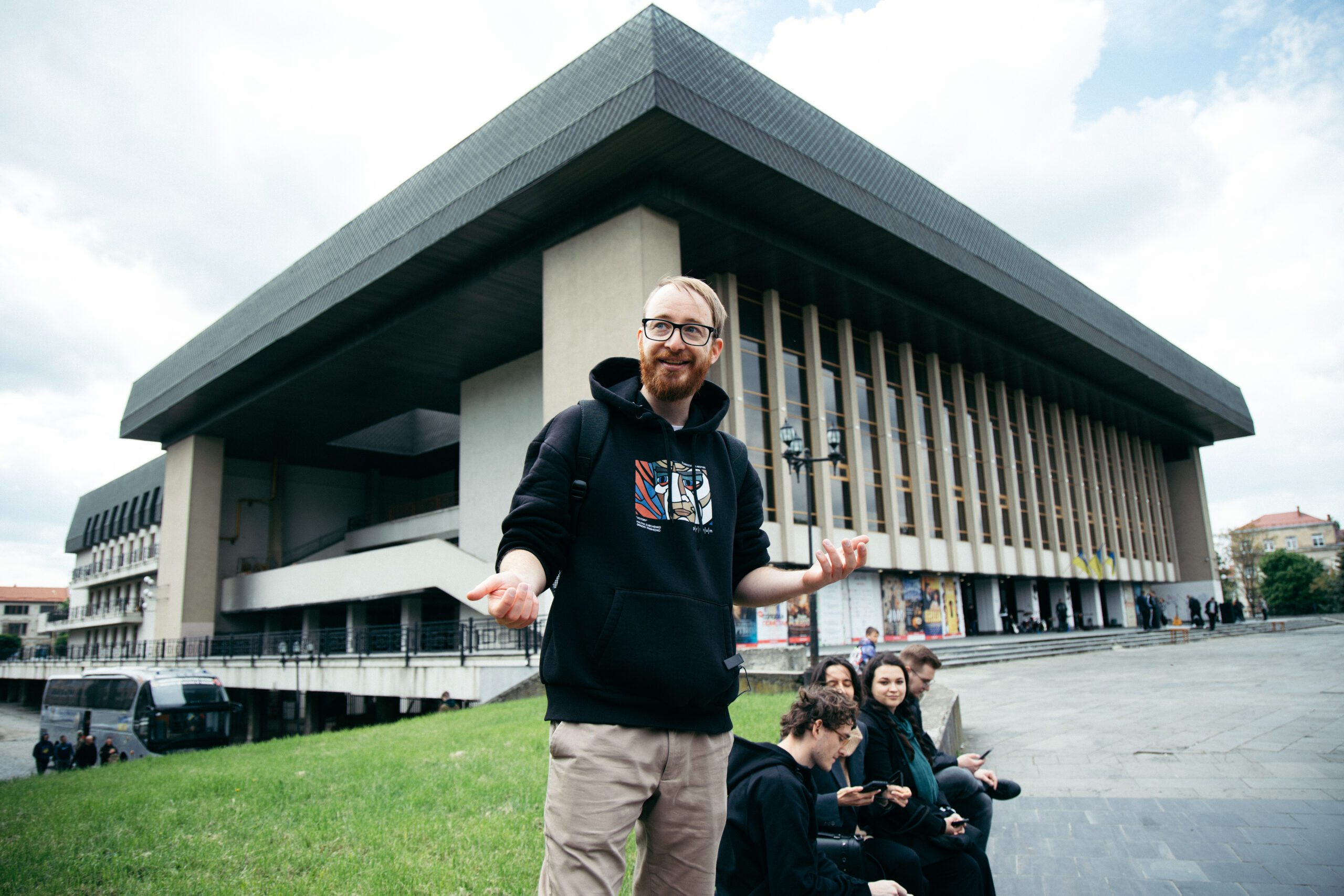
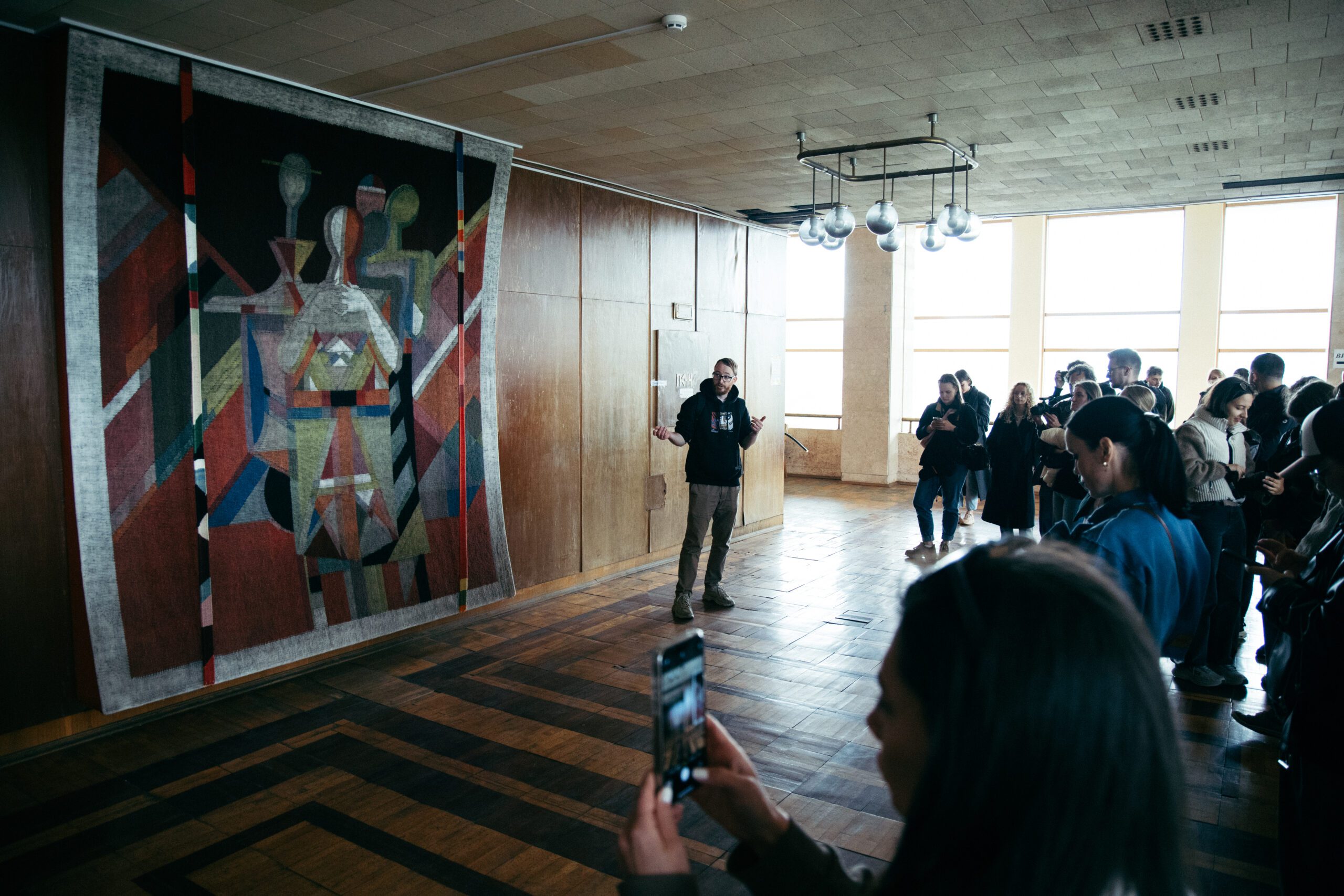
Transcarpathian Drama Theater. A triptych of tapestries “Modern Theater” by Teresia Chuvalova, 1987 is presented. A diptych of decorative wooden compositions “Rhythms of the Carpathians” by Maria Ivancho and Mihal Ivancho, 1987. A diptych of decorative wooden compositions “Carpathian Rhapsody” by Volodymyr Shchur, 1987. Volume – spatial composition made of glass, authors: Andriy Bokotey, Ferenc Erfan, Mykola Almazov, 1987. Wooden sculpture “In one family”, author Vasyl Svyda, 1982. Authors of the architecture and interiors, artistic design and scenery of the premises of the Transcarpathian Regional Drama Theater: Tomchani(?), Kazimir Medvetskyi and Kalman Stichleitner (together with Korchi Vali: visual presentation, photo documentation and layout) Photo credit Mykhailo Melnychenko
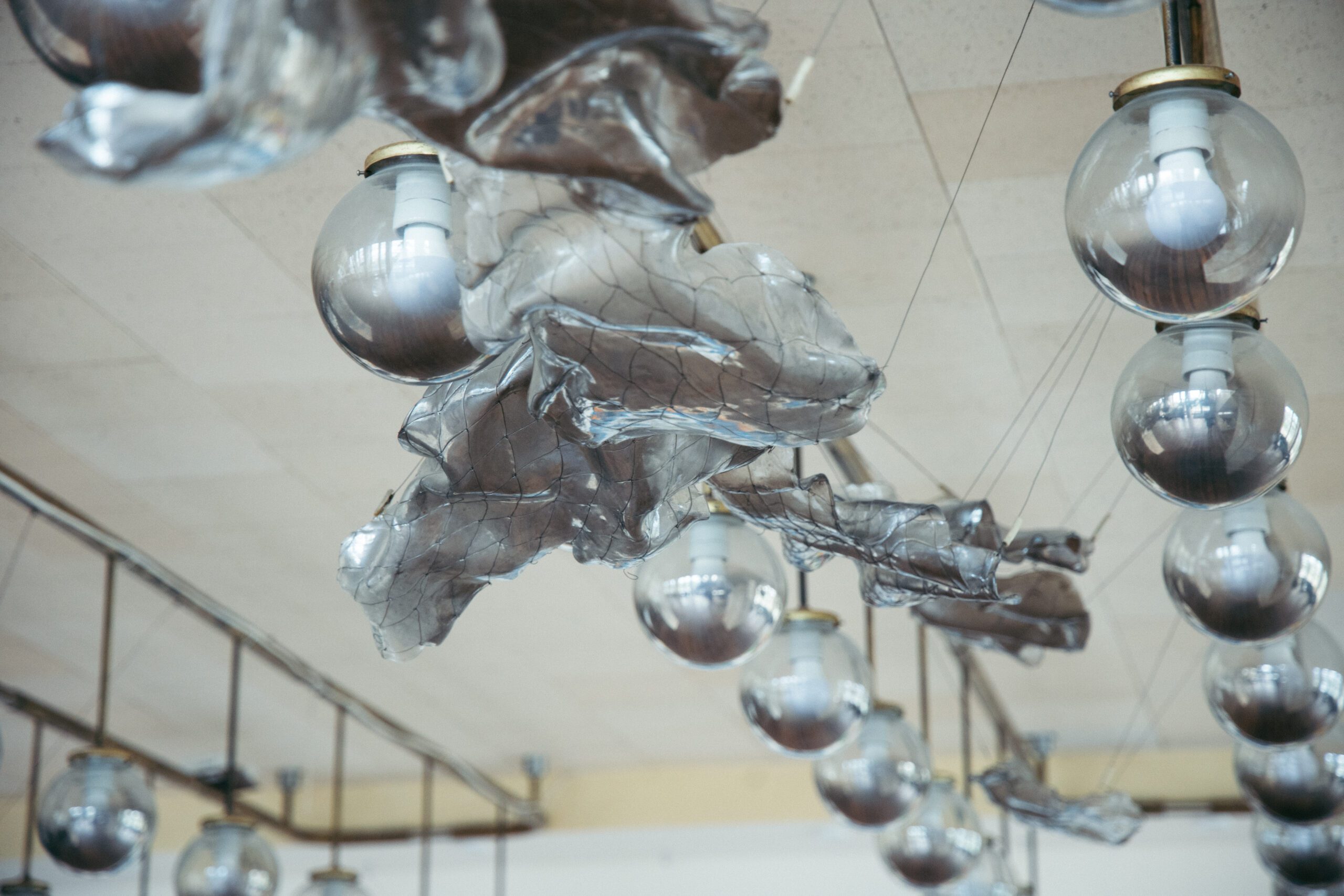
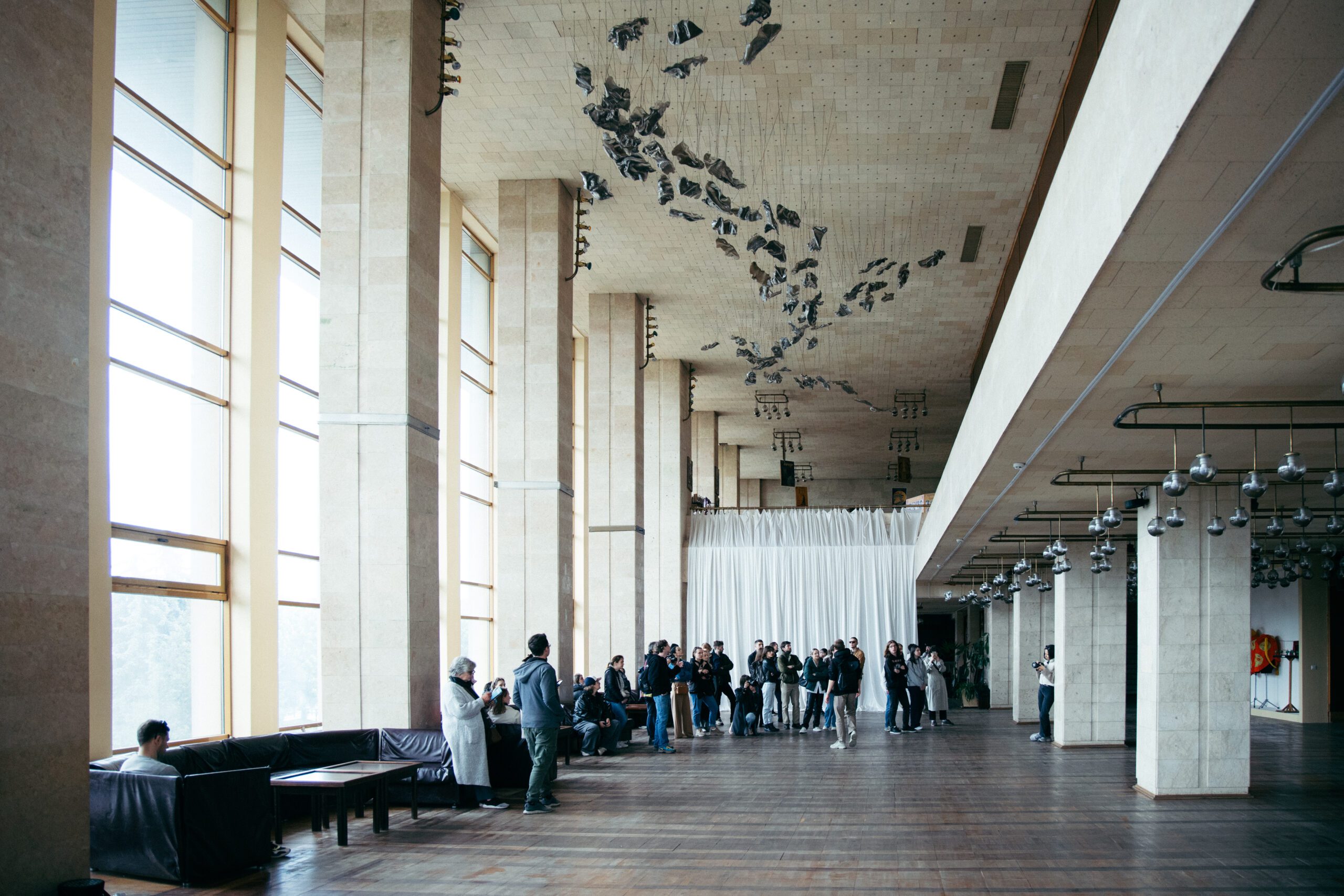
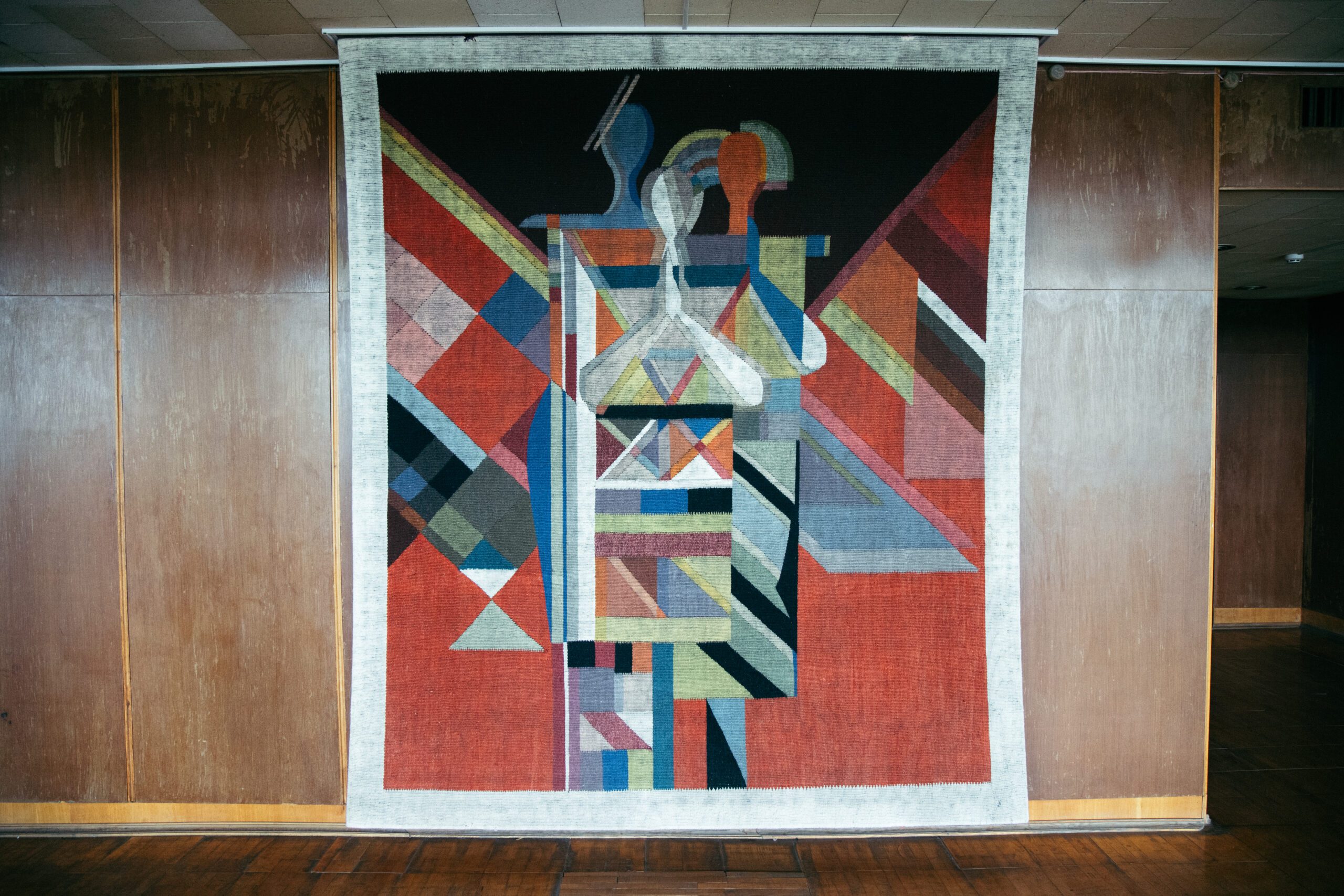
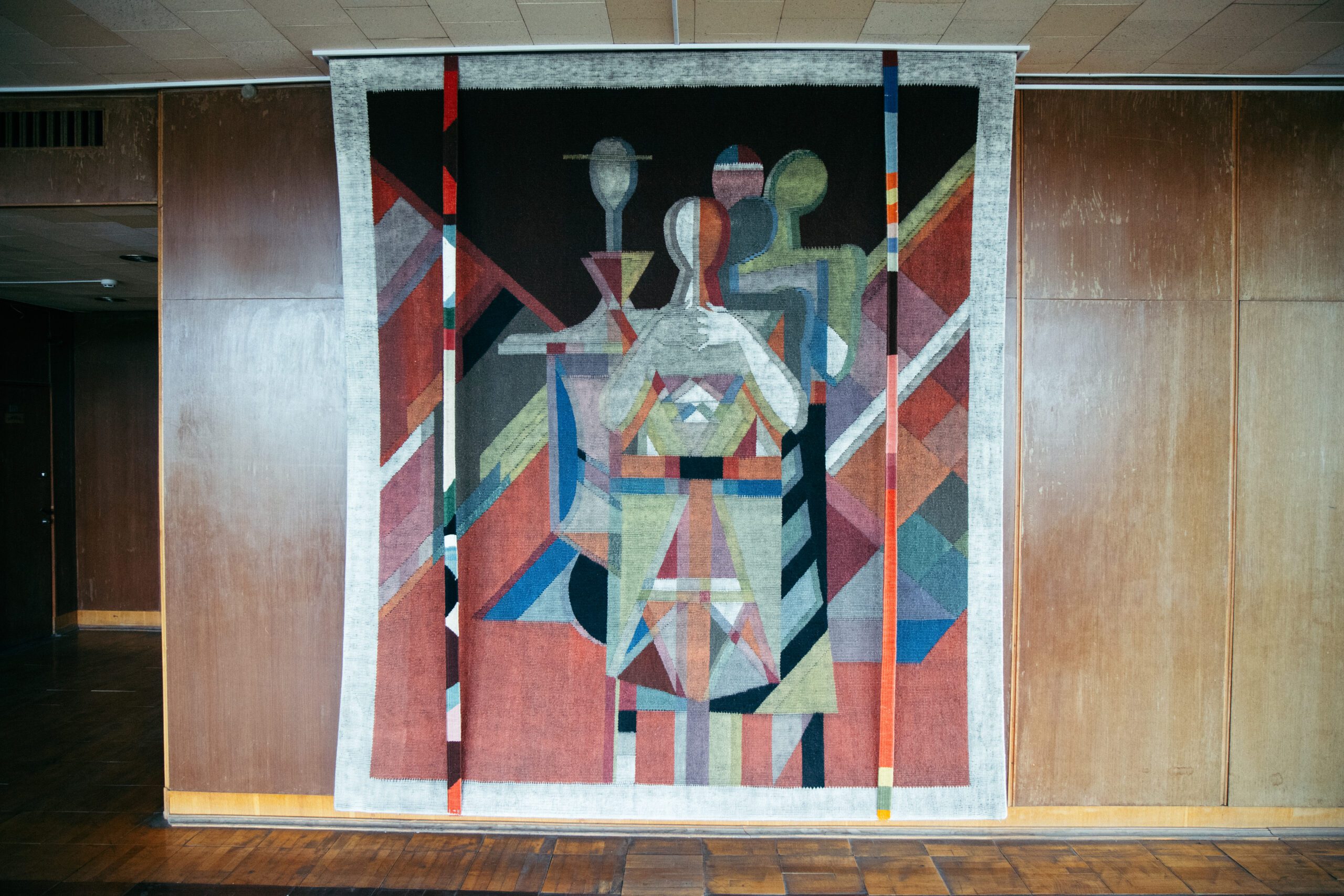
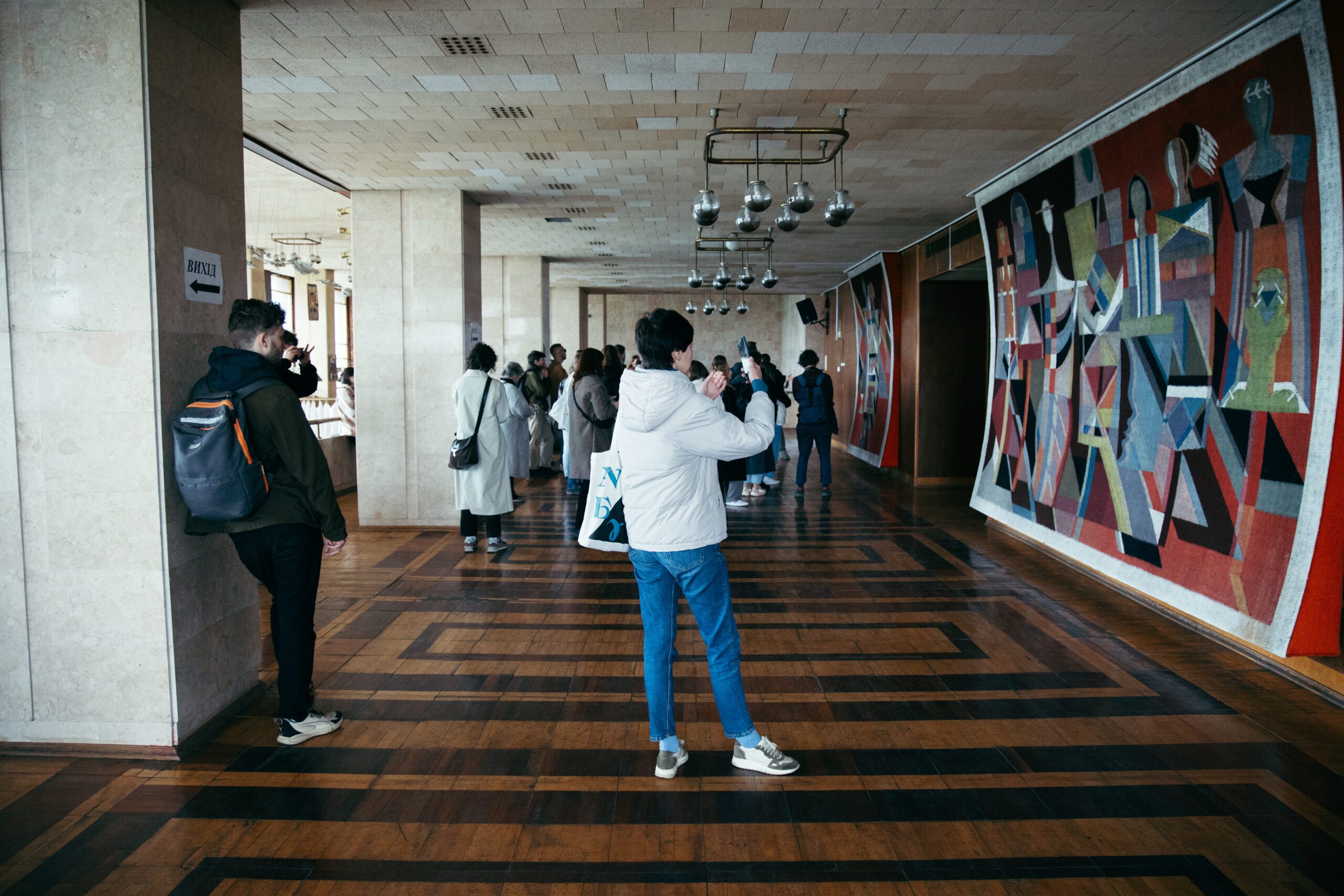
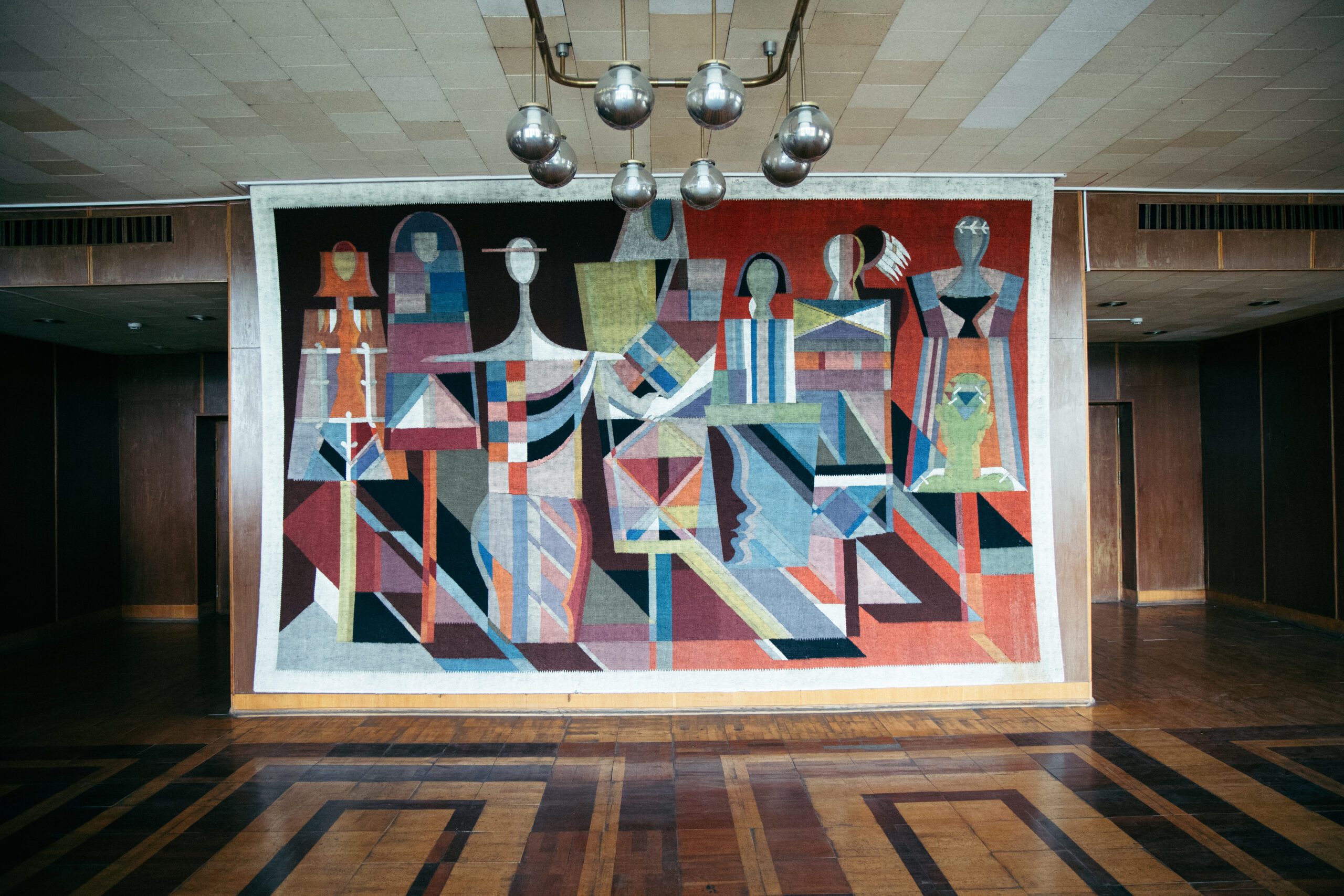
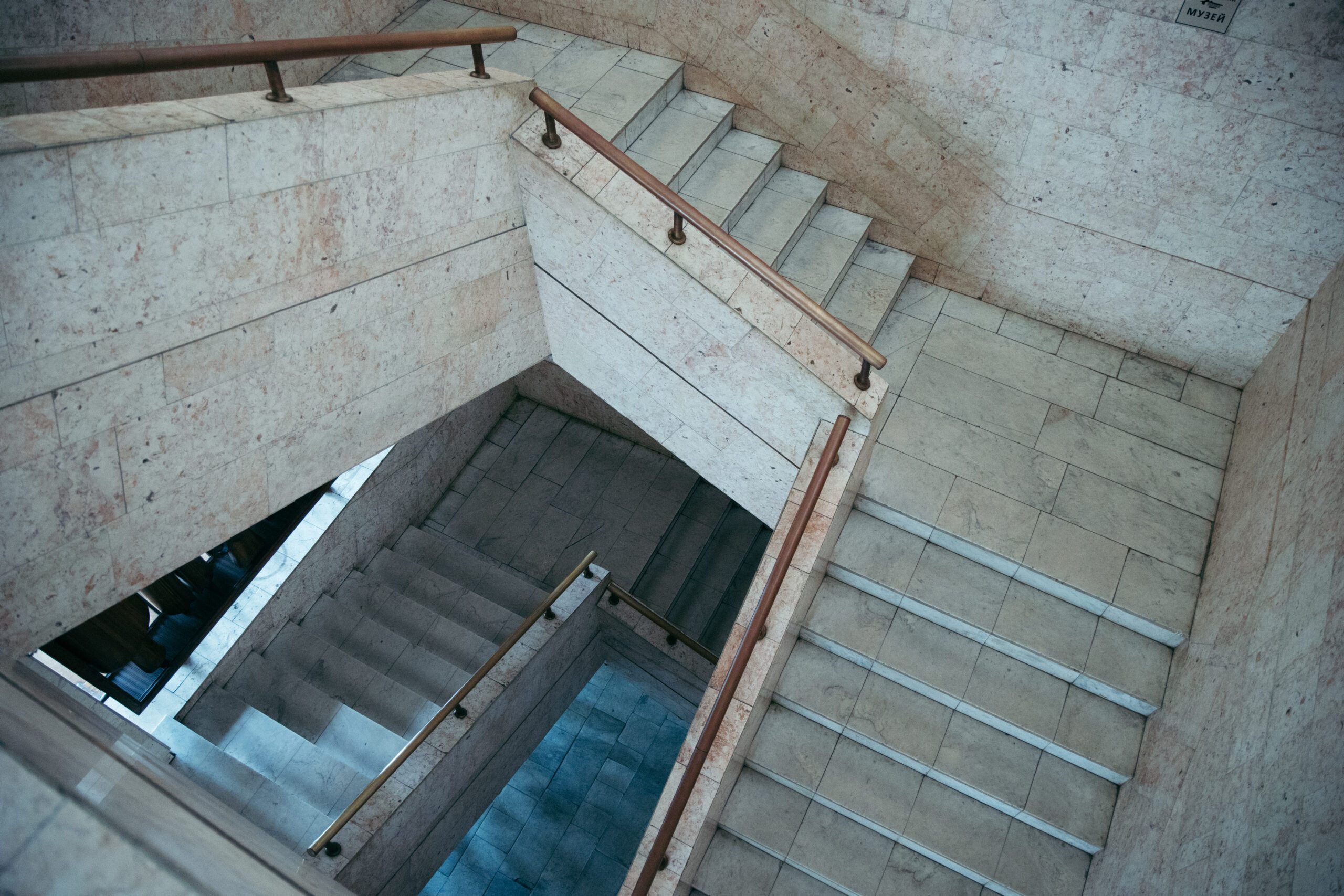
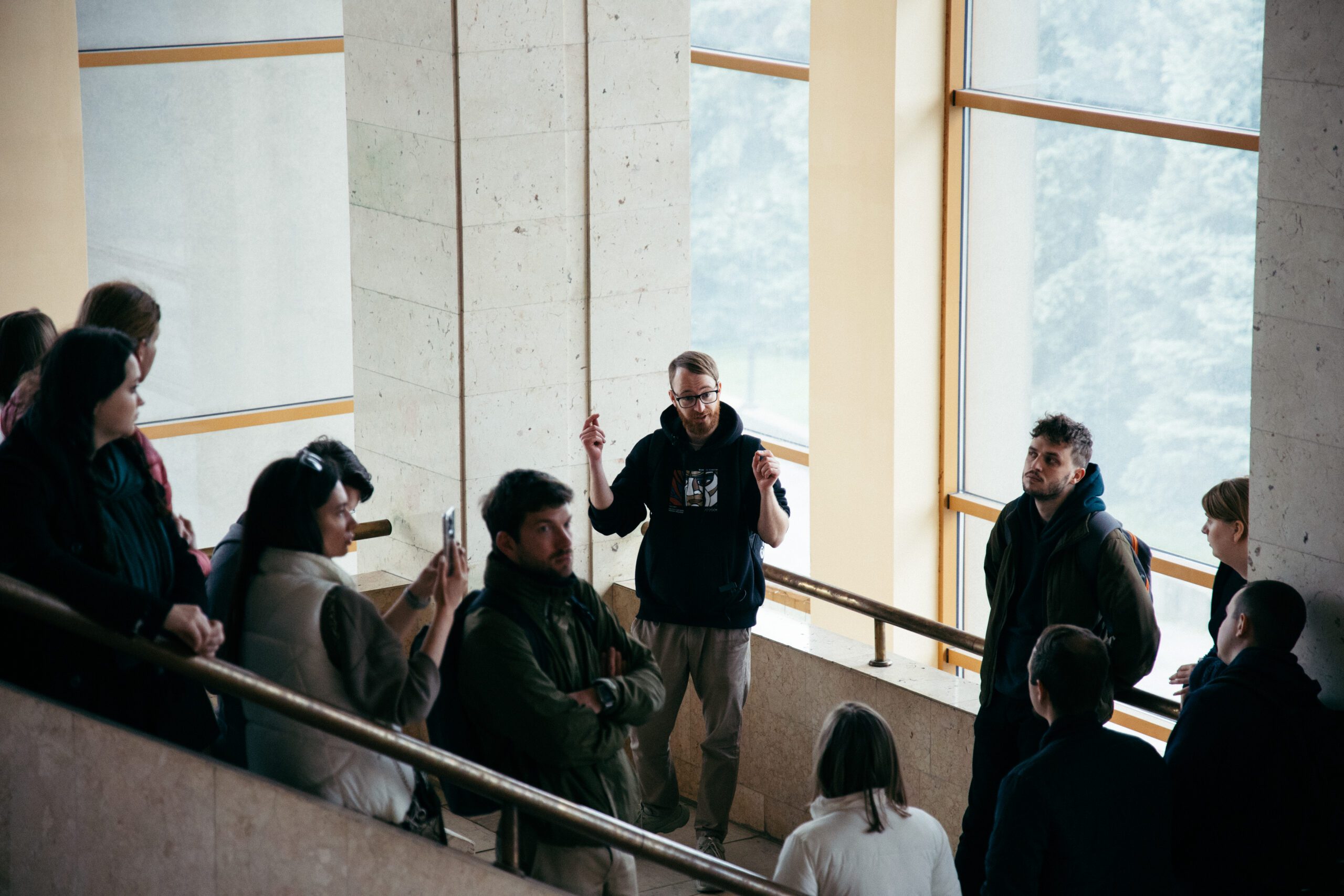
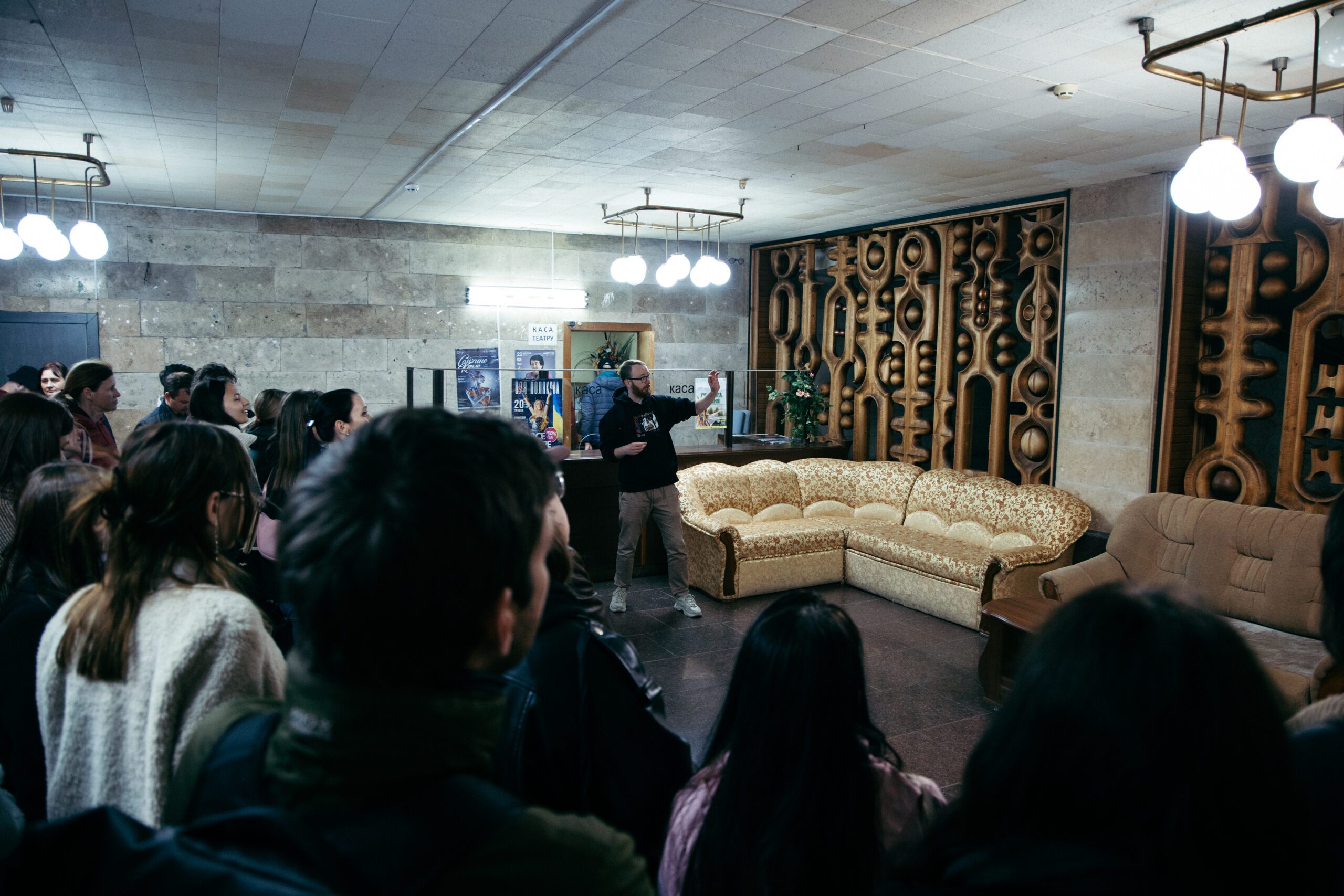
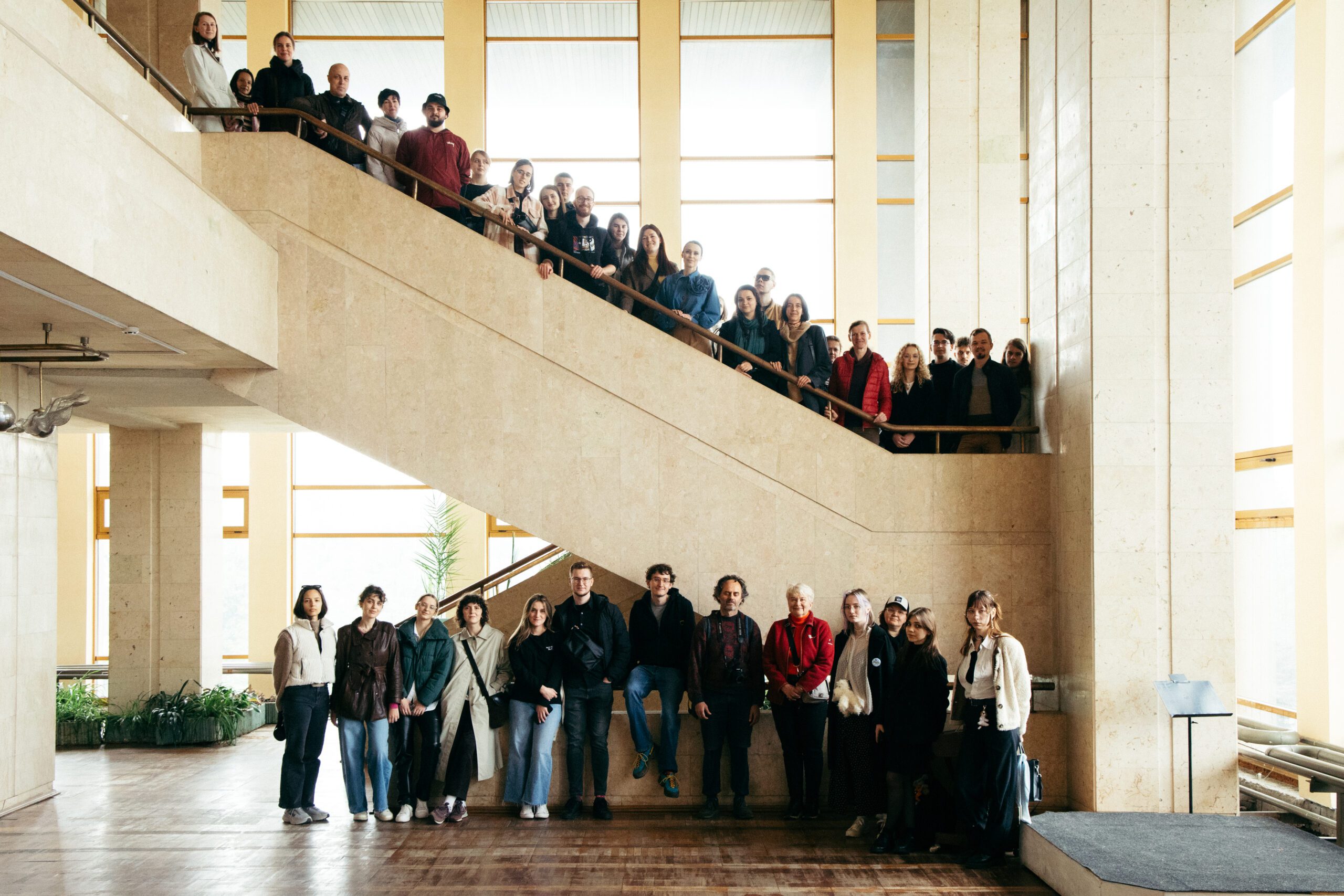
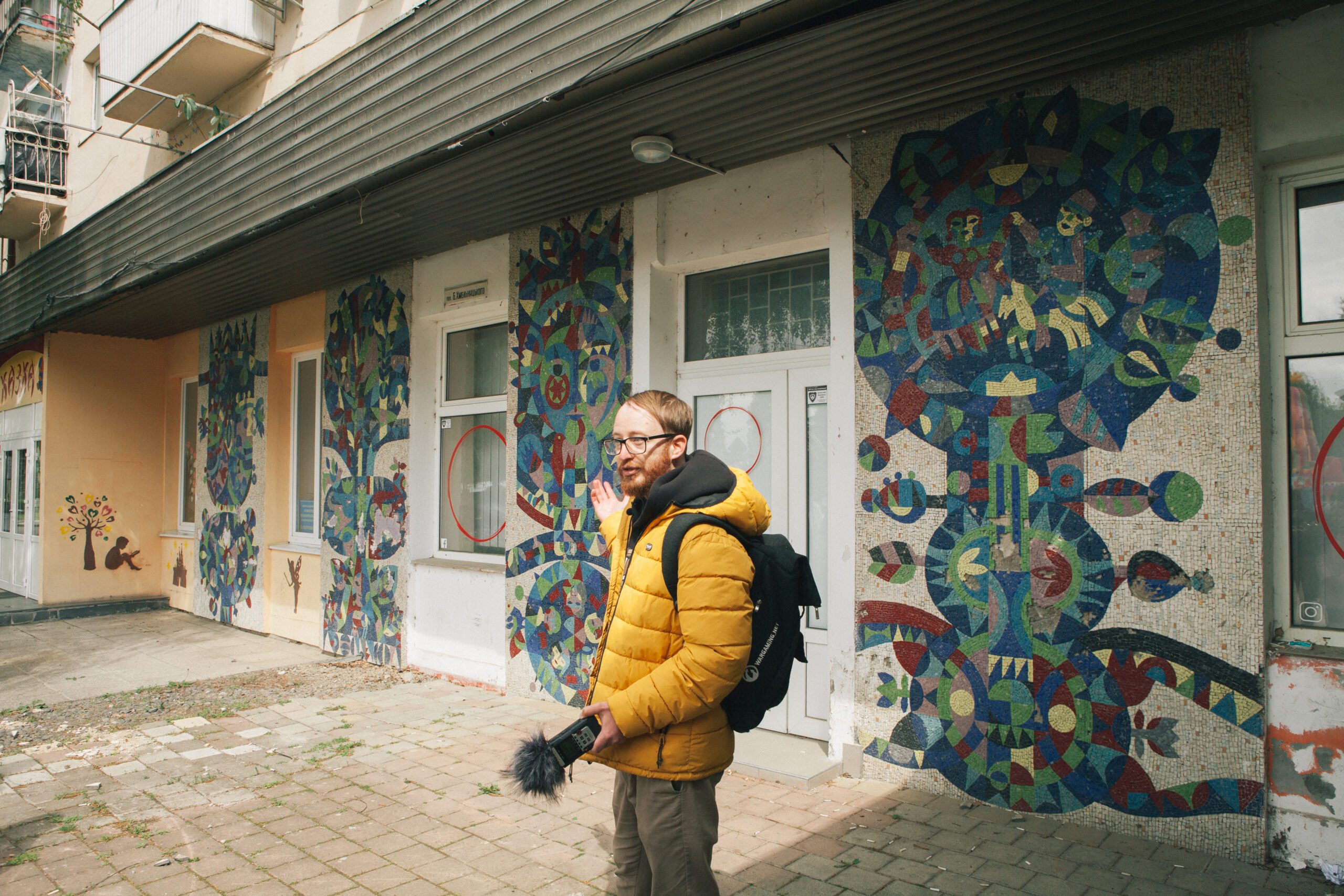
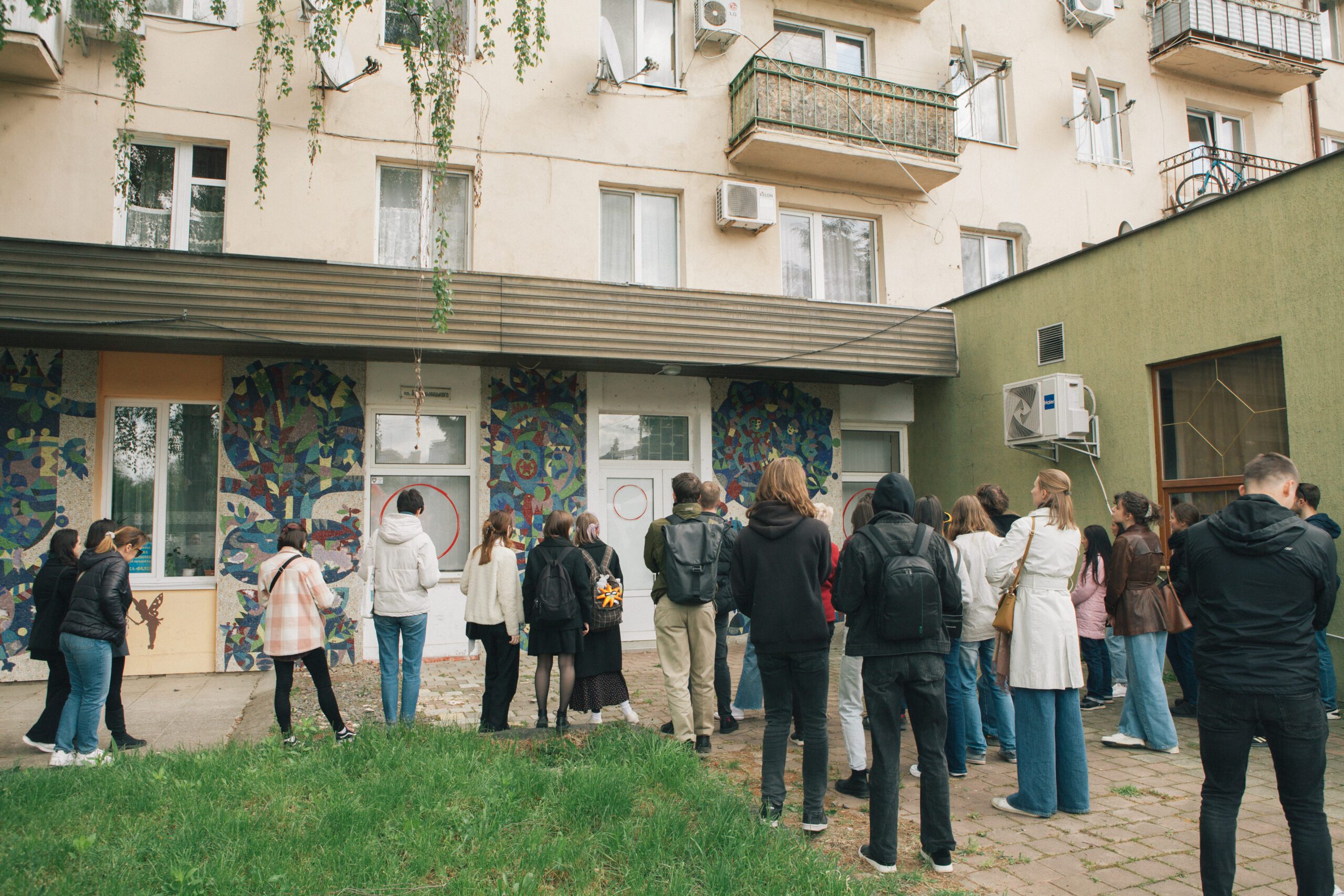
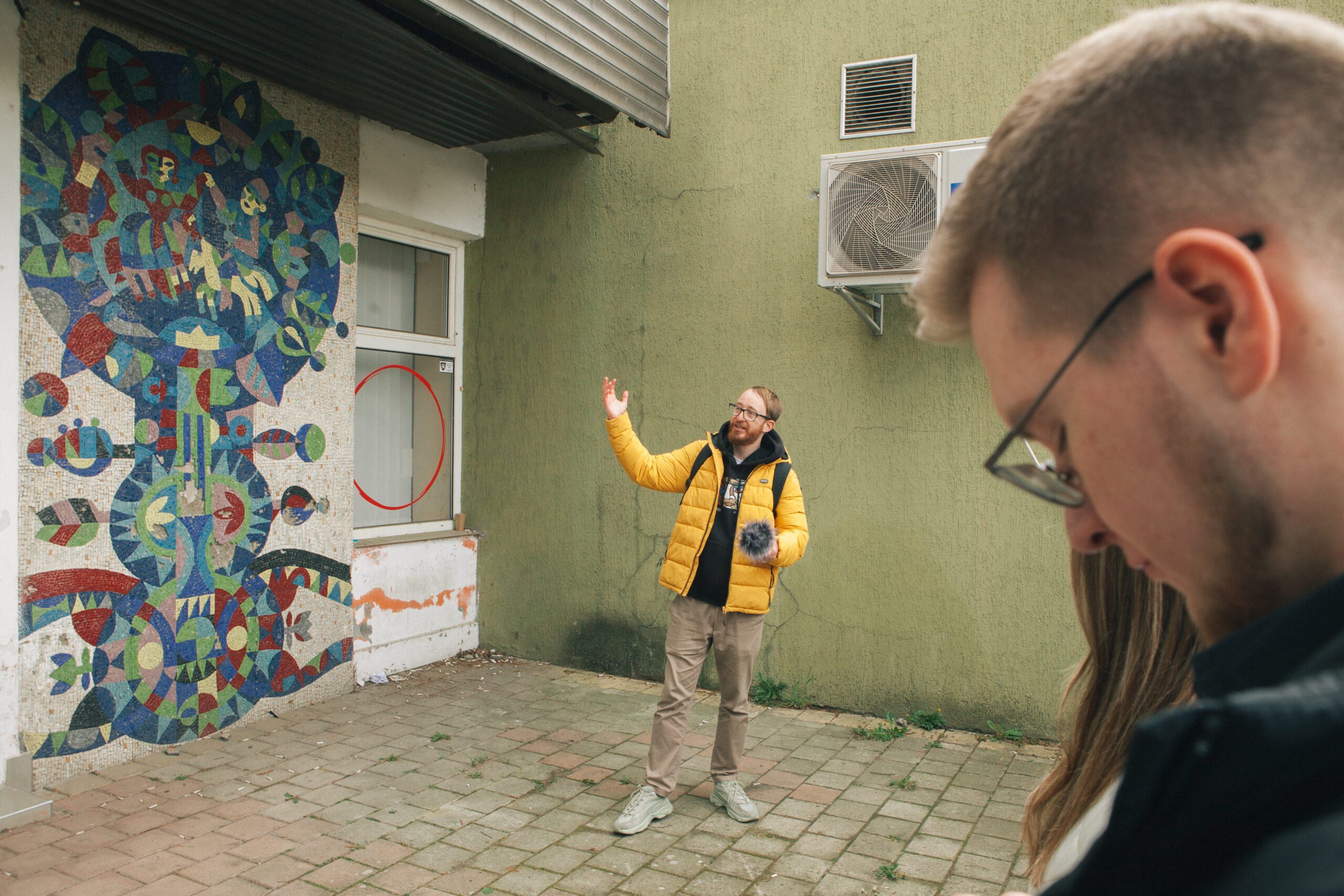
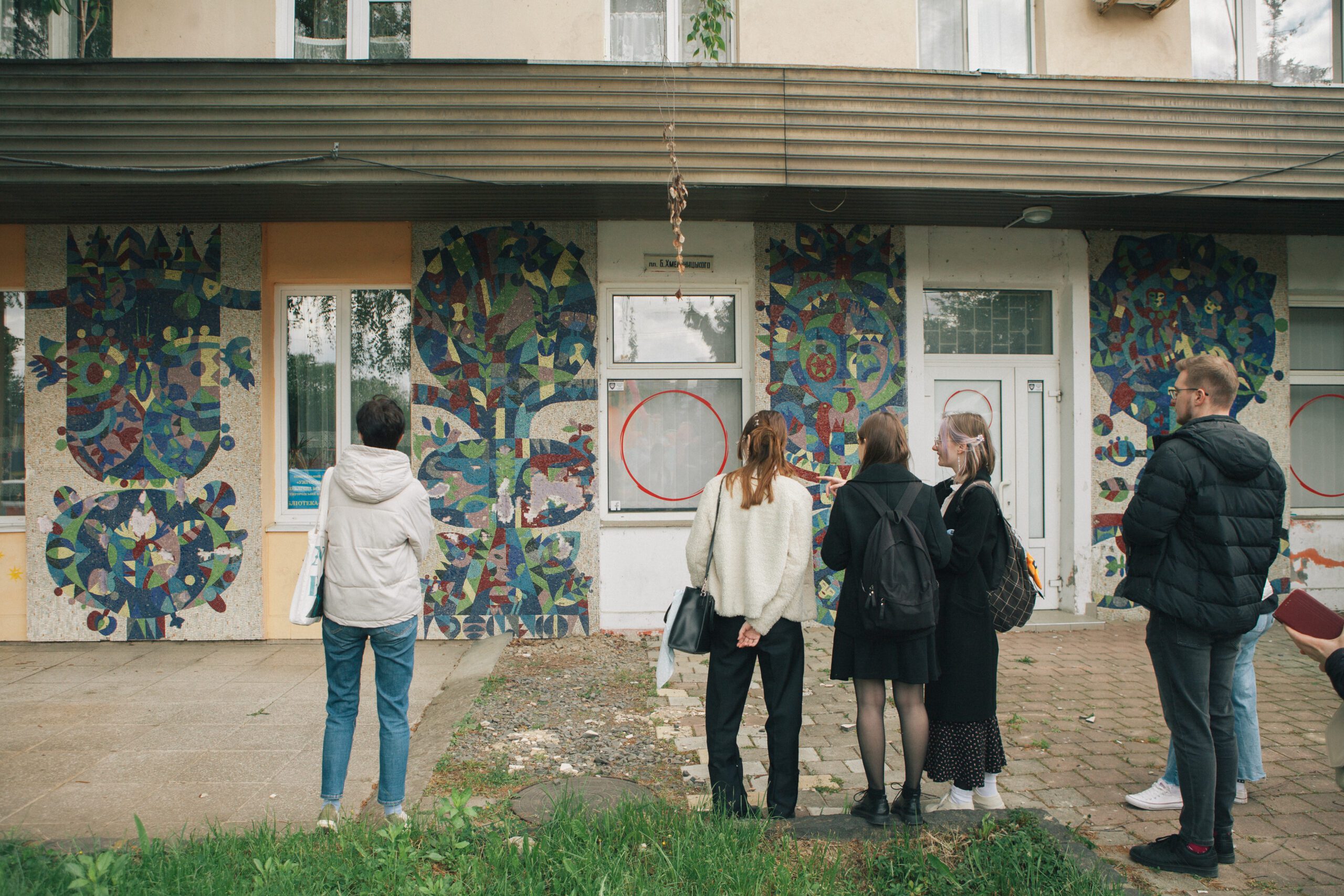
Children’s library “Fairytale”. Presented are 6 mosaic panels “Tales of Transcarpathia” by Tereziya Chuvalova, 1984. Photo credit Maryna Malyutina
Padiyun Palace. Decorative chandeliers, authors, implementation: Andriy Bokotey, Ferenc Erfan, Mykola Almazov, 1986. Wall painting by Nadiya Kyrylova, Petro Gulyn, 1986. Authors of interior design PaDiUn (in the past – the Palace of Pioneers) design and artistic decoration: Kalman Stychleitner and Pavlo Kerestey, (projects of decorative lighting, painting, stained glass windows, etc., incl). Photo credit Mykhailo Melnychenko
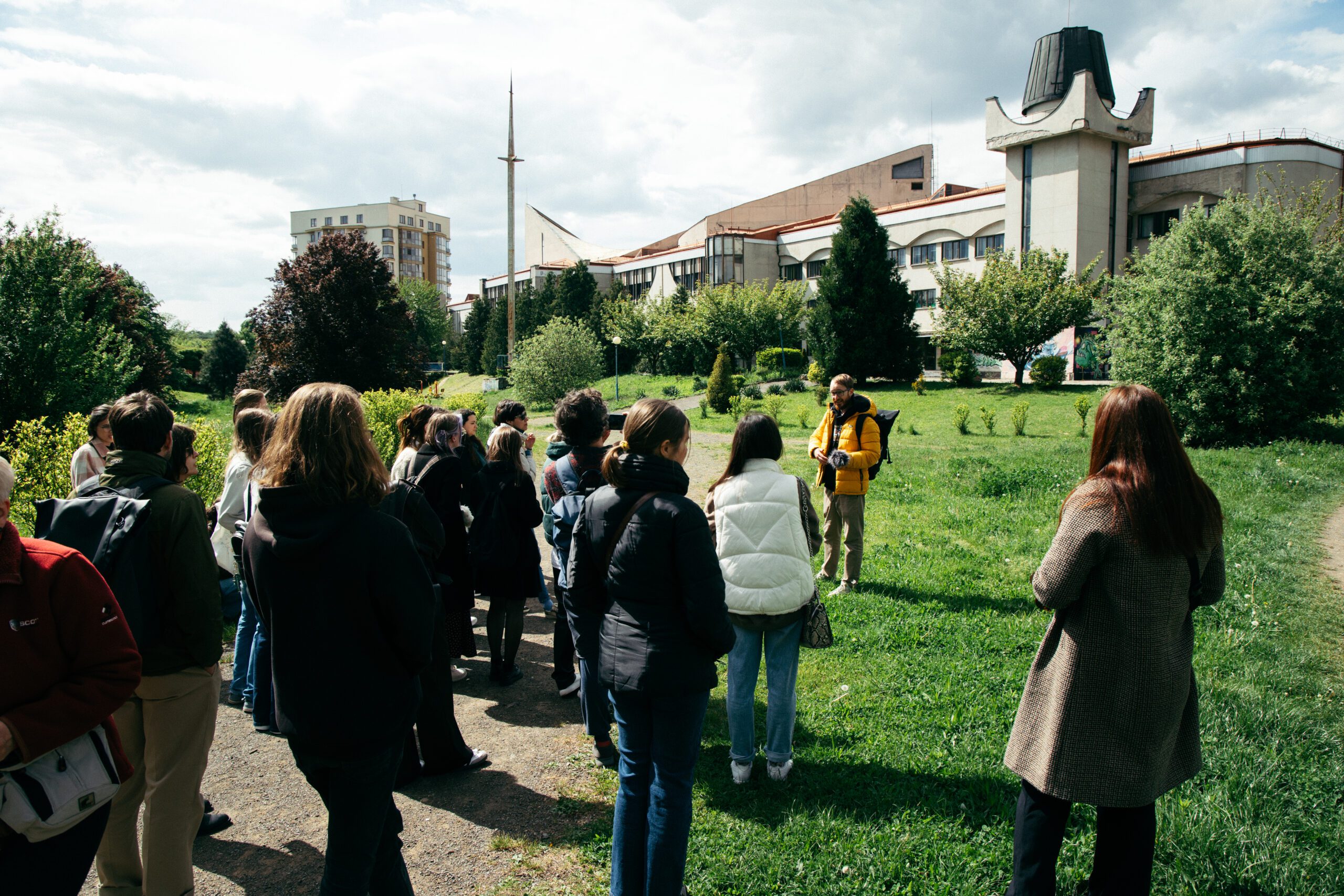
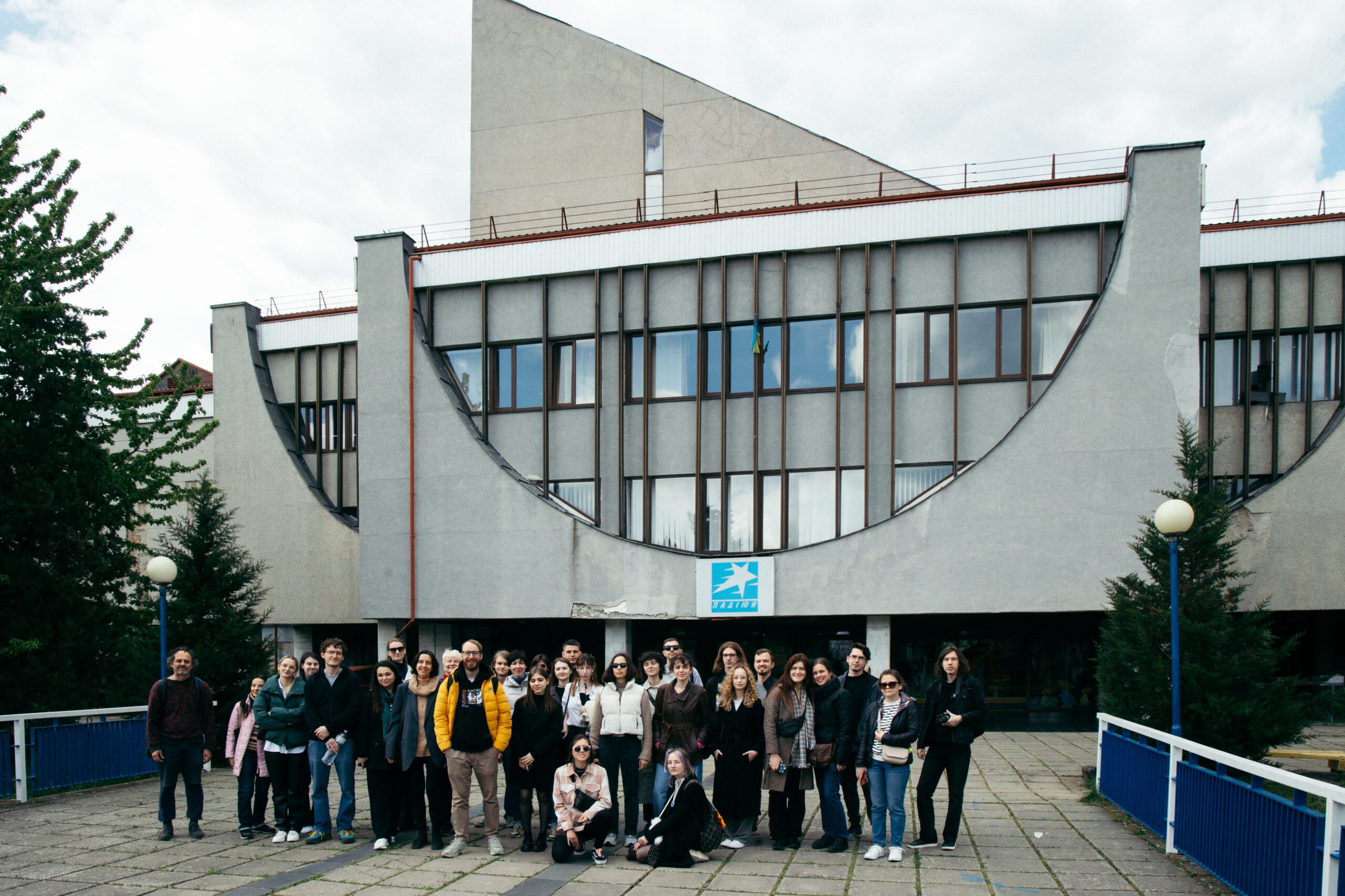
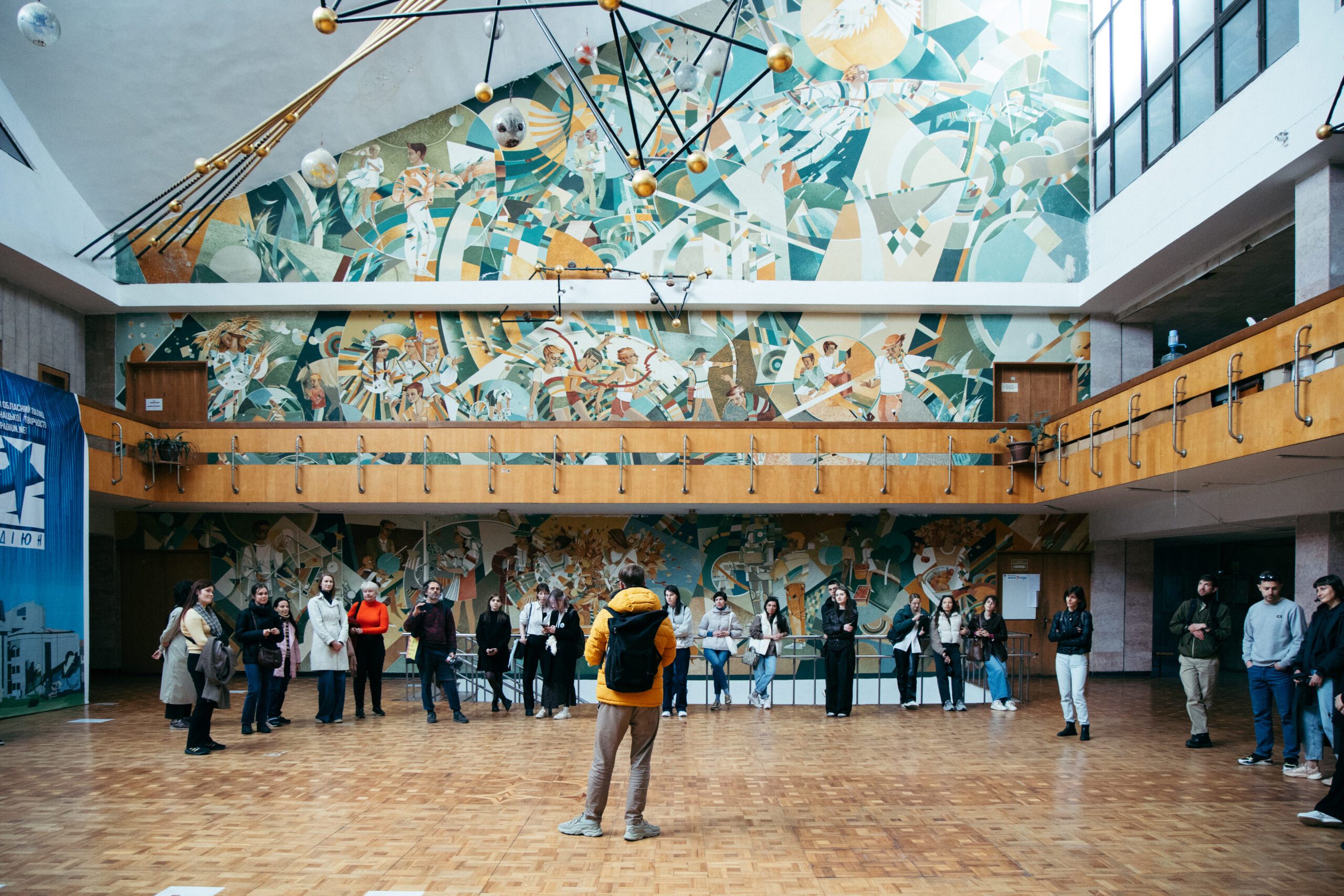
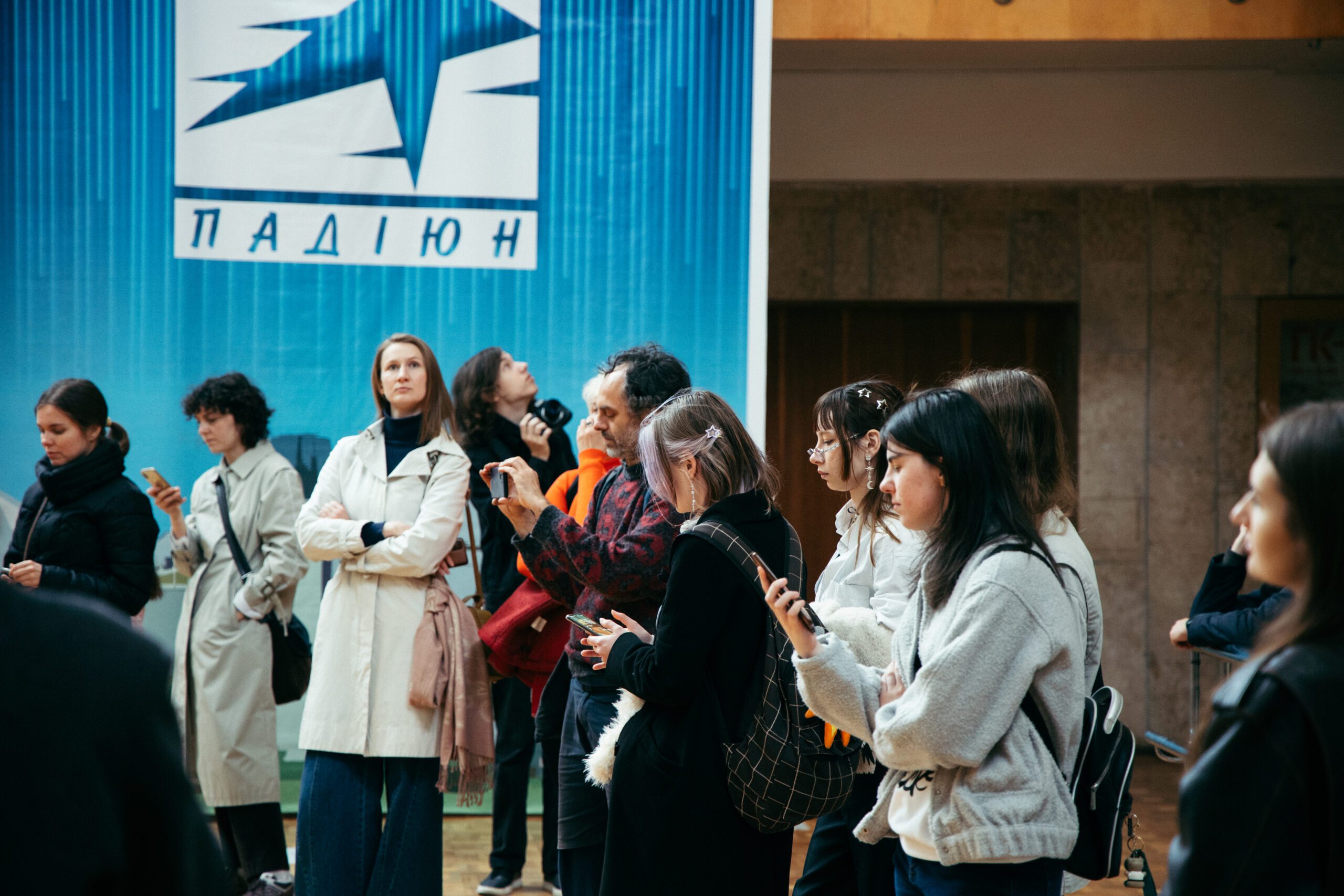
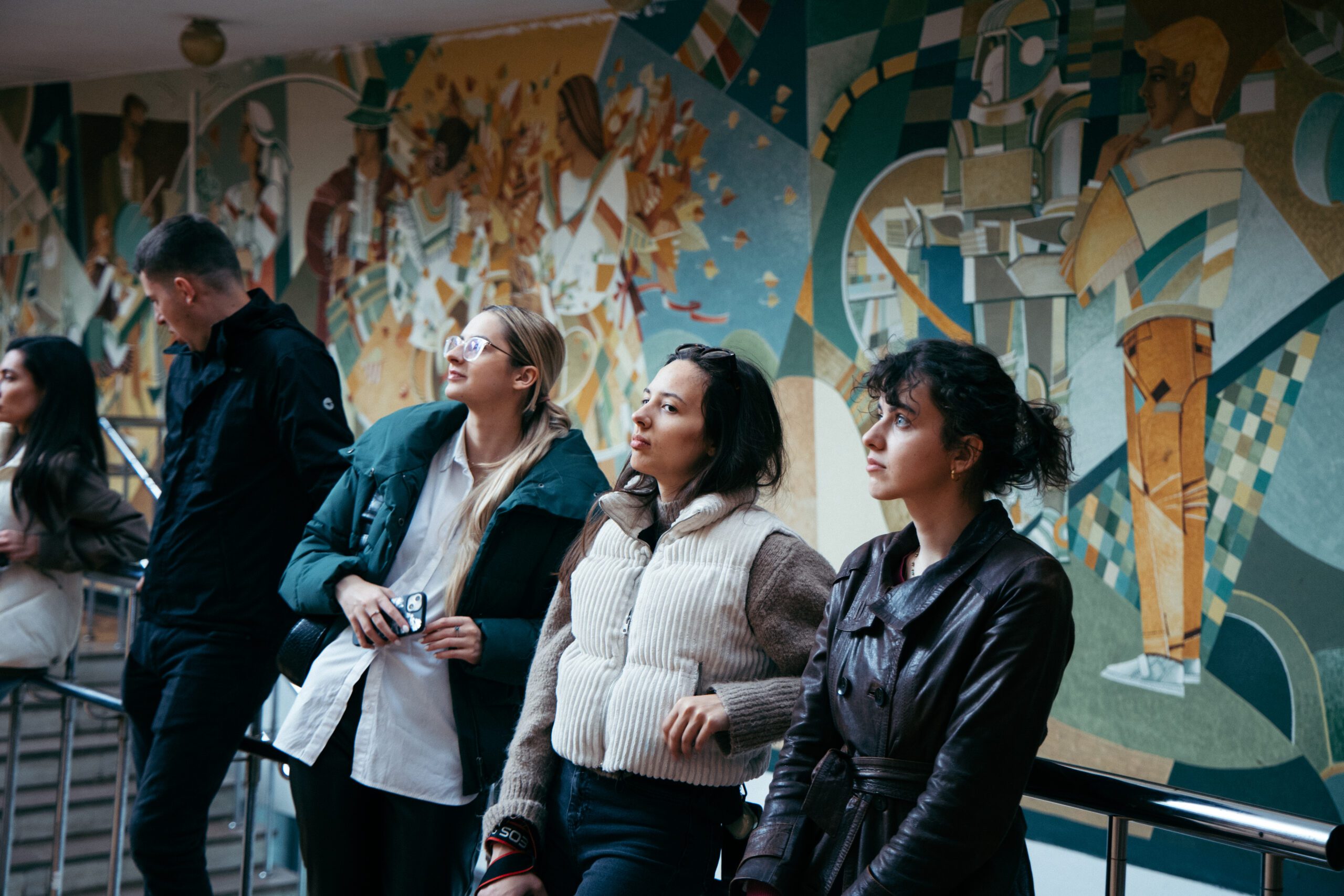
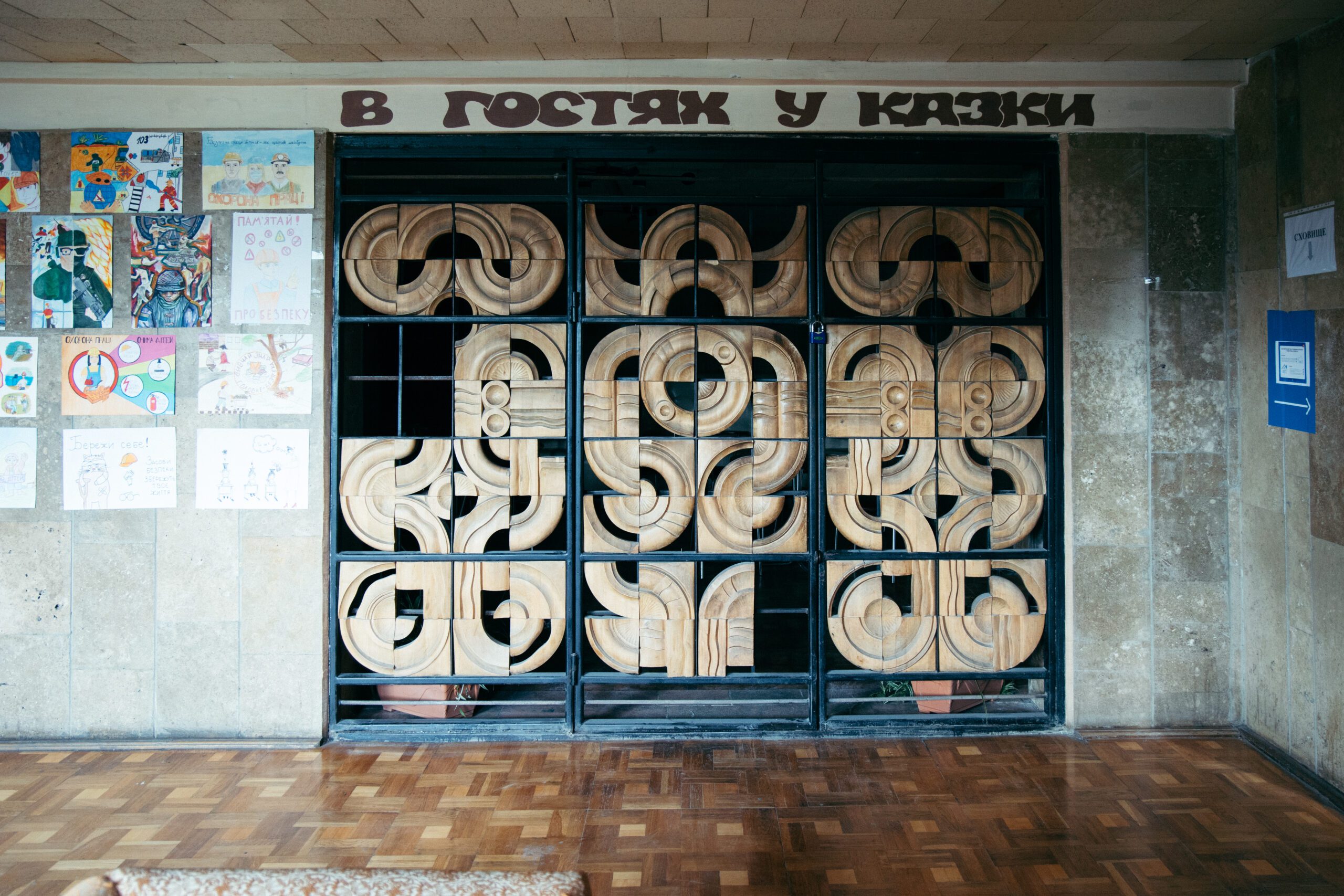
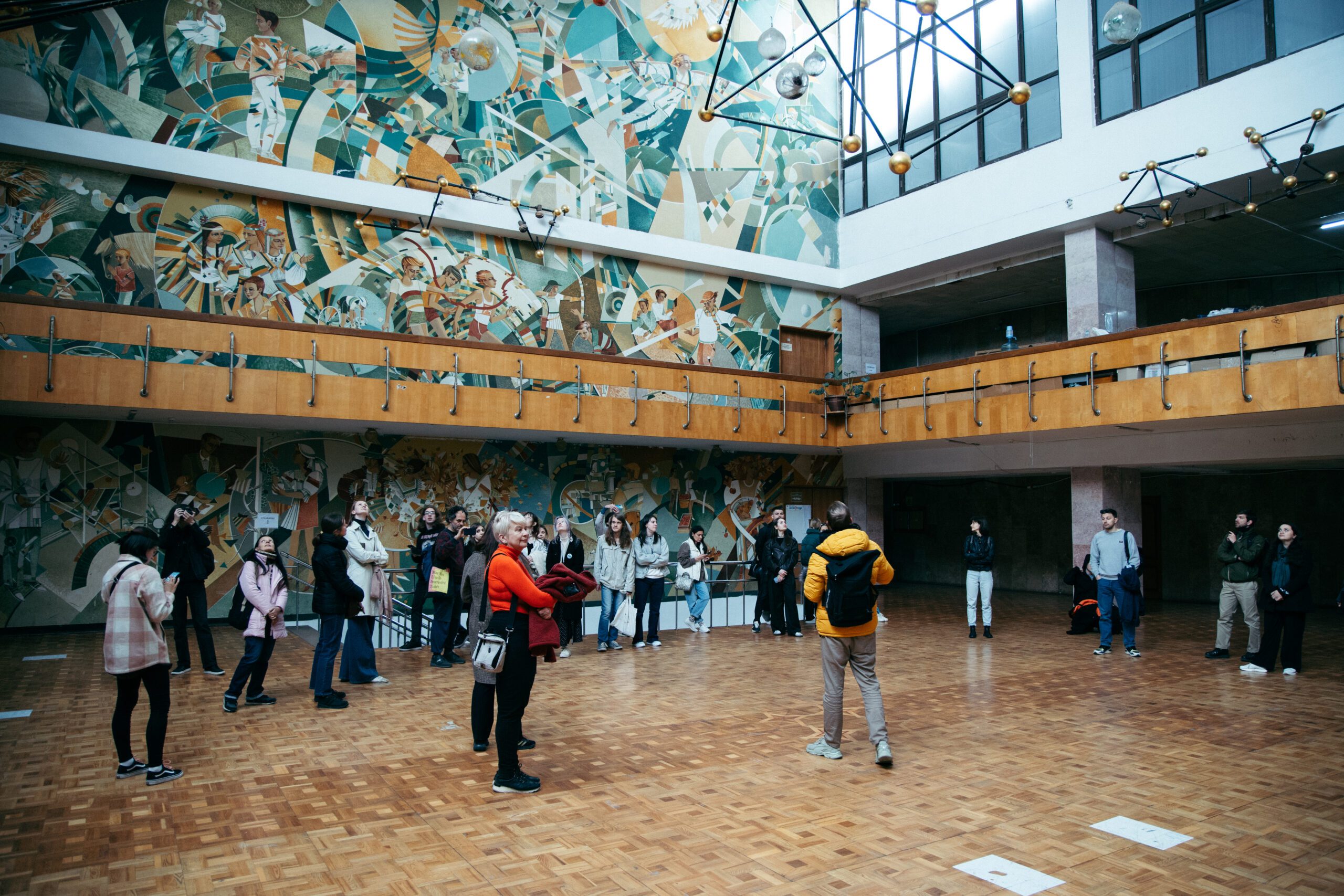
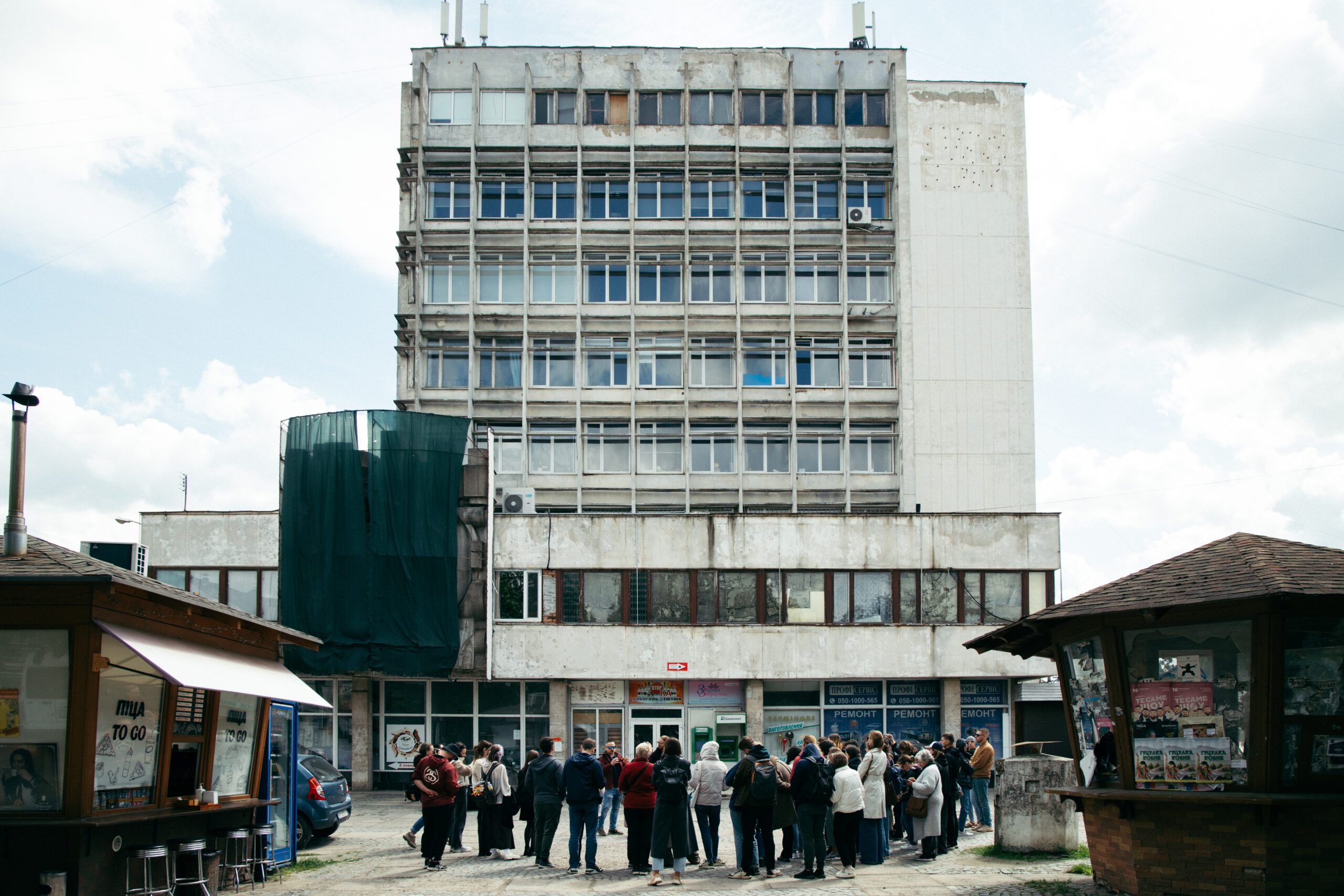
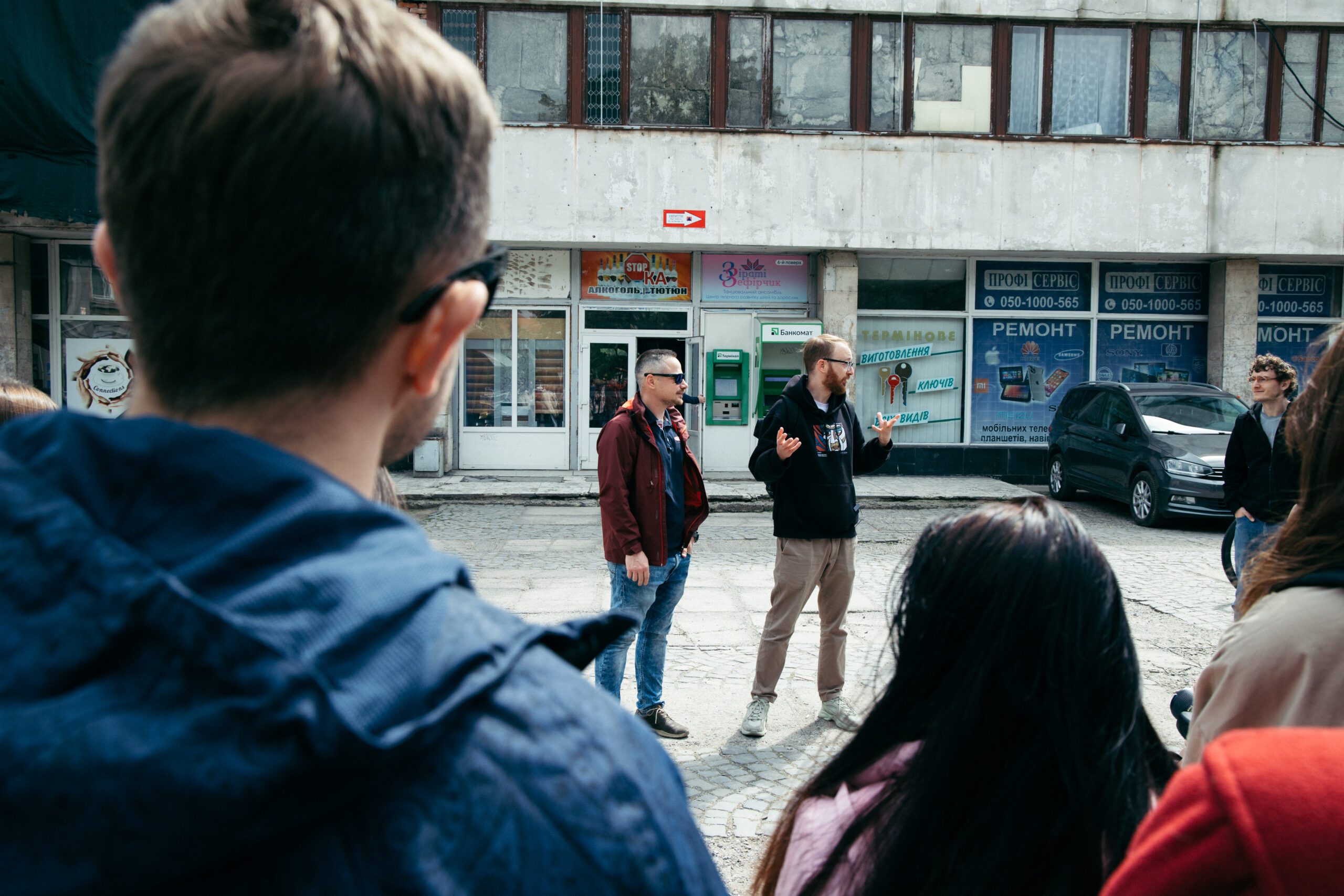
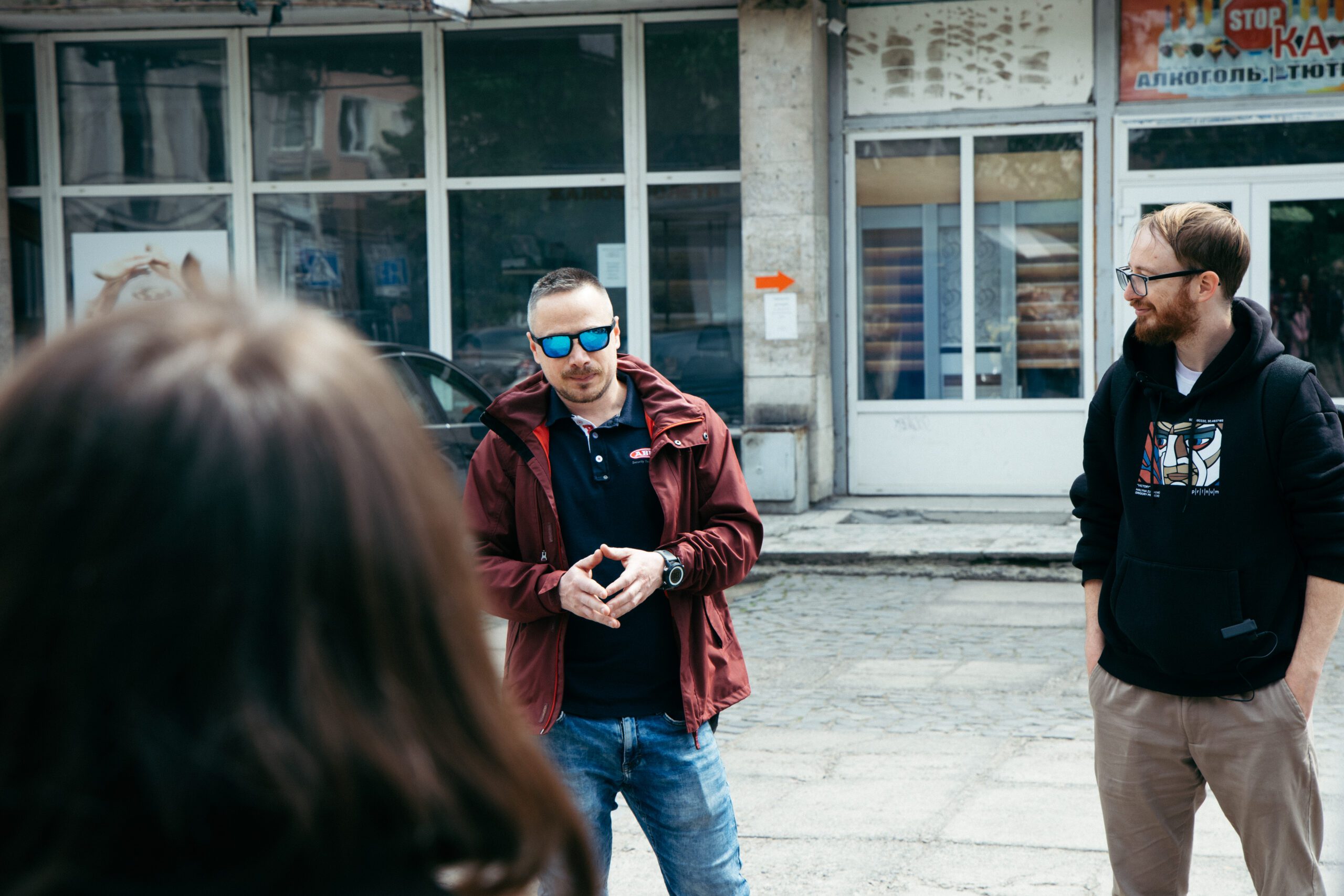
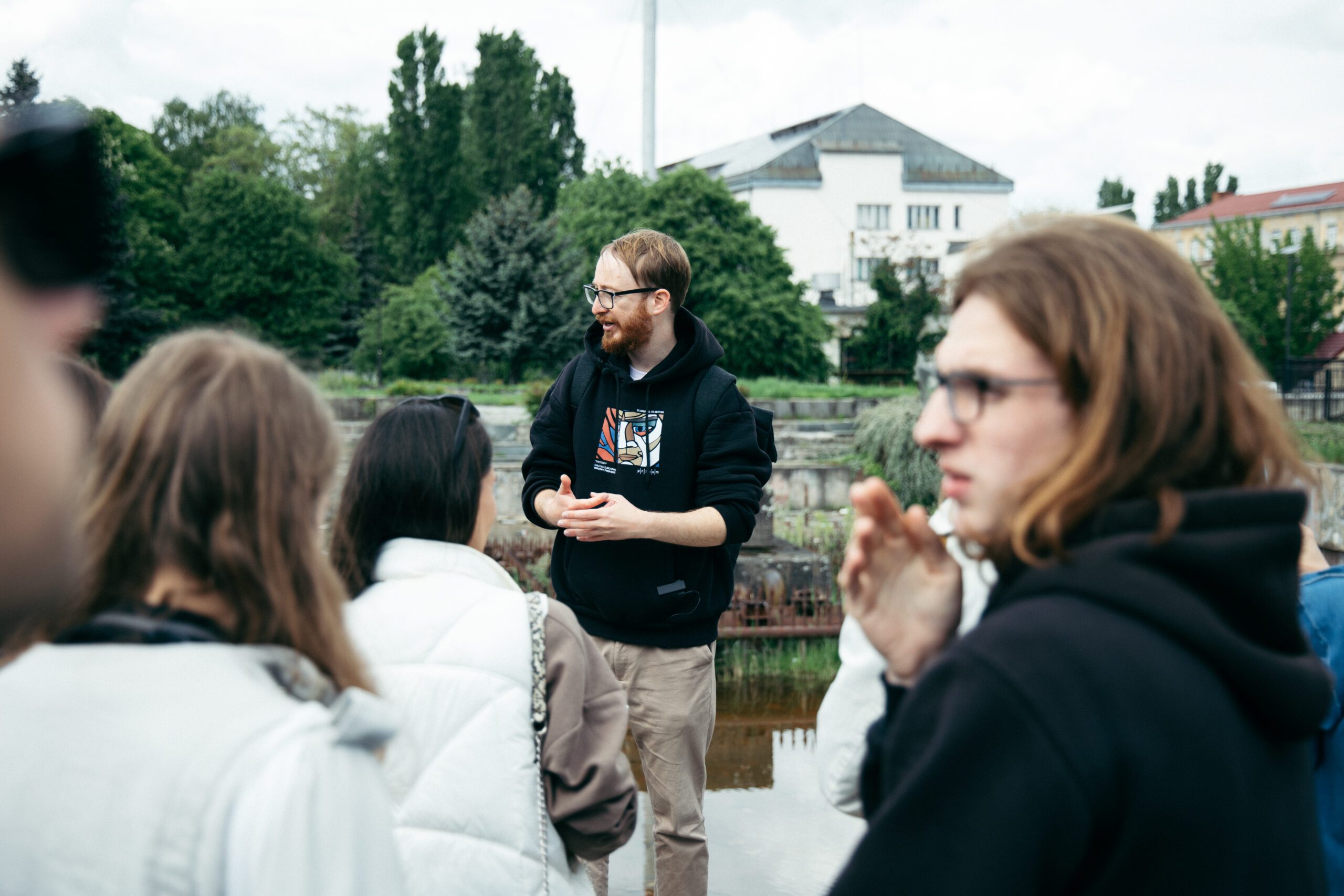
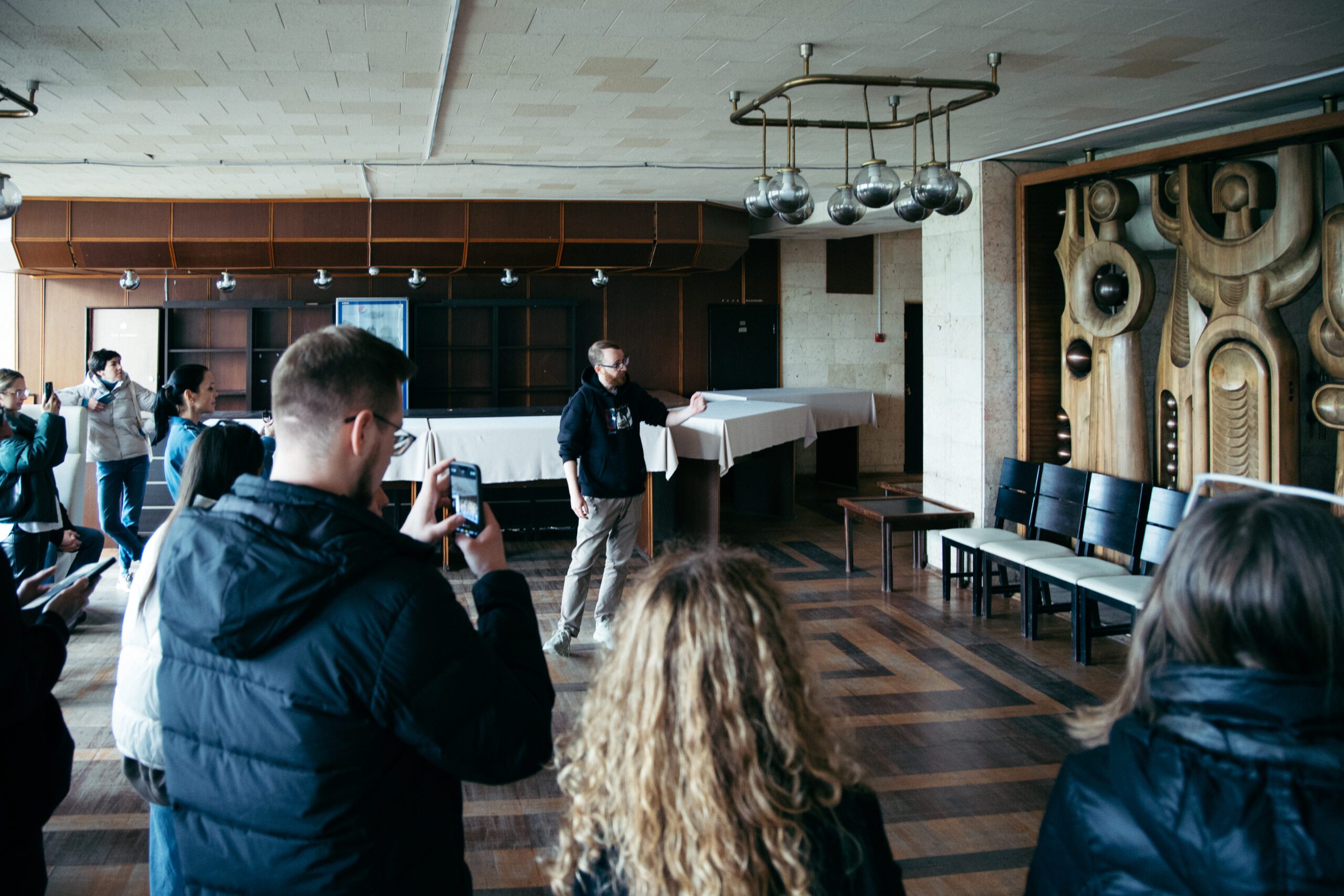
Record of the excursion – performative presentation of Dmytro Soloviov “Modernism of Uzhhorod – An Inconvenient Heritage”. In his presentation, Dmytro Soloviov presented his research of Uzhhorod modernism of the second half of the 20th century. Video credit Petro Ryaska